 English
 日本
 한국인
 Français
 Deutsch
 español
 Italiano
 Portugal
 Việt Nam
 türkiye
 عرب
 Русский
 čeština
 แบบไทย
 Eesti
 Gaeilge
 Hmoob
 íslenskur
 Cymraeg
 български
 اردو
 Polski
 Hrvatski
 українська
 bosanski
 فارسی
 lietuvių
 latviski
 עִברִית
 Română
 Ελληνικά
 dansk
 Magyar
 norsk
 Suomalainen
 Nederlands
 svenska
 slovenský
 Slovenščina
 हिंदी
 Indonesia
 Melayu
 Malti
 Kreyòl ayisyen
 català
 বাংলা
 Српски
 o'zbek


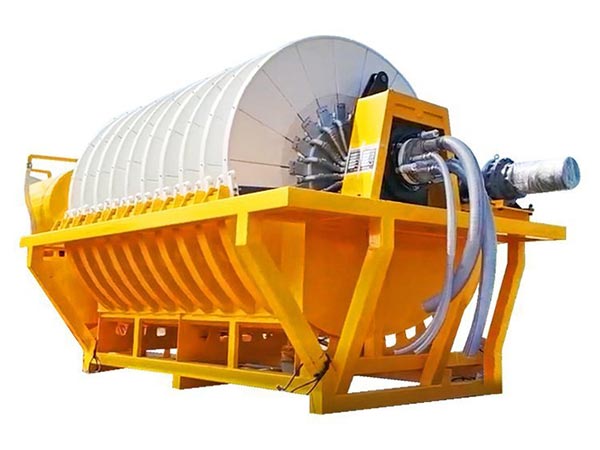
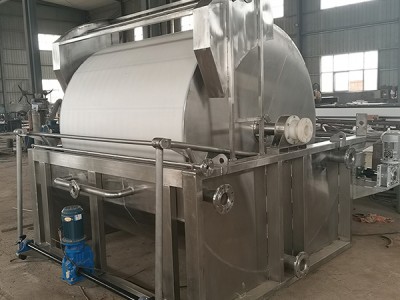
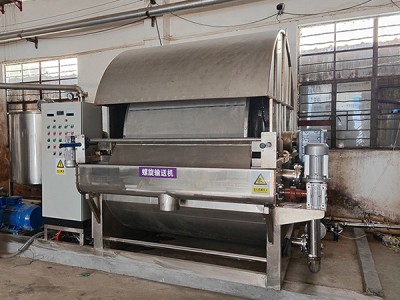
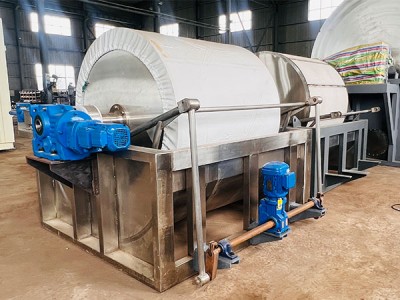
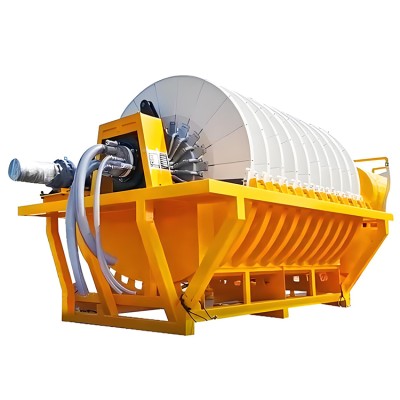
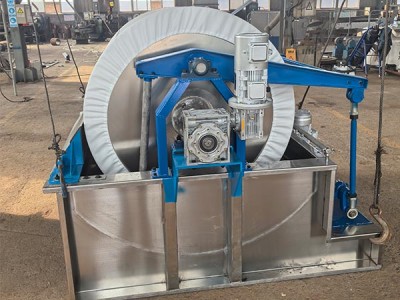
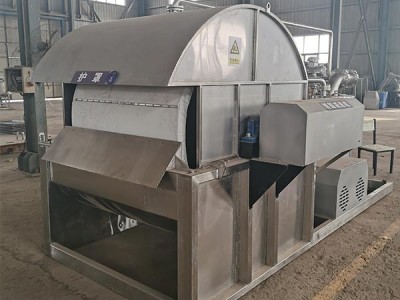
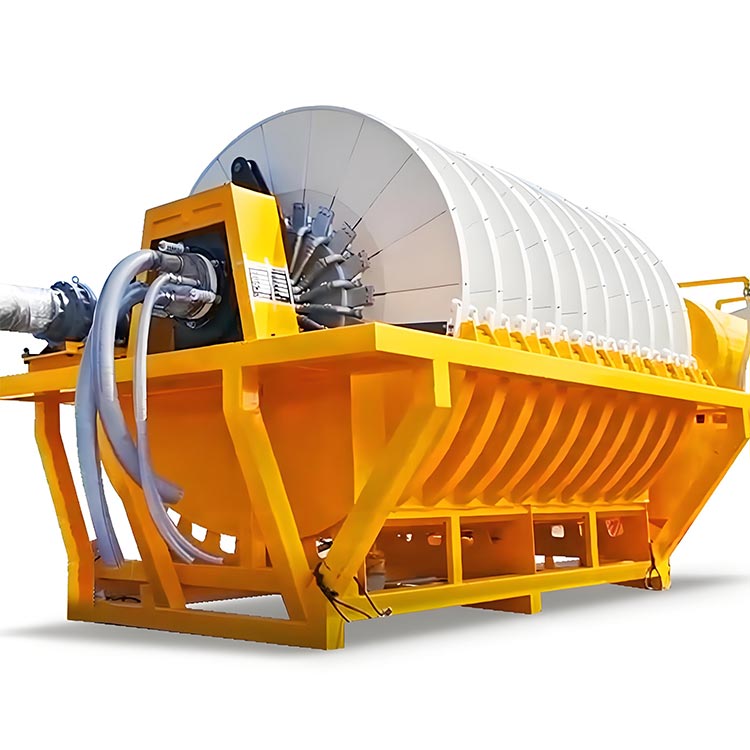
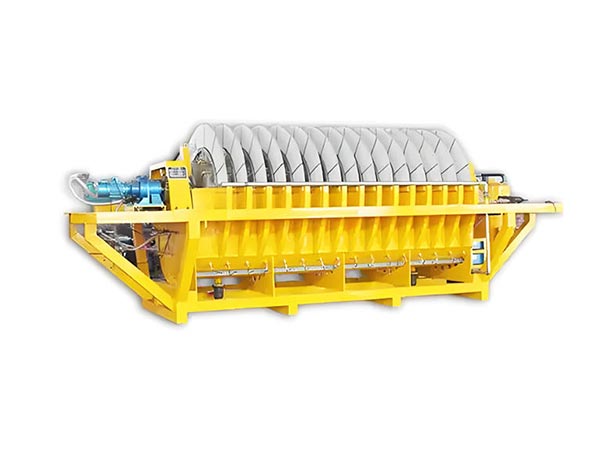
Ceramic vacuum disc filter
In mineral processing, concentrate dewatering is not an isolated equipment operation but a critical stage connecting slurry treatment, concentrate storage and transportation, and subsequent production processes. The actual performance of filtration equipment depends not only on its processing capacity but also on upstream slurry conditions, conveying methods, on-site pipeline layout, and downstream material receiving requirements.
Ceramic vacuum disc filters are primarily used for solid-liquid separation of suitable materials. For mineral processing plants operating continuously, properly coordinating the equipment with upstream and downstream processes helps reduce production bottlenecks caused by mismatched operating rates and improve the operational stability of the entire dewatering process.
一、Upstream Slurry Conditions Determine the Operating Basis for Filtration
Before entering the filtration equipment, the slurry typically undergoes crushing, grinding, classification, and flotation. These processes determine the properties of the solid particles, the liquid-to-solid ratio, and the particle size distribution, all of which directly affect filtration performance.
When the feed flow rate is stable, fluctuations in the slurry concentration entering the filtration equipment will also affect the amount of solids processed by the filtration system per unit of time. At low concentrations, the equipment may need to process more liquid to recover the same amount of solids. At excessively high concentrations, slurry flowability decreases, potentially leading to uneven distribution and localized material buildup.
Coarse and fine particles in the slurry behave differently during settling, accumulation, and filter cake formation. Changes in particle composition may cause fluctuations in filter cake structure, liquid flow resistance, and final moisture content.
Stable feeding is essential for continuous filtration. If the slurry is concentrated in a specific area, it may cause localized buildup, uneven filtration loads, or inadequate mixing.
二. How Should a Ceramic Vacuum Disc Filter Be Integrated with Downstream Processes?
If the filter continuously produces filter cake but the conveying equipment or discharge facilities cannot handle the output, material may accumulate in the discharge area, disrupting continuous production. When planning the equipment, the capacity of the conveying system should be calculated based on the expected solids throughput, filter cake characteristics, and downstream conveying method. For plants with fluctuating production rates, the need for adequate buffer storage should also be evaluated.
Different concentrates have different transportation and processing requirements. Some materials can be transferred directly once process requirements are met, while others require further drying, mixing, or processing in smelting operations.
Therefore, when establishing filtration process requirements, companies should define the target filter cake moisture content range, the material condition after discharge, and the moisture limits imposed by downstream processes. If downstream operations have strict moisture content requirements, actual tests should be conducted to verify whether the filtration stage can achieve the target, rather than relying solely on the equipment name or theoretical specifications.
The method of filtrate collection also affects the overall process. An improperly designed filtrate piping system may result in poor drainage, localized liquid accumulation, or fluctuations in the load on downstream treatment systems.
For production lines that plan to reuse the filtrate, provisions should also be made for the necessary collection, monitoring, and conveying stages to establish a clearly defined process connection between the filtration equipment and the water treatment system.
三、 Equipment Layout Should Consider More Than Just Floor Space
Whether the feed piping allows convenient flow control and management of sediment buildup;
Whether adequate space is available for the filtrate, vacuum, and backwashing pipelines;
Whether the discharge area can be conveniently connected to conveying equipment;
Whether sufficient space is provided around the equipment for maintenance and component replacement;
Whether the electrical controls, instrumentation, and on-site operating stations are conveniently accessible and manageable.
Although these aspects may appear to be minor installation details, they directly affect operational convenience after the equipment is commissioned.
四、Assess Process Coordination Through Production Data
After the equipment is commissioned, key indicators such as slurry flow rate, feed concentration, concentrate output, filter cake moisture content, and operating time can be analyzed together.
For example, if the feed rate remains relatively stable but the filter cake moisture content continues to rise, operators should check slurry characteristics, filtration conditions, and equipment operating status rather than immediately concluding that the filter lacks sufficient processing capacity.
If the filter itself is operating normally but the volume of concentrate transported off-site decreases, the discharge, conveying, and storage stages should also be investigated. Analyzing problems across the entire production process generally makes it easier to identify their causes than examining individual equipment in isolation.
In addition, companies can maintain shift logs to compare production data under different slurry conditions and provide a basis for subsequent process adjustments.