 English
 日本
日本 한국인
한국인 Français
 Deutsch
 español
 Italiano
 Portugal
 Việt Nam
 türkiye
 عرب
عرب Русский
 čeština
 แบบไทย
 Eesti
Eesti Gaeilge
 Hmoob
Hmoob íslenskur
 Cymraeg
 български
 اردو
اردو Polski
 Hrvatski
 українська
 bosanski
 فارسی
فارسی lietuvių
 latviski
 עִברִית
 Română
 Ελληνικά
 dansk
dansk Magyar
 norsk
norsk Suomalainen
 Nederlands
 svenska
 slovenský
 Slovenščina
 हिंदी
हिंदी Indonesia
 Melayu
 Malti
Malti Kreyòl ayisyen
 català
 বাংলা
বাংলা Српски
 o'zbek

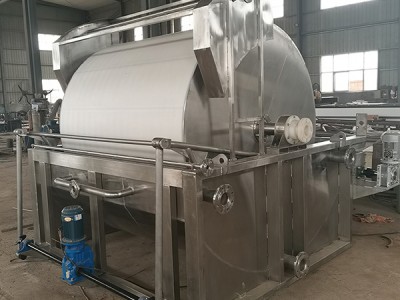
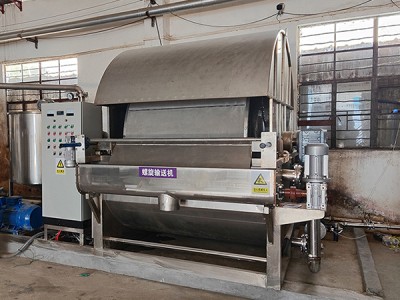
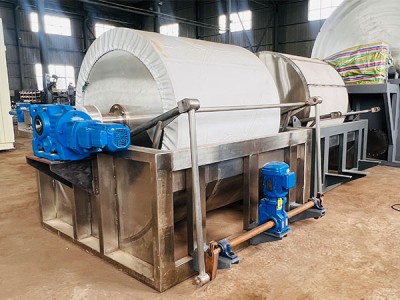
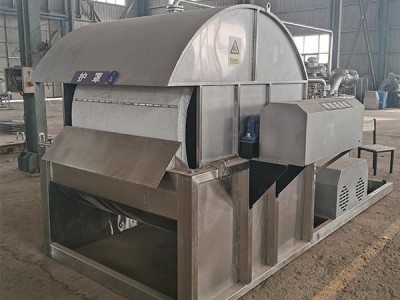
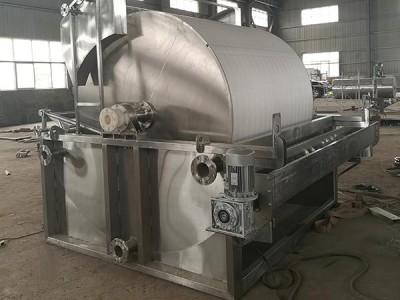
Rotary drum vacuum filters are core equipment for solid-liquid separation in industries such as chemical processing, mining, metallurgy, environmental wastewater treatment, and light industrial slurry processing. They mainly rely on stable vacuum pressure to complete the entire process of suction, filtration, dewatering, and cake discharge. During operation, the vacuum level is a critical parameter that determines filtration efficiency, filter cake moisture content, and the overall operating stability of the equipment. Many companies encounter the issue of a sudden drop in vacuum level during the operation of rotary drum vacuum filters. This problem can directly lead to insufficient filter cake dewatering, reduced filtration capacity, material carryover or mixing, and abnormal equipment conditions, affecting the normal operation of the entire production line. To help users quickly identify faults and resolve issues, this article provides a systematic analysis of the causes of sudden vacuum loss in rotary drum vacuum filters, along with corresponding troubleshooting methods and solutions, meeting the requirements of daily equipment maintenance and fault diagnosis.
1. Air Leakage in the Vacuum Piping System: A Common Cause of Sudden Vacuum Los
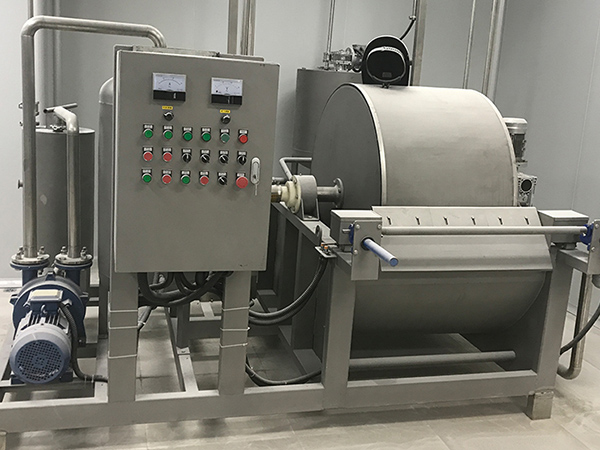
The vacuum system of a rotary drum vacuum filter adopts a sealed suction structure. Leakage in pipelines and sealing points is the most common cause of sudden vacuum loss and is also one of the most frequently encountered issues during routine inspections. Long-term equipment vibration and fluctuations in operating temperature can cause pipeline connections to loosen and sealing components to age, allowing external air to enter the system and disrupting the negative pressure condition.
Common leakage points include:
Common leakage points include:
vacuum pipe flanges, pipeline weld joints, valve sealing surfaces, rubber hoses, and gas-liquid separator connections.
Improper maintenance or assembly, such as misaligned gaskets or insufficiently tightened bolts, can also cause continuous air ingress. This typically results in a rapid decrease in vacuum level and difficulty maintaining stable vacuum pressure.
Troubleshooting and solutions:
Leakage points can be identified using detection methods such as soapy water testing or a negative pressure leak detector. Priority should be given to tightening loose flanges and bolts, and replacing aged, deformed, or damaged sealing gaskets and O-rings. Cracked vacuum hoses and damaged pipelines should be repaired or replaced to ensure proper sealing of the entire vacuum piping system. In most cases, these measures can quickly restore the equipment to its rated vacuum level.
Improper maintenance or assembly, such as misaligned gaskets or insufficiently tightened bolts, can also cause continuous air ingress. This typically results in a rapid decrease in vacuum level and difficulty maintaining stable vacuum pressure.
Troubleshooting and solutions:
Leakage points can be identified using detection methods such as soapy water testing or a negative pressure leak detector. Priority should be given to tightening loose flanges and bolts, and replacing aged, deformed, or damaged sealing gaskets and O-rings. Cracked vacuum hoses and damaged pipelines should be repaired or replaced to ensure proper sealing of the entire vacuum piping system. In most cases, these measures can quickly restore the equipment to its rated vacuum level.
2. Abnormal Filter Cloth Clogging or Damage: Disrupting the Vacuum Pressure Balance
The filter cloth is the core filtration medium of a rotary drum vacuum filter, and its operating condition directly affects the stable transmission of vacuum pressure. During operation, filter cloth clogging, damage, or loosening can all cause a sudden drop in vacuum level.
On the one hand, fine particles in the material continuously accumulate within the pores of the filter cloth. If the filter cloth is not cleaned and unclogged in time, it can become hardened and blocked, resulting in a significant reduction in air permeability. As a result, the vacuum pressure cannot effectively draw and hold the material, causing symptoms such as low vacuum level and increased filtration resistance.
On the other hand, long-term abrasion caused by material flow can wear down the filter cloth. When local tearing or seam separation occurs, air leakage channels may form, causing the internal vacuum pressure of the drum to escape directly. This prevents the formation of effective suction pressure and leads to sudden vacuum loss and filtration failure.
In addition, loose installation, misalignment, or poor contact between the filter cloth and the drum surface can also compromise the vacuum sealing conditions.
Troubleshooting and solutions:
Stop the equipment and inspect the appearance and operating condition of the filter cloth. Select appropriate cleaning methods, such as high-pressure water washing or chemical cleaning, according to the type of blockage to clear the filter cloth pores. For filter cloths with severe wear, tearing, or aging, replace them promptly with the same model and specifications. Re-align and tension the filter cloth to ensure a tight fit without deviation or looseness, thereby restoring filtration performance and vacuum transmission efficiency.
On the one hand, fine particles in the material continuously accumulate within the pores of the filter cloth. If the filter cloth is not cleaned and unclogged in time, it can become hardened and blocked, resulting in a significant reduction in air permeability. As a result, the vacuum pressure cannot effectively draw and hold the material, causing symptoms such as low vacuum level and increased filtration resistance.
On the other hand, long-term abrasion caused by material flow can wear down the filter cloth. When local tearing or seam separation occurs, air leakage channels may form, causing the internal vacuum pressure of the drum to escape directly. This prevents the formation of effective suction pressure and leads to sudden vacuum loss and filtration failure.
In addition, loose installation, misalignment, or poor contact between the filter cloth and the drum surface can also compromise the vacuum sealing conditions.
Troubleshooting and solutions:
Stop the equipment and inspect the appearance and operating condition of the filter cloth. Select appropriate cleaning methods, such as high-pressure water washing or chemical cleaning, according to the type of blockage to clear the filter cloth pores. For filter cloths with severe wear, tearing, or aging, replace them promptly with the same model and specifications. Re-align and tension the filter cloth to ensure a tight fit without deviation or looseness, thereby restoring filtration performance and vacuum transmission efficiency.
3. Abnormal Vacuum Pump Operating Conditions: Insufficient Vacuum Pressure Output
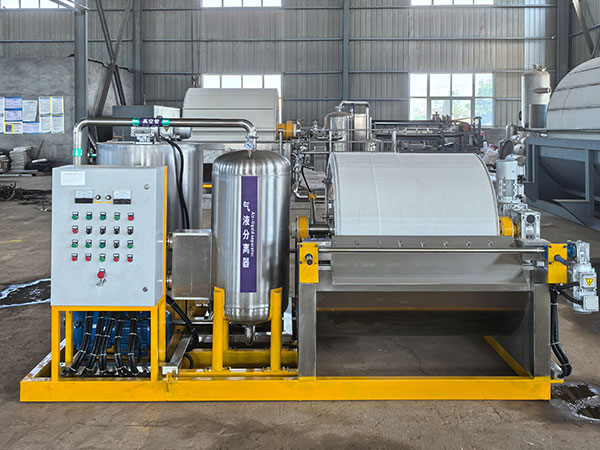
The vacuum pump is the core power source for generating vacuum pressure in a rotary drum vacuum filter. Any equipment failure or abnormal operating condition of the vacuum pump can directly cause a rapid decrease in vacuum level, making it unable to maintain the required vacuum pressure for production. Common issues include mechanical damage to the pump body, abnormal operating medium parameters, and blocked exhaust passages.
For water-ring vacuum pumps, high operating water temperature, insufficient water supply, and poor water quality causing scaling and deposits can reduce the pumping efficiency and lead to vacuum pressure loss. For oil-sealed vacuum pumps, low oil level, emulsified or deteriorated oil, and clogged filters can damage the internal sealing performance of the pump and reduce pumping capacity.
In addition, wear and aging of internal components such as vacuum pump impellers, rotors, and bearings, abnormal motor load, unstable rotation speed, or increased exhaust back pressure caused by a clogged exhaust filter can all weaken the vacuum generation capability, resulting in a sudden drop in vacuum level.
Troubleshooting and Solutions:
Monitor the vacuum pump’s water temperature, operating fluid level, and oil level during operation. Replace deteriorated lubricating oil in time and remove clogged contaminants from filters. Regularly disassemble and inspect internal pump components, and repair or replace worn parts when necessary. Remove scaling and deposits inside the pump body to ensure stable exhaust, water supply, and suction conditions, restoring the vacuum pump’s rated vacuum pressure output.
For water-ring vacuum pumps, high operating water temperature, insufficient water supply, and poor water quality causing scaling and deposits can reduce the pumping efficiency and lead to vacuum pressure loss. For oil-sealed vacuum pumps, low oil level, emulsified or deteriorated oil, and clogged filters can damage the internal sealing performance of the pump and reduce pumping capacity.
In addition, wear and aging of internal components such as vacuum pump impellers, rotors, and bearings, abnormal motor load, unstable rotation speed, or increased exhaust back pressure caused by a clogged exhaust filter can all weaken the vacuum generation capability, resulting in a sudden drop in vacuum level.
Troubleshooting and Solutions:
Monitor the vacuum pump’s water temperature, operating fluid level, and oil level during operation. Replace deteriorated lubricating oil in time and remove clogged contaminants from filters. Regularly disassemble and inspect internal pump components, and repair or replace worn parts when necessary. Remove scaling and deposits inside the pump body to ensure stable exhaust, water supply, and suction conditions, restoring the vacuum pump’s rated vacuum pressure output.
4. Distribution Head Seal Wear: Vacuum Leakage in the Core Chamber
The distribution head is a critical air distribution component of a rotary drum vacuum filter. It is responsible for accurately distributing vacuum and positive pressure to ensure the smooth transition between filtration and cake discharge processes. After long-term continuous operation, the dynamic and static sealing surfaces of the distribution head undergo continuous friction and wear, resulting in increased sealing gaps and poor contact. This can cause internal vacuum pressure crossover and leakage, making it a major factor contributing to sudden vacuum loss during the later stage of equipment operation.
Wear, carbonization, or deformation of the distribution head sealing rings, as well as grooves caused by surface erosion, scaling, or jamming on the contact surfaces, can lead to sealing failure of the vacuum chamber and continuous loss of vacuum pressure. In addition to reduced vacuum level, these issues may also cause related problems such as poor cake discharge and uneven distribution of filtration materials.
Troubleshooting and Solutions:
Regularly disassemble and inspect the sealing components of the distribution head, and remove scale and contaminants from the contact surfaces. Replace worn or aged sealing rings and sealing gaskets in a timely manner. Grind and repair uneven contact surfaces, and adjust the fitting clearance of the distribution head to ensure reliable sealing between the dynamic and static sealing surfaces, eliminating internal vacuum pressure leakage.
Wear, carbonization, or deformation of the distribution head sealing rings, as well as grooves caused by surface erosion, scaling, or jamming on the contact surfaces, can lead to sealing failure of the vacuum chamber and continuous loss of vacuum pressure. In addition to reduced vacuum level, these issues may also cause related problems such as poor cake discharge and uneven distribution of filtration materials.
Troubleshooting and Solutions:
Regularly disassemble and inspect the sealing components of the distribution head, and remove scale and contaminants from the contact surfaces. Replace worn or aged sealing rings and sealing gaskets in a timely manner. Grind and repair uneven contact surfaces, and adjust the fitting clearance of the distribution head to ensure reliable sealing between the dynamic and static sealing surfaces, eliminating internal vacuum pressure leakage.
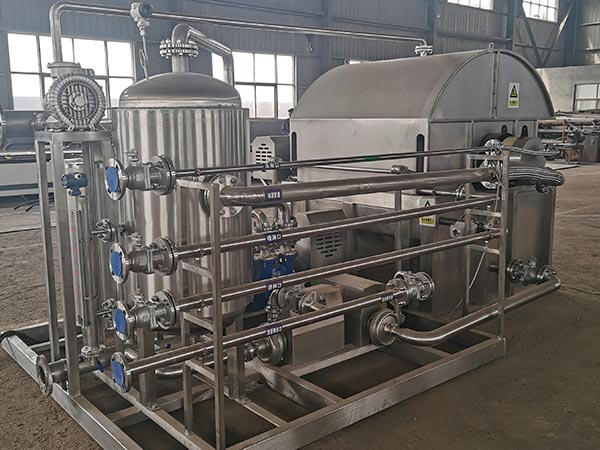
5. Abnormal Slurry Level Conditions: Failure to Establish an Effective Liquid Seal
The slurry level in the filter tank is a fundamental operating condition for maintaining stable vacuum pressure in a rotary drum vacuum filter. When the slurry level is too low, an effective liquid seal cannot be established. The effective immersion area of the drum in the slurry becomes insufficient, allowing a large amount of external air to enter the vacuum chamber, resulting in a sudden drop in vacuum level.
During production, unstable material feeding, sudden reduction in feed flow, or abnormal slurry return can cause the slurry level in the filter tank to decrease rapidly. This disrupts the liquid seal balance required for normal equipment operation, leading to vacuum fluctuations and sudden vacuum loss, accompanied by a significant reduction in filtration efficiency.
Troubleshooting and Solutions:
Adjust the parameters of the feeding system to stabilize the feed flow rate and maintain the slurry level in the filter tank within the rated operating range of the equipment. Check the feed pipelines, valves, and slurry return system for blockages or sticking issues, and clean or repair them promptly. Maintain a stable slurry level to establish a complete and reliable liquid seal condition and ensure continuous vacuum pressure balance.
During production, unstable material feeding, sudden reduction in feed flow, or abnormal slurry return can cause the slurry level in the filter tank to decrease rapidly. This disrupts the liquid seal balance required for normal equipment operation, leading to vacuum fluctuations and sudden vacuum loss, accompanied by a significant reduction in filtration efficiency.
Troubleshooting and Solutions:
Adjust the parameters of the feeding system to stabilize the feed flow rate and maintain the slurry level in the filter tank within the rated operating range of the equipment. Check the feed pipelines, valves, and slurry return system for blockages or sticking issues, and clean or repair them promptly. Maintain a stable slurry level to establish a complete and reliable liquid seal condition and ensure continuous vacuum pressure balance.
6. Gas-Liquid Separator Failure: Pressure Instability in the Vacuum Chamber
The gas-liquid separator performs the functions of gas-liquid separation, condensate discharge, and pressure stabilization, making it an important auxiliary component for the stable operation of the vacuum system. During operation, excessive liquid accumulation inside the separator, clogged drain valves, or failure of the automatic drainage device can cause water buildup, reducing the available volume of the vacuum chamber and obstructing gas flow, resulting in decreased vacuum level and pressure fluctuations.
In addition, poor sealing of the gas-liquid separator or air leakage at the connections can further aggravate vacuum leakage issues. Multiple factors combined may lead to abnormal vacuum fluctuations and interfere with normal filtration operation.
Troubleshooting and Solutions:
Regularly inspect the liquid level inside the gas-liquid separator and manually drain accumulated liquid when necessary. Inspect and clean the drain valve and automatic drainage mechanism to ensure smooth discharge. Check all sealing connections of the separator, tighten loose fittings, and replace damaged sealing components to eliminate potential air leakage risks and maintain stable vacuum system pressure.
In addition, poor sealing of the gas-liquid separator or air leakage at the connections can further aggravate vacuum leakage issues. Multiple factors combined may lead to abnormal vacuum fluctuations and interfere with normal filtration operation.
Troubleshooting and Solutions:
Regularly inspect the liquid level inside the gas-liquid separator and manually drain accumulated liquid when necessary. Inspect and clean the drain valve and automatic drainage mechanism to ensure smooth discharge. Check all sealing connections of the separator, tighten loose fittings, and replace damaged sealing components to eliminate potential air leakage risks and maintain stable vacuum system pressure.
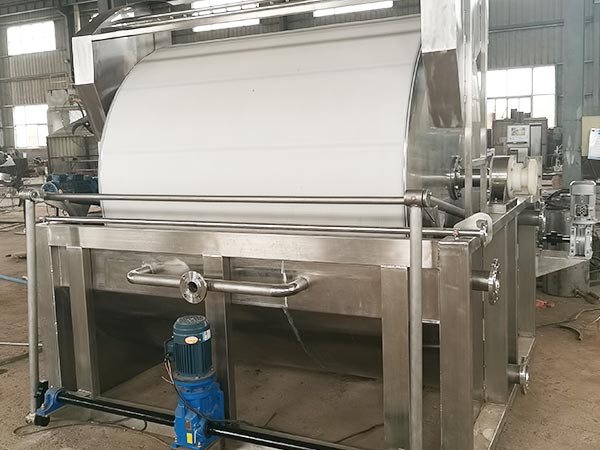
Quick Troubleshooting Sequence for Vacuum Loss in Rotary Drum Vacuum Filters:
To improve maintenance efficiency, when a sudden vacuum drop occurs during equipment operation, a standardized troubleshooting procedure can be followed:
1. Check whether the slurry level in the filter tank meets the required operating level.
2. Inspect the vacuum piping, sealing components, and gas-liquid separator for air leakage.
3. Check the filter cloth for clogging or damage.
4. Inspect the operating condition of the vacuum pump, including oil condition, water temperature, and filter element status.
5. Check the distribution head for sealing wear and damage, locating the root cause of the failure quickly from external components to internal components.
1. Check whether the slurry level in the filter tank meets the required operating level.
2. Inspect the vacuum piping, sealing components, and gas-liquid separator for air leakage.
3. Check the filter cloth for clogging or damage.
4. Inspect the operating condition of the vacuum pump, including oil condition, water temperature, and filter element status.
5. Check the distribution head for sealing wear and damage, locating the root cause of the failure quickly from external components to internal components.
Conclusion:
During the operation of a rotary drum vacuum filter, sudden vacuum loss is mainly caused by six key factors: air leakage from piping and sealing components, abnormal filter cloth conditions, vacuum pump operating issues, distribution head seal wear, unstable slurry levels, and gas-liquid separator failures.
Most of these failures are caused by insufficient routine maintenance, aging components, fluctuating operating conditions, or improper operation. By regularly inspecting sealing components, cleaning and maintaining the filter cloth, performing scheduled vacuum pump maintenance, and stabilizing feeding conditions, abnormal vacuum issues can be effectively prevented. This helps ensure stable vacuum pressure, continuous and reliable filtration performance, and reduced downtime losses across the production line.
Most of these failures are caused by insufficient routine maintenance, aging components, fluctuating operating conditions, or improper operation. By regularly inspecting sealing components, cleaning and maintaining the filter cloth, performing scheduled vacuum pump maintenance, and stabilizing feeding conditions, abnormal vacuum issues can be effectively prevented. This helps ensure stable vacuum pressure, continuous and reliable filtration performance, and reduced downtime losses across the production line.