 English
 日本
日本 한국인
한국인 Français
 Deutsch
 español
 Italiano
 Portugal
 Việt Nam
 türkiye
 عرب
عرب Русский
 čeština
 แบบไทย
 Eesti
Eesti Gaeilge
 Hmoob
Hmoob íslenskur
 Cymraeg
 български
 اردو
اردو Polski
 Hrvatski
 українська
 bosanski
 فارسی
فارسی lietuvių
 latviski
 עִברִית
 Română
 Ελληνικά
 dansk
dansk Magyar
 norsk
norsk Suomalainen
 Nederlands
 svenska
 slovenský
 Slovenščina
 हिंदी
हिंदी Indonesia
 Melayu
 Malti
Malti Kreyòl ayisyen
 català
 বাংলা
বাংলা Српски
 o'zbek

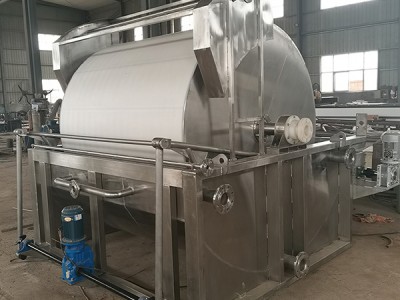
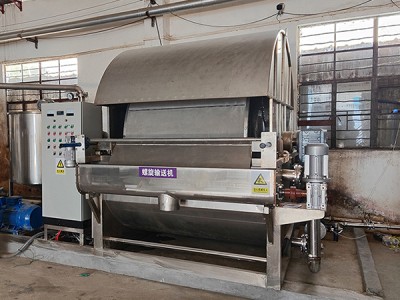
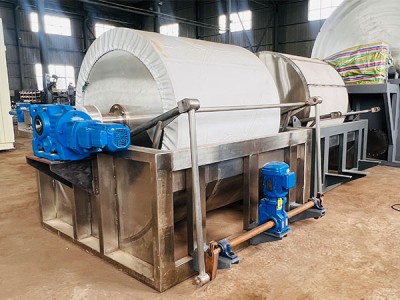
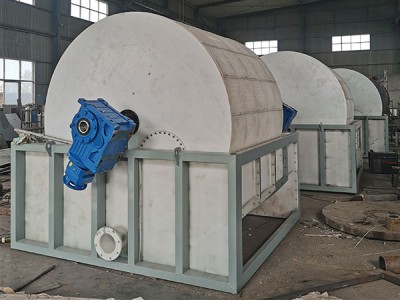
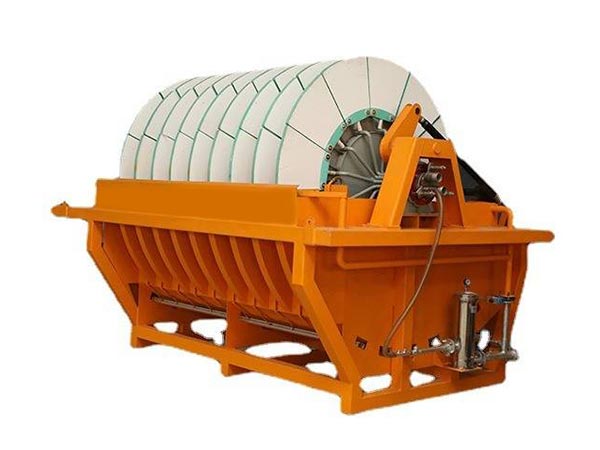
Vacuum ceramic filter presses are solid-liquid separation equipment designed based on the principle of vacuum negative pressure. They are widely used in mining, chemical, environmental protection, and other industries, primarily serving to efficiently separate and purify solid particles and impurities from liquids. In practical applications, filtration efficiency stands as one of the most critical metrics for users, directly impacting product quality, production efficiency, and the smooth progression of subsequent processes. As a key operational parameter, filtration velocity maintains a close and complex relationship with filtration efficiency. Properly managing this relationship is essential for optimizing production workflows. Therefore, this paper focuses on analyzing the intrinsic connection between the filtration performance and filtration velocity of vacuum ceramic filters, providing reference for parameter adjustments in actual production.
There exists a certain relationship between the filtration efficiency and filtration rate of vacuum ceramic filters.
1. Filtration Effectiveness
Filtration effectiveness primarily refers to the purity of the filtered liquid and the degree of solid particle removal. Ceramic disc vacuum filters utilize vacuum-generated negative pressure to drive liquid through the filter media, thereby removing solid particles, impurities, and fine particles from the liquid. This process enhances product quality and purity.
2. Filtration Rate
The filtration rate refers to the flow velocity of liquid through the filter media. It is influenced by multiple factors, including the performance of the filter media, the strength of the vacuum, and the concentration and size of solid particles in the liquid.
3. Relationship Analysis
· Generally, a positive correlation exists between filtration efficiency and filtration velocity. Within appropriate limits, increasing filtration velocity accelerates the passage of solid particles through the filter media, thereby enhancing filtration efficiency.
· However, excessively high filtration velocities may prevent adequate capture of solid particles by the filter media, reducing filtration efficiency. Therefore, filtration velocity must be reasonably controlled to ensure optimal filtration performance.
· Additionally, the selection of filter media significantly impacts both filtration efficiency and filtration velocity. High-quality filter media offer superior filtration precision and greater throughput, enabling enhanced filtration velocity while maintaining filtration efficiency.
4. Influencing Factors
Beyond filter media selection, factors such as vacuum strength, liquid temperature, and viscosity also impact filtration efficiency and flow rate. Therefore, in practical applications, optimization and adjustments must be made based on specific conditions to achieve optimal filtration performance and flow rate.
There exists a certain relationship between the filtration efficiency and filtration rate of vacuum ceramic filters. While ensuring filtration efficiency, it is necessary to reasonably control the filtration rate, select appropriate filter media, and adjust operating conditions to achieve optimal filtration results.