 English
 日本
日本 한국인
한국인 Français
 Deutsch
 español
 Italiano
 Portugal
 Việt Nam
 türkiye
 عرب
عرب Русский
 čeština
 แบบไทย
 Eesti
Eesti Gaeilge
 Hmoob
Hmoob íslenskur
 Cymraeg
 български
 اردو
اردو Polski
 Hrvatski
 українська
 bosanski
 فارسی
فارسی lietuvių
 latviski
 עִברִית
 Română
 Ελληνικά
 dansk
dansk Magyar
 norsk
norsk Suomalainen
 Nederlands
 svenska
 slovenský
 Slovenščina
 हिंदी
हिंदी Indonesia
 Melayu
 Malti
Malti Kreyòl ayisyen
 català
 বাংলা
বাংলা Српски
 o'zbek

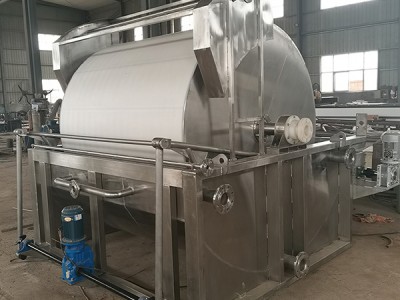
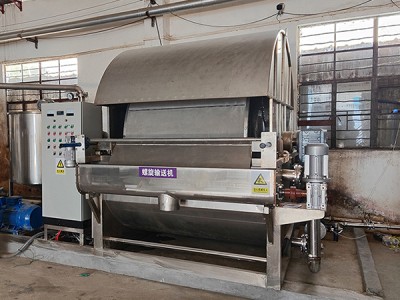
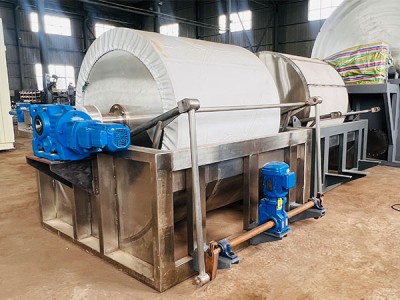
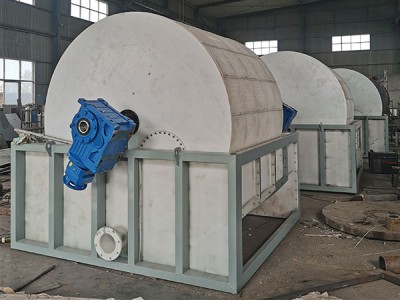
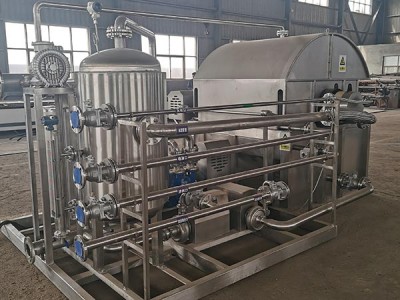
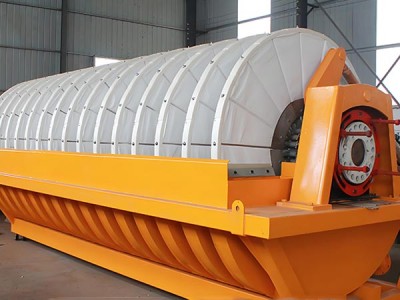
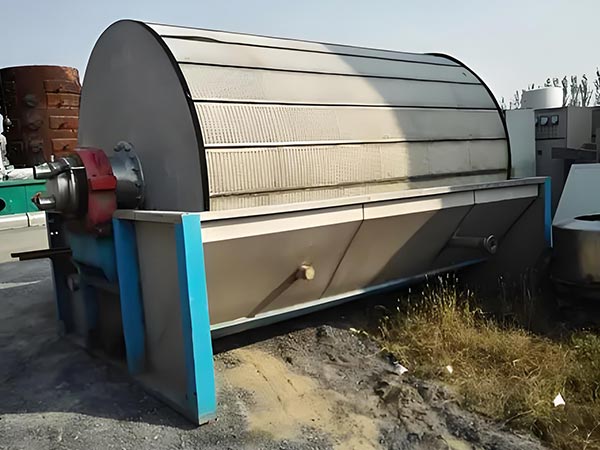
Rotating vacuum filter demonstrate exceptional advantages in sludge treatment within the environmental protection industry. Their core strengths lie in continuous operation, high processing efficiency, and low operating costs. Additionally, they accommodate various sludge types, effectively meeting the demands of environmental engineering projects. Below, we explore the specific areas where these advantages are manifested.
1. Continuous automated operation significantly enhances processing efficiency
The Rotating vacuum filter operates through continuous drum rotation combined with vacuum adsorption dewatering. This enables fully automated closed-loop processing—including feeding, filtration, washing, unloading, and filter cloth regeneration—without frequent start-stop cycles. Compared to intermittent equipment like plate-and-frame filter presses, it enables 24/7 continuous sludge processing with higher throughput per unit. This makes it particularly suitable for centralized treatment scenarios involving high-volume sludge, such as municipal wastewater treatment plants and industrial wastewater treatment facilities. Additionally, the PLC control system allows precise adjustment of parameters like drum speed and vacuum level, reducing manual intervention, lowering operational intensity, and enhancing the overall continuity of the treatment process.
2. Stable dewatering performance with strong controllability over sludge moisture content
The Rotating vacuum filter utilizes vacuum negative pressure as the dewatering force, enabling rapid cake formation with uniform thickness. By adjusting vacuum levels and drum rotation speed, sludge moisture content can be flexibly controlled. For common sludge types such as municipal sewage sludge, paper mill sludge, and textile dyeing sludge, the treated sludge moisture content can typically be stabilized between 60% and 80%, meeting the moisture requirements for subsequent disposal methods like landfill, incineration, or resource recovery. Additionally, the equipment can be equipped with a filter cake washing device. This allows simultaneous washing of the filter cake during dewatering to remove soluble pollutants from the sludge, thereby enhancing the environmental compliance rate of sludge treatment.
3. Highly adaptable, capable of processing various complex sludge types
This equipment demonstrates broad adaptability to sludge, effectively dewatering both inorganic and organic sludge, as well as difficult-to-treat sludge with high viscosity and fine particles through premium filter cloth materials and optimized operating parameters.
4. Low operational energy consumption and low maintenance costs
The dewatering force of the Rotating vacuum filter originates from the vacuum pump. Compared to equipment like high-pressure diaphragm filter presses, it imposes lower pressure demands on the power system and consumes less energy per unit of sludge processed. Maintenance is straightforward, with the primary wear parts being the filter cloth and vacuum pump components. The filter cloth can be regenerated via an online rinsing system, extending its service life. Routine vacuum pump maintenance involves only periodic oil checks and debris removal, ensuring simple, infrequent upkeep. Additionally, the compact equipment footprint makes it ideal for retrofitting or new construction projects at wastewater treatment plants with limited space.
5. User-friendly operating environment with reduced secondary pollution
The equipment operates within a fully or partially enclosed housing. Throughout sludge feeding, dewatering, and discharge, there is minimal sludge splashing or odor dispersion, effectively improving workshop conditions. Wastewater generated from filter cloth rinsing can be recycled into the wastewater treatment system for reprocessing, preventing secondary pollution from external discharge. The dewatered filter cake forms solid blocks, facilitating transportation and subsequent disposal. This aligns with the environmental industry's requirement for “clean” sludge treatment.
In today's environmental protection industry, where efficiency, low-carbon footprint, and clean processing are increasingly prioritized, rotating vacuum filter perfectly align with core sludge treatment requirements. With multiple key advantages—automated operation, stable dewatering performance, broad adaptability, low energy consumption, easy maintenance, and a user-friendly operating environment—they provide reliable sludge treatment solutions for various scenarios, including municipal wastewater treatment plants and industrial wastewater treatment facilities. Looking ahead, as environmental technologies continue to evolve, drum vacuum filters will achieve breakthroughs in material upgrades, parameter optimization, and intelligent control systems. These advancements will further reduce operational costs and enhance treatment efficiency, injecting stronger momentum into the resource recovery and green development of sludge treatment within the environmental sector. This progress will contribute to the continuous improvement of production environments and the advancement of sustainable development goals.