 English
 日本
日本 한국인
한국인 Français
 Deutsch
 español
 Italiano
 Portugal
 Việt Nam
 türkiye
 عرب
عرب Русский
 čeština
 แบบไทย
 Eesti
Eesti Gaeilge
 Hmoob
Hmoob íslenskur
 Cymraeg
 български
 اردو
اردو Polski
 Hrvatski
 українська
 bosanski
 فارسی
فارسی lietuvių
 latviski
 עִברִית
 Română
 Ελληνικά
 dansk
dansk Magyar
 norsk
norsk Suomalainen
 Nederlands
 svenska
 slovenský
 Slovenščina
 हिंदी
हिंदी Indonesia
 Melayu
 Malti
Malti Kreyòl ayisyen
 català
 বাংলা
বাংলা Српски
 o'zbek

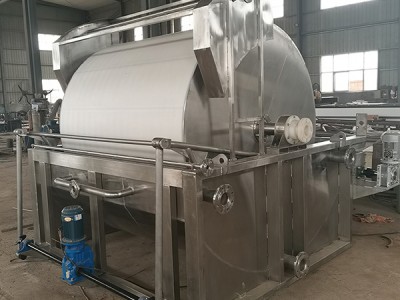
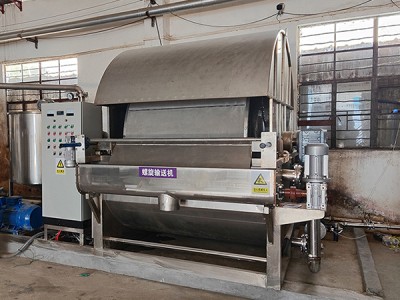
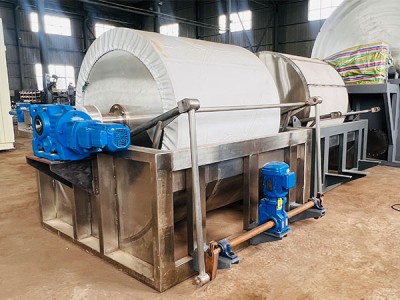
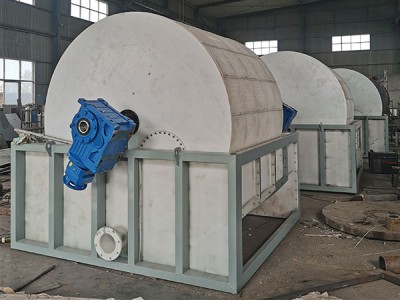
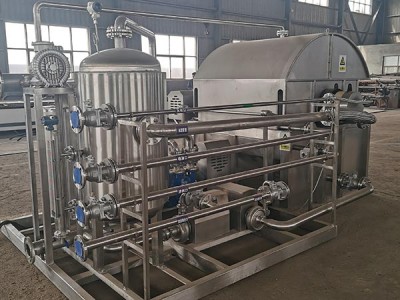
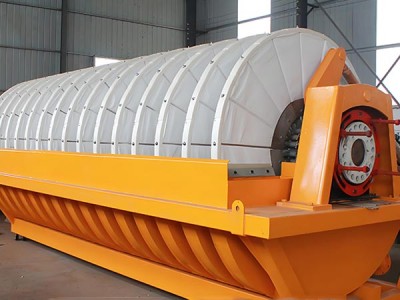
The continuous rotary drum filter is a solid-liquid separation device widely used in the chemical, mining, environmental protection, and food industries. The preparatory work performed before startup directly affects the equipment’s operational stability, filtration efficiency, and operational safety. To prevent equipment malfunctions, poor filtration performance, and safety hazards after startup, it is essential to strictly follow the standard procedures and complete all preparatory tasks to ensure the equipment meets the requirements for startup.
1. Inspection of the equipment itself
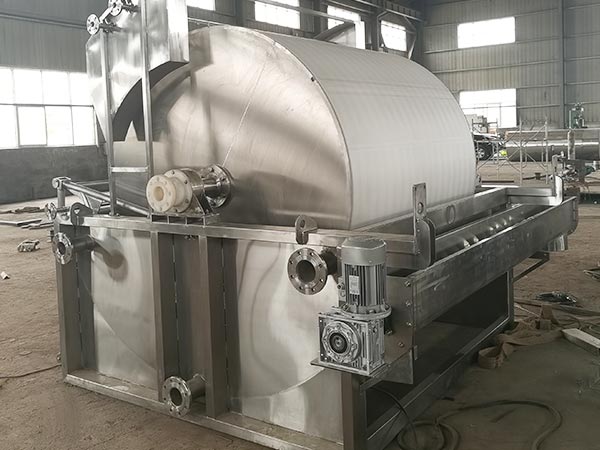
Before starting the machine, conduct a thorough inspection of the continuous rotary drum filter to ensure that all components are in good condition and securely fastened.
1) Inspect the drum components to ensure their surfaces are clean and free of residual filter cake, debris, cracks, or scratches. Verify that the drum rotates smoothly without jamming or unusual noises. Check that the bearings are adequately lubricated and that the grease is evenly distributed. If lubrication is insufficient, immediately replenish with the appropriate grade of grease;
2) Inspect the condition of the filter cloth. As the core component of the filtration process, ensure the filter cloth is installed flat, free of tears or looseness, and that the seams are well-sealed with no risk of liquid leakage. Additionally, check the tension of the filter cloth to prevent it from being too loose—which could cause sagging or wrinkling during filtration and reduce efficiency—or too tight, which may damage the filter cloth;
3) Inspect the scraper assembly. Check whether the scraper makes uniform contact with the filter surface, whether the scraper edge is sharp and free of wear, and whether the mounting bolts are secure to prevent loosening of the scraper, which could affect subsequent filtration;
4) Inspect the equipment housing, flanges, seals, and other components to ensure there is no damage or leakage, and that all connecting bolts are securely tightened to prevent feed liquid leakage after startup.
2. Inspection of auxiliary systems
The normal operation of the drum vacuum filter relies on the coordinated functioning of auxiliary equipment such as the vacuum system, hydraulic system, feed system, and discharge system. Before starting the machine, the status of each auxiliary system must be checked.
1) Vacuum System: Inspect the vacuum pump, vacuum tank, and vacuum piping to ensure they are in good condition. Verify that valves on the vacuum piping operate smoothly, provide a tight seal, and show no signs of air leakage. Start the vacuum pump for a no-load test run to confirm that it operates smoothly without abnormal noises and that the vacuum level meets the equipment’s operational requirements. Simultaneously, check whether the vacuum gauge, pressure gauge, and other instruments display accurate readings; if any instruments malfunction, replace them promptly.
2) Hydraulic System: Check that the hydraulic oil tank level is within the specified range, that the hydraulic oil is free of contamination and impurities, and that hydraulic lines are securely connected with no leaks. Ensure that the hydraulic pump and cylinders operate normally and that hydraulic valves act smoothly to guarantee the smooth rotation of the drum and adjustment of the scraper;
3) Feed and Discharge Systems: Check that the feed and discharge lines are unobstructed, free of blockages and leaks, and that the feed and discharge pumps are operating normally. Ensure that the feed and discharge valves adjust smoothly. Additionally, verify that the feed liquid in the storage tank is sufficient and that its concentration and temperature meet the equipment’s operational requirements to prevent any adverse effects on filtration performance due to abnormal feed liquid conditions.
4) Electrical Control System: Verify that the power supply voltage is stable; ensure that control switches, buttons, sensors, and other components are responsive and reliable; confirm that wiring is secure with no loose connections or risk of short circuits; and ensure that the equipment can start, stop, and adjust parameters normally.
3. Operating Environment and Safety Inspection
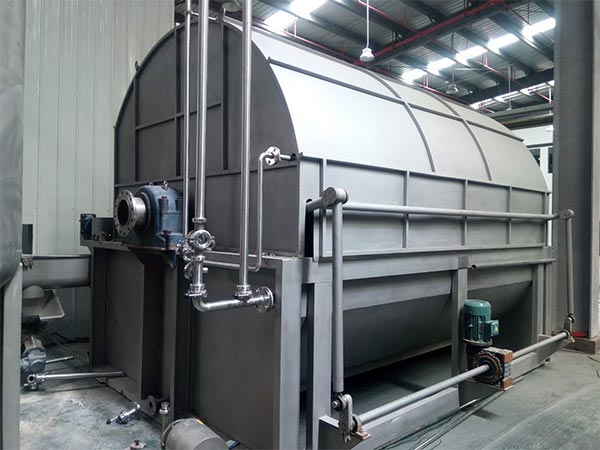
For continuous rotary drum filter machines, it is necessary to identify potential safety hazards in the operating environment and ensure a safe working atmosphere.
1) Clear debris and obstacles from the area surrounding the equipment and the operating zone to ensure sufficient working space and unobstructed access, thereby preventing any interference with equipment operation or personnel safety;
2) Inspect the equipment’s safety devices, such as guardrails, protective covers, and emergency stop buttons, to ensure they are intact and functional. Guardrails must be securely installed, protective covers must be free of damage, and emergency stop buttons must respond promptly to enable rapid shutdown in case of emergencies;
3) Check the ventilation and lighting conditions in the operating area. Adequate ventilation prevents the accumulation of volatile gases from the feed solution, while sufficient lighting ensures operators can clearly observe the equipment’s operating status and avoid operational errors;
4) Conduct pre-shift checks on operators to confirm they are familiar with equipment operating procedures, understand the key points of pre-startup preparations, and are knowledgeable about emergency response methods. Unauthorized or non-compliant operation is strictly prohibited. Operators must wear personal protective equipment to prevent personal injury from contact with process fluids or moving equipment parts.
4. No-load Test Run and Parameter Adjustment
After completing the above inspections, a no-load test run of the equipment must be conducted to further verify the operational status of the equipment and its auxiliary systems.
1) Start the equipment and perform a no-load test run. Observe whether the drum rotates at a uniform speed without jamming or unusual noises, and ensure that auxiliary equipment such as the vacuum pump, hydraulic pump, and feed pump operates smoothly without abnormal vibrations or leaks;
2) Check whether all gauges are displaying normal readings and whether parameters such as vacuum level, hydraulic pressure, and drum rotation speed are within the specified ranges;
3) Observe the operating condition of the filter cloth to ensure there is no misalignment or wrinkling, and that the scraper operates smoothly;
4) Based on production requirements, pre-adjust the equipment operating parameters—such as drum rotation speed, vacuum level, feed rate, and scraper clearance—to ensure they are appropriate, thereby preparing for subsequent normal filtration operations;
5) The no-load test run should generally last no less than 30 minutes. If any abnormalities are detected, immediately shut down the machine, troubleshoot the issue, and address it promptly before resuming the test run.
5. Other preparatory tasks
In addition to the core preparations mentioned above, various auxiliary tasks must also be completed to ensure that production proceeds smoothly.
1) Inspect the filter cloth cleaning system to confirm that the cleaning water pressure is normal, the cleaning nozzles are unclogged, and the filter cloths can be cleaned properly, thereby preventing filter cloth blockages that could affect filtration efficiency;
2) Prepare the necessary auxiliary materials, such as grease, filter cloth spare parts, and seals, so that they can be replaced promptly in the event of minor equipment malfunctions, thereby minimizing downtime;
3) Inspect the equipment’s drainage and residue discharge systems to ensure unobstructed flow, preventing accumulated liquid or residue from affecting equipment operation;
4) Complete pre-startup documentation, including detailed records of equipment inspections, operational status during trial runs, and parameter tuning results, to provide a basis for subsequent equipment maintenance and troubleshooting.
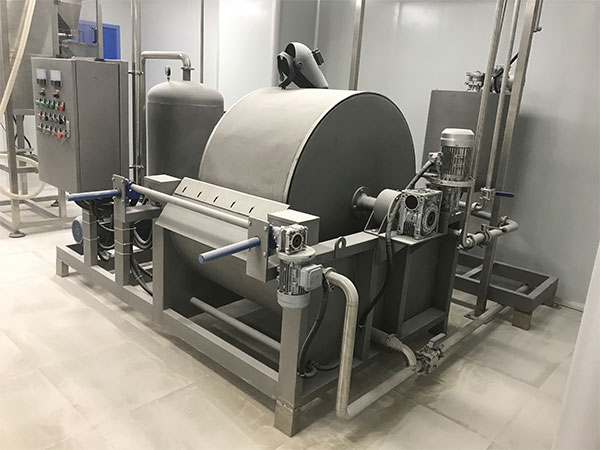
Pre-startup preparations for a continuous rotary drum filter must encompass multiple aspects, including the equipment itself, auxiliary systems, the operating environment, and parameter adjustments, to ensure that the equipment is free of malfunctions and safety hazards and that all parameters meet production requirements. Only by properly completing these pre-startup preparations can we effectively improve equipment operational efficiency, extend its service life, ensure continuous and safe production, and prevent downtime, malfunctions, and safety incidents caused by inadequate preparation.