 English
 日本
日本 한국인
한국인 Français
 Deutsch
 español
 Italiano
 Portugal
 Việt Nam
 türkiye
 عرب
عرب Русский
 čeština
 แบบไทย
 Eesti
Eesti Gaeilge
 Hmoob
Hmoob íslenskur
 Cymraeg
 български
 اردو
اردو Polski
 Hrvatski
 українська
 bosanski
 فارسی
فارسی lietuvių
 latviski
 עִברִית
 Română
 Ελληνικά
 dansk
dansk Magyar
 norsk
norsk Suomalainen
 Nederlands
 svenska
 slovenský
 Slovenščina
 हिंदी
हिंदी Indonesia
 Melayu
 Malti
Malti Kreyòl ayisyen
 català
 বাংলা
বাংলা Српски
 o'zbek

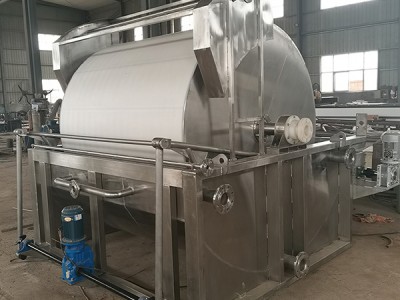
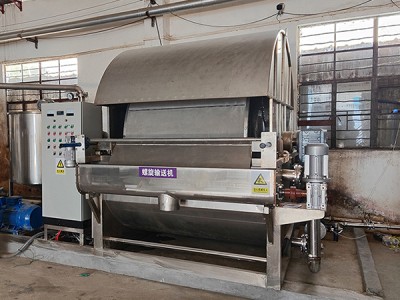
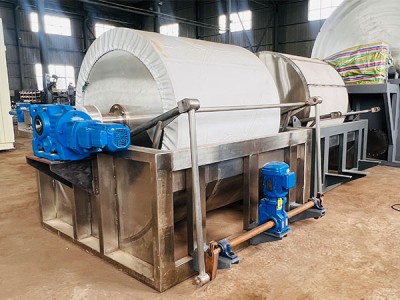
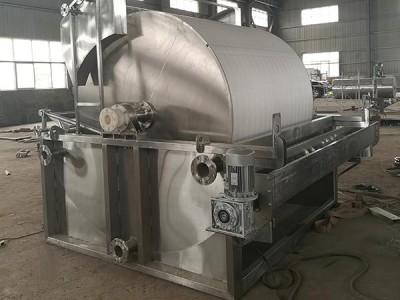
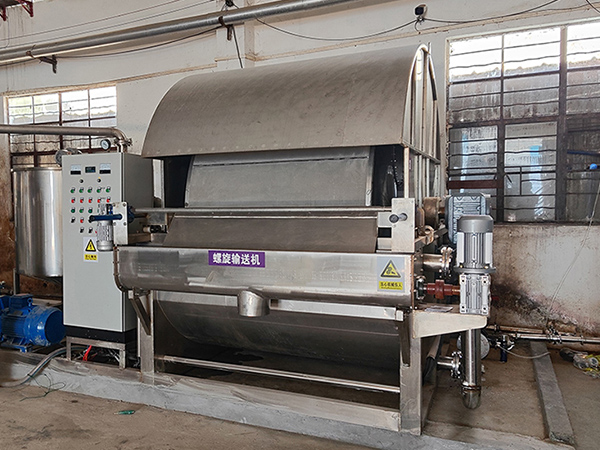
Rotary Drum Filter
The rotary drum filter is a solid-liquid separation device utilizing a porous drum as its core filtration element. It primarily relies on the continuous rotation of the drum to achieve a continuous filtration process and automated backwashing. This equipment is widely applied in scenarios demanding high precision in water purification and a high degree of automation. Its key features include continuous operation and automatic sludge discharge, eliminating the need for frequent shutdowns or manual disassembly and cleaning. It efficiently and stably removes suspended solids, particulate impurities, and other contaminants from water.
Core Benefits:
High Filtration Precision: Effectively captures minute suspended solids, delivering crystal-clear effluent that meets stringent water quality standards;
High Automation: Eliminates frequent manual screen cleaning, reducing labor costs and enabling long-term continuous operation;
Stable Operation: Continuous filtration without interruption prevents water quality fluctuations caused by shutdowns for cleaning;
Low Energy Consumption: Minimal water/electricity usage for drum rotation and backwashing ensures economical operating costs;
High Durability: Filter screens typically made of stainless steel or polymer materials offer corrosion resistance, clogging resistance, and extended service life.
Applications of Rotary Drum Filters
The core function of rotary drum filter is to utilize vacuum negative pressure as the filtration driving force, enabling rapid separation of solid particles from liquids in suspensions. This process yields a highly dry solid filter cake and clear filtrate.
1. Mining and Metallurgy: Processes include slurry dewatering, separation of smelting residues, metal powder recovery, and solid-liquid separation of tailings during mineral processing, supporting resource recovery and wastewater recycling.
2. Chemical Industry: Filters crystallization liquids for pigments, dyes, fertilizers, soda ash, caustic soda, and other products; recovers catalysts; separates solids from reaction liquids, ensuring product purity and continuous production.
3. Food and Beverage Industry: Filtration of sugarcane and beet juice for sucrose and beet sugar production; solid-liquid separation of fermentation liquids for citric acid and MSG; impurity filtration in juice and beer brewing processes, meeting food-grade hygiene standards.
4. Environmental Protection Industry: Sludge dewatering in industrial wastewater treatment, sludge volume reduction in municipal sewage treatment plants, and solid-liquid separation of landfill leachate to reduce pollutant discharge.
5. Pharmaceutical Industry: Filtration and drying of pharmaceutical crystallization liquids, impurity removal from critical extraction solutions, and solid-liquid separation of antibiotic fermentation broths, meeting the pharmaceutical industry's stringent purity and sterile environment requirements.
6. Building Materials and Non-metallic Minerals Industry: Dewatering of mineral powders such as limestone, gypsum, and kaolin; filtration of raw materials in cement production; and purification and separation of ceramic raw materials.
Core Reasons for Selecting Rotary Drum Filter Across Various Applications:
1. Aquaculture
Pain Points: In high-density farming, fish feces and uneaten feed accumulate rapidly, deteriorating water quality and reducing survival rates.
Adaptation Advantages:
• High-precision filtration (20-50μm) swiftly traps solid impurities, minimizing pollution sources.
• Continuous operation prevents water quality fluctuations that cause stress in fish and shrimp.
• Automated drainage reduces manual intervention, meeting efficient management needs for large-scale operations.
2. Fish Farms
Challenges: Outdoor environments introduce fallen leaves and silt, while high fish density makes manual cleaning inefficient.
Adaptation Advantages:
• High-flow design meets aquaculture facilities' water treatment demands.
• Strong clog-resistant filter screens handle larger debris like leaves and silt.
• Minimized maintenance reduces management complexity in outdoor farming.
3. Koi Ponds
Challenges: Koi demand exceptionally clear water, while uneaten feed and waste easily accumulate, diminishing aesthetic value.
Adaptation Advantages:
• Ultra-high filtration precision captures minute impurities for crystal-clear water.
• Automatic backwashing leaves no residue, preventing secondary contamination and maintaining stable water quality.
• Low operational noise preserves koi's habitat and viewing experience.
4. Large Aquariums
Challenges: Large aquariums hold substantial water volumes, making manual cleaning difficult. Display settings demand high water clarity and aesthetically pleasing equipment.
Adaptation Advantages:
• Modular design integrates seamlessly into aquarium circulation systems without compromising visual appeal.
• Automated operation requires no manual intervention, ideal for unattended settings like malls and exhibition halls.
• Produces crystal-clear filtered water, enhancing viewing pleasure while reducing algae growth.
5. Fish Stores
Challenges: Numerous tanks in limited space require frequent, labor-intensive water changes and cleaning. High fish density accelerates water deterioration.
Adaptation Advantages:
• Compact units fit neatly under counters for space-saving centralized installation.
• Automatic waste discharge reduces water change frequency, lowering water consumption and labor costs.
• Stable water quality minimizes fish stress, improves survival rates, and enhances store reputation.
6. Natural Swimming Pools
Challenges: Natural pools rely on physical filtration to maintain water quality, requiring removal of algae, silt, leaves, and other debris to avoid excessive chemical use.
Adaptation Advantages:
• 50-100μm filter screens effectively capture algae and sediment. Combined with UV disinfection, they meet natural pool health requirements.
• High-flow continuous filtration aligns with pool circulation demands.
• Automatic backwashing eliminates manual cleaning, reducing maintenance costs and enhancing user convenience.