 English
 日本
日本 한국인
한국인 Français
 Deutsch
 español
 Italiano
 Portugal
 Việt Nam
 türkiye
 عرب
عرب Русский
 čeština
 แบบไทย
 Eesti
Eesti Gaeilge
 Hmoob
Hmoob íslenskur
 Cymraeg
 български
 اردو
اردو Polski
 Hrvatski
 українська
 bosanski
 فارسی
فارسی lietuvių
 latviski
 עִברִית
 Română
 Ελληνικά
 dansk
dansk Magyar
 norsk
norsk Suomalainen
 Nederlands
 svenska
 slovenský
 Slovenščina
 हिंदी
हिंदी Indonesia
 Melayu
 Malti
Malti Kreyòl ayisyen
 català
 বাংলা
বাংলা Српски
 o'zbek

Product Overview:
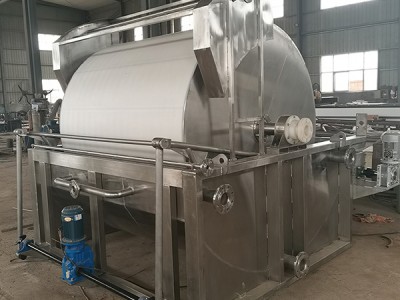
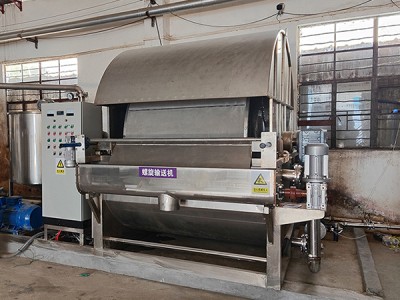
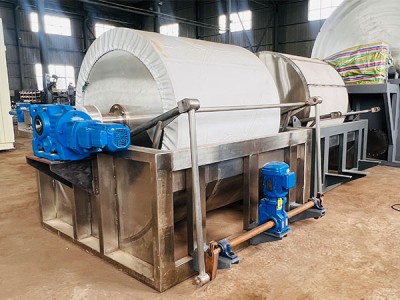
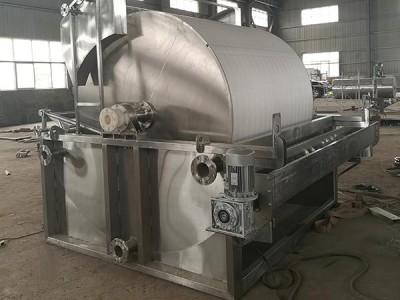
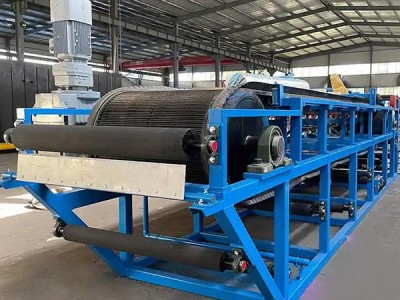
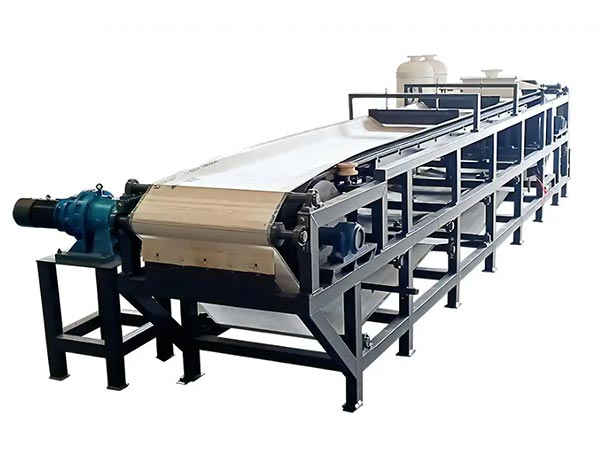
The vacuum belt filter is a modern solid-liquid separation device that integrates vacuum negative pressure drive with continuous filter cloth conveying technology. By integrating processes such as uniform slurry distribution, vacuum suction filtration, filter cake washing, suction drying, and automatic discharge onto a continuously operating filter cloth belt, it achieves one-stop processing from raw slurry to dry filter cake. It is widely used for solid-liquid separation requirements in large-scale production across multiple industries.
Advantages of Vacuum Belt Filters:
√ Continuous and stable operation with high throughput and efficiency
√ Low moisture content in filter cake for consistent quality
√ High automation level and user-friendly operation
√ Wide applicability for processing various types of slurries
√ Easy filter cloth replacement and lower maintenance costs
Key Parameters Affecting Performance:
· Vacuum Pressure: Determines the driving force for filtration, directly impacting filtration rate
· Filter cloth velocity: Affects filter cake thickness and equipment throughput
· Slurry concentration and temperature: Influence slurry fluidity and filtration characteristics
· Filter cloth material and pore size: Determine filtration precision and cake formation efficiency
· Drum/housing structure and sealing performance: Impact vacuum stability and overall operational efficiency
· Washing method and wash water consumption: Affect cake cleanliness and final moisture content
Working Principle of Vacuum Belt Filter:
The primary process of the vacuum belt filter comprises five stages, all completed continuously on a horizontally operating filter cloth belt:
Feed Stage: Slurry is evenly spread across the moving filter cloth via the feed device. The feed width matches the filter cloth width to prevent local accumulation or leakage. Feed speed can be adjusted according to filter cloth running speed and processing requirements to ensure formation of a uniformly thick filter cake.
Vacuum Filtration Stage: The filter cake adheres to the sealed vacuum chamber below. Upon system activation, a stable negative pressure is established within the chamber. Under vacuum suction, liquid permeates the filter cloth into the vacuum chamber, flowing through piping into the filtrate collection tank. Solid particles are retained on the filter cloth surface, forming the filter cake.
Filter Cake Washing Stage (Optional): To remove soluble impurities, the filter cake enters the washing zone where water is uniformly sprayed by spray nozzles or washing rollers. Under vacuum, the wash liquid permeates the filter cake, carrying away impurities. The wash liquid can be collected separately or combined with the filtrate, depending on process requirements. Multi-stage countercurrent washing significantly improves water utilization and washing efficiency.
Drying and Dewatering Stage: The washed filter cake enters the drying zone, where increased vacuum pressure further extracts residual moisture (including free water and some capillary water), reducing the cake's moisture content and facilitating smooth discharge.
Automatic Discharge Stage: The filter cake travels with the filter cloth to the end. When bypassing the discharge roller, it automatically sheds due to the turning motion and gravitational force, falling into the collection device below. After discharge, the filter cloth is cleaned of residues via high-pressure spraying or brushing to prevent clogging. It then returns to the feeding zone via a tracking device, ready for the next cycle.
Structure and Components of Vacuum Belt Filter
· Ring Filter Belt: Constructed from corrosion-resistant, wear-resistant synthetic materials, featuring excellent air permeability and strength.
· Vacuum Chamber: Located beneath the filter belt, internally divided into multiple independent vacuum suction zones.
· Drive Unit: Drives the filter belt for continuous cyclic operation.
· Feed Distributor: Evenly distributes the slurry to be processed onto the filter belt, ensuring stable filtration performance.
· Washing Device: Cleans the filter cake via spray washing or similar methods.
· Scraper or Discharge Roller: Effectively strips the formed filter cake.
· Vacuum System: Comprises vacuum pumps, gas-liquid separators, and other components to provide stable negative pressure for the filtration process.
Vacuum Belt Filter Applications:
· Mining and Metallurgy Industry: Suitable for dewatering iron concentrate, zinc concentrate, copper concentrate, and other minerals;
· Chemical Industry: Applicable for solid-liquid separation of materials such as soda ash and catalysts;
· Environmental Protection and Water Treatment: Capable of deep dewatering of municipal sludge, industrial sludge, and various industrial wastewater streams;
· Food and Pharmaceutical Industry: Employed in filtration processes for starch refining, sugar production, and fermentation liquid clarification;
· Coal Industry: Primarily applied in coal slurry dewatering to enhance coal utilization efficiency;
· Non-metallic Minerals Industry: Capable of filtering and dewatering fine powder materials like kaolin, calcium carbonate, and talcum powder.