 English
 日本
日本 한국인
한국인 Français
 Deutsch
 español
 Italiano
 Portugal
 Việt Nam
 türkiye
 عرب
عرب Русский
 čeština
 แบบไทย
 Eesti
Eesti Gaeilge
 Hmoob
Hmoob íslenskur
 Cymraeg
 български
 اردو
اردو Polski
 Hrvatski
 українська
 bosanski
 فارسی
فارسی lietuvių
 latviski
 עִברִית
 Română
 Ελληνικά
 dansk
dansk Magyar
 norsk
norsk Suomalainen
 Nederlands
 svenska
 slovenský
 Slovenščina
 हिंदी
हिंदी Indonesia
 Melayu
 Malti
Malti Kreyòl ayisyen
 català
 বাংলা
বাংলা Српски
 o'zbek

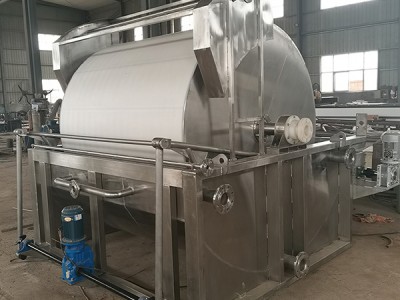
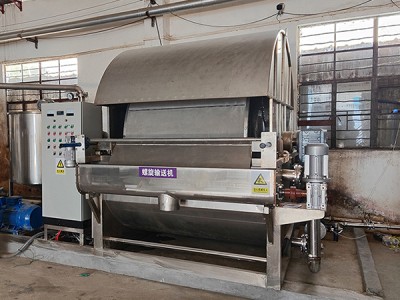
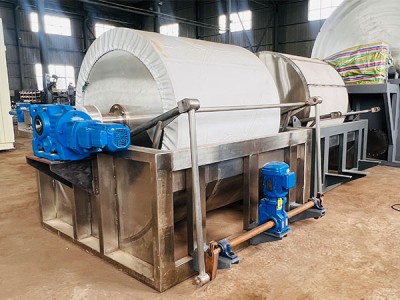
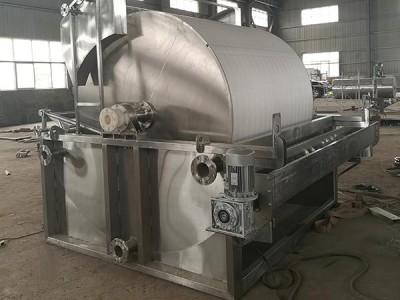
Vacuum drum filters typically require continuous operation and are mainly used for slurry filtration, solid-liquid separation, and filter cake dewatering. During continuous operation, the equipment components that come into contact with materials, such as the filter cloth, vacuum system, drive mechanism, and cake discharge components, may experience wear, material buildup, and contamination. If maintenance is inadequate, the equipment may experience:
Reduced filtration efficiency
Increased filter cake moisture content
Insufficient vacuum
Filter cloth clogging
Incomplete cake discharge
Excessive operating noise
Increased filter cake moisture content
Insufficient vacuum
Filter cloth clogging
Incomplete cake discharge
Excessive operating noise
Therefore, regular maintenance of vacuum drum filters can not only reduce downtime but also ensure stable filtration performance over the long term.
Why Does a rotary drum filter Require Regular Maintenance?
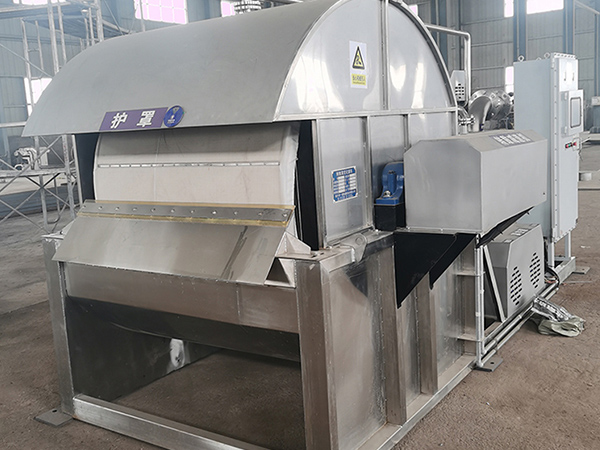
A rotating vacuum filter relies on drum rotation, filter cloth retention, and vacuum suction to achieve continuous solid-liquid separation. During operation, all components need to maintain proper coordination. Any abnormality in one part of the system can affect the overall filtration performance.
A rotating vacuum filter relies on drum rotation, filter cloth retention, and vacuum suction to achieve continuous solid-liquid separation. During operation, all components need to maintain proper coordination. Any abnormality in one part of the system can affect the overall filtration performance.
Prevent Filter Cloth Clogging and Maintain Filtration Efficiency
As an important filtration medium of a vacuum drum filter, the filter cloth is responsible for retaining solid particles and achieving solid-liquid separation.
After long-term operation:
Fine particles may enter the pores of the filter cloth;
Viscous materials may adhere to the surface of the filter cloth;
Oil contamination or scaling may reduce the water permeability of the filter cloth.
Viscous materials may adhere to the surface of the filter cloth;
Oil contamination or scaling may reduce the water permeability of the filter cloth.
When the filter cloth becomes clogged, the filtration throughput decreases significantly, the system vacuum level increases, the filter cake becomes difficult to form, and the filtrate output performance deteriorates. Therefore, the filter cloth should be regularly cleaned and maintained according to the characteristics of the processed materials. If necessary, the filter cloth should be inspected for damage to ensure consistent filtration performance.
Key Maintenance Points for Vacuum Drum Filters
1. Filter Cloth Inspection and Cleaning Maintenance
The filter cloth is a consumable component of a rotary continuous filter and is also a key factor affecting filtration performance.
Daily inspections should focus on:
Whether the filter cloth has any damage or tears;
Whether the filter cloth is misaligned;
Whether the tension is appropriate;
Whether the surface is clogged or covered with material buildup.
Whether the filter cloth is misaligned;
Whether the tension is appropriate;
Whether the surface is clogged or covered with material buildup.
If the following issues occur, the filter cloth condition should be checked first:
A significant decrease in filtration speed;
Abnormal filter cake discharge;
Cloudy filtrate.
Abnormal filter cake discharge;
Cloudy filtrate.
Select appropriate cleaning methods based on the type of material contamination.
Common particle contamination:
Use fresh water spray rinsing. If conditions permit, backwashing can be applied.
Use fresh water spray rinsing. If conditions permit, backwashing can be applied.
Oil contamination, viscous materials, or scaling buildup:
Use specialized cleaning agents compatible with the filter cloth material for deep cleaning.
Use specialized cleaning agents compatible with the filter cloth material for deep cleaning.
Note:
The cleaning agent and cleaning process must be compatible with the filter cloth material to prevent corrosion, aging, or damage to the filter cloth.
The cleaning agent and cleaning process must be compatible with the filter cloth material to prevent corrosion, aging, or damage to the filter cloth.
2. Vacuum System Maintenance
The vacuum system provides the driving force for filtration in a vacuum drum filter. Appropriate and stable vacuum conditions can accelerate filtrate flow through the filter cloth, promote filter cake formation, and improve filter cake dewatering performance. In actual production, a higher vacuum level is not always better. Excessive vacuum can cause the filter cake to crack, which may instead negatively affect operating conditions.
Daily Maintenance Points:
(1) Inspect the Vacuum Piping
Check the sealing condition of all pipe connections and identify any air leaks;
Check whether all valves operate reliably;
Check for material buildup or blockages inside the piping.
Check whether all valves operate reliably;
Check for material buildup or blockages inside the piping.
When a decrease in vacuum level occurs, air leakage is a common cause. At the same time, check for piping blockages, filter cloth condition, and potential problems with the vacuum pump itself.
(2) Check the Operating Condition of the Vacuum Pump
Regularly check:
Whether the equipment produces any abnormal noise during operation;
Whether the operating temperature of the unit exceeds the specified limit;
The lubricating oil level and oil condition;
Whether there is any abnormal vibration.
Whether the operating temperature of the unit exceeds the specified limit;
The lubricating oil level and oil condition;
Whether there is any abnormal vibration.
For commonly used liquid ring vacuum pumps, also check the operating water flow rate and water quality. Any abnormal operation of the vacuum pump can directly reduce the filtration capacity of the entire machine and should be addressed promptly.
3. Drum and Drive System Maintenance
The drum is a continuously rotating working component, and the operating stability of the drive system directly affects the overall performance of the equipment.
(1) Drum Operating Condition Inspection
Daily checks should include:
Whether the drum rotates smoothly;
Whether there is any abnormal vibration;
Whether there is any abnormal friction noise.
Whether there is any abnormal vibration;
Whether there is any abnormal friction noise.
Unstable drum operation can result in uneven filter cake thickness, accelerate filter cloth wear, and reduce filtration performance. Severe vibration may also cause filter cloth misalignment and damage the filter cloth by the discharge scraper.
(2) Maintenance of Gear Reducer, Bearings, and Drive Components
Perform regular inspections of the following:
Whether the temperature of bearings and the gear reducer is within the normal range;
The lubrication condition of all lubrication points, and add lubricating oil/grease as required;
Whether the fastening bolts of all connections are loose;
The wear condition of drive components (such as chains or gears, depending on the actual equipment configuration).
The lubrication condition of all lubrication points, and add lubricating oil/grease as required;
Whether the fastening bolts of all connections are loose;
The wear condition of drive components (such as chains or gears, depending on the actual equipment configuration).
Proper lubrication can reduce wear on mechanical components and extend the overall service life of the equipment.
4. Scraper and Cake Discharge System Maintenance
The scraper is responsible for removing the filtered cake from the surface of the filter cloth and is an important component affecting continuous production.
After long-term operation, the scraper may experience blade wear, body deformation, or loose fastening, causing changes in the working clearance and resulting in incomplete cake discharge.
Abnormal scraper conditions may cause filter cake residue to remain on the filter cloth surface, accelerating filter cloth clogging and reducing the filtration capacity of the entire machine.
The scraper is responsible for removing the filtered cake from the surface of the filter cloth and is an important component affecting continuous production.
After long-term operation, the scraper may experience blade wear, body deformation, or loose fastening, causing changes in the working clearance and resulting in incomplete cake discharge.
Abnormal scraper conditions may cause filter cake residue to remain on the filter cloth surface, accelerating filter cloth clogging and reducing the filtration capacity of the entire machine.
Daily maintenance should include regular inspection of scraper blade wear, deformation, and fastening bolts. Adjust the scraper to the proper working clearance. The scraper should not be pressed too tightly to avoid scratching or damaging the filter cloth.
Common Problems and Maintenance Methods for Vacuum Drum Filters
1. Decreased Filtration Speed
Possible Causes:
Filter cloth clogging;
Insufficient vacuum level;
Improper filter cloth selection that does not match the processed material;
Fluctuations in feed material concentration.
Insufficient vacuum level;
Improper filter cloth selection that does not match the processed material;
Fluctuations in feed material concentration.
Solutions:
Clean the filter cloth and replace it if the clogging is severe;
Inspect the vacuum system for leakage points;
Adjust the feeding conditions according to changes in material concentration; replace the filter cloth with a suitable type if the current selection is inappropriate.
Inspect the vacuum system for leakage points;
Adjust the feeding conditions according to changes in material concentration; replace the filter cloth with a suitable type if the current selection is inappropriate.
2. Filter Cake Fails to Discharge Properly
Possible Causes:
Scraper blade wear or improper clearance;
Aging or sticky filter cloth;
Improper drum rotation speed settings;
Abnormal vacuum level.
Aging or sticky filter cloth;
Improper drum rotation speed settings;
Abnormal vacuum level.
Solutions:
Check scraper wear and adjust the scraper working clearance;
Replace aged filter cloth in time;
Optimize the drum operating speed parameters.
Replace aged filter cloth in time;
Optimize the drum operating speed parameters.
3. Unstable Vacuum Level
Possible Causes:
Air leakage at vacuum piping connections;
Aging or damage of sealing components;
Material buildup and blockage in pipelines or separators;
Abnormal operation of the vacuum pump itself.
Aging or damage of sealing components;
Material buildup and blockage in pipelines or separators;
Abnormal operation of the vacuum pump itself.
Solutions:
Thoroughly inspect all connection points of the piping system;
Replace failed or aged sealing components;
Clean material buildup inside the pipelines;
Perform inspection and maintenance on the vacuum pump.
Replace failed or aged sealing components;
Clean material buildup inside the pipelines;
Perform inspection and maintenance on the vacuum pump.
4. Increased Equipment Operating Noise
Possible Causes:
Insufficient lubrication of bearings;
Wear of drive components such as gears and chains;
Loose equipment fasteners.
Wear of drive components such as gears and chains;
Loose equipment fasteners.
Solutions:
Add lubricating oil/grease as required;
Thoroughly inspect the operating condition of the drive system;
Tighten loose components and replace worn parts in time.
Thoroughly inspect the operating condition of the drive system;
Tighten loose components and replace worn parts in time.
Recommended Maintenance Schedule for Vacuum Drum Filters
A reasonable maintenance schedule can help companies identify problems in advance:
|
Frequency |
Maintenance Tasks |
|
Daily |
Check equipment operating status, filter cloth condition, and vacuum pressure |
|
Weekly |
Inspect lubrication system, drive components, and fasteners |
|
Monthly |
Clean filter cloth; inspect vacuum piping and seals |
|
Quarterly |
Inspect drum, bearings, scraper blade, and wear parts |
|
Before extended shutdown |
Remove internal residue and apply anti-corrosion protection |
The actual maintenance intervals should be adjusted based on the following conditions:
Type and characteristics of the processed materials;
Accumulated operating hours of the equipment;
Corrosive environmental conditions;
Equipment production load.
Accumulated operating hours of the equipment;
Corrosive environmental conditions;
Equipment production load.
How to Extend the Service Life of Vacuum Drum Filters?
In addition to regular maintenance, proper operation and use of the equipment are equally important.
1. Select Filter Cloth That Matches the Material
Filter cloth selection should consider factors such as material particle size, viscosity, corrosiveness, and temperature. Suitable filter cloth can improve filtration efficiency, reduce filter cloth clogging, and decrease replacement frequency. When material conditions change, the suitability of the filter cloth should be reassessed.
2. Avoid Long-Term Overloading Operation
Long-term operation beyond the designed processing capacity will increase the load on the vacuum system and stress on the drive mechanism, while also accelerating filter cloth wear. During production, operating parameters should be controlled within a reasonable range. The feed rate, vacuum level, and drum rotation speed should not deviate from the design values for extended periods to ensure stable equipment operation.
3. Maintain Complete Equipment Maintenance Records
It is recommended to establish equipment records and document filter cloth replacement time, filter cloth cleaning intervals, fault symptoms and causes, and replacement details of various wear parts. Inspection abnormalities, lubrication records, scraper adjustments, and other maintenance activities should also be recorded. Historical records can help predict equipment deterioration trends and reduce unexpected downtime.
Conclusion:
The stable operation of a vacuum rotary drum filter depends not only on the design and manufacturing quality of the equipment itself but also on standardized operation and maintenance management.
Daily maintenance should include regular inspection and servicing of the filter cloth system, vacuum system, drum and drive components, and cake discharge device. Maintenance intervals should also be adjusted according to actual operating conditions, with complete equipment operation records maintained. This helps reduce failures, improve filtration efficiency, and extend the service life of the equipment.
Establishing a scientific and comprehensive maintenance management system is the key to ensuring the long-term reliable operation of vacuum drum filters.