 English
 日本
日本 한국인
한국인 Français
 Deutsch
 español
 Italiano
 Portugal
 Việt Nam
 türkiye
 عرب
عرب Русский
 čeština
 แบบไทย
 Eesti
Eesti Gaeilge
 Hmoob
Hmoob íslenskur
 Cymraeg
 български
 اردو
اردو Polski
 Hrvatski
 українська
 bosanski
 فارسی
فارسی lietuvių
 latviski
 עִברִית
 Română
 Ελληνικά
 dansk
dansk Magyar
 norsk
norsk Suomalainen
 Nederlands
 svenska
 slovenský
 Slovenščina
 हिंदी
हिंदी Indonesia
 Melayu
 Malti
Malti Kreyòl ayisyen
 català
 বাংলা
বাংলা Српски
 o'zbek

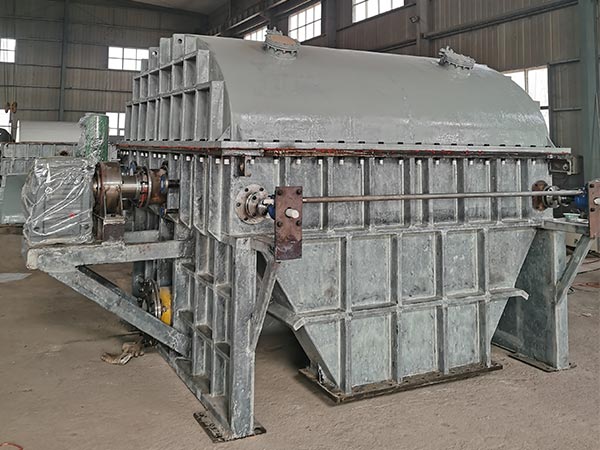
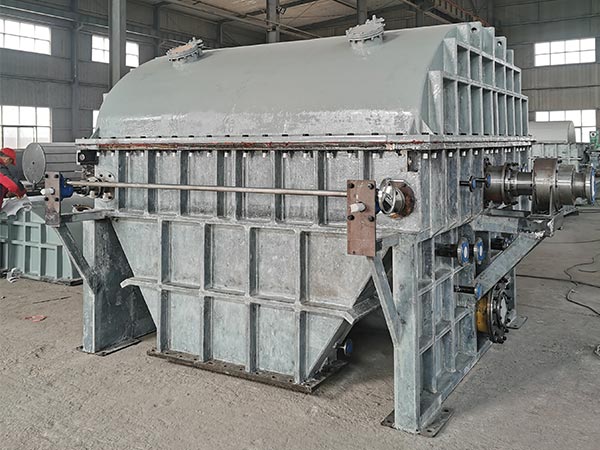
Core Definition
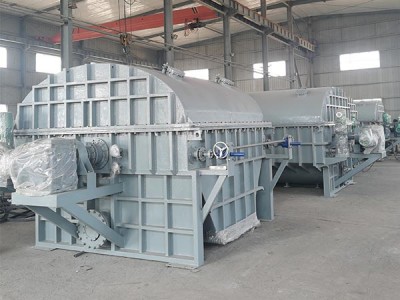
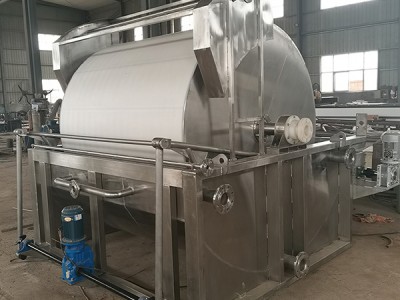
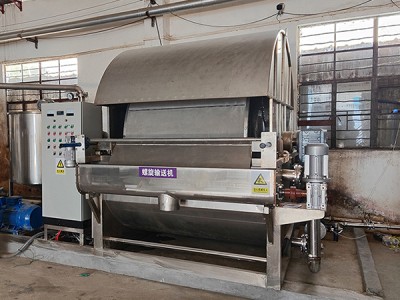
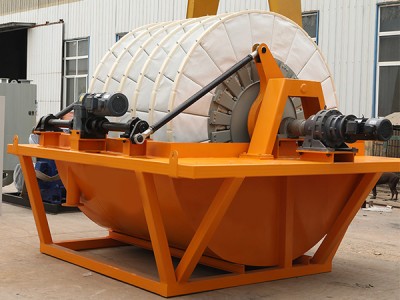
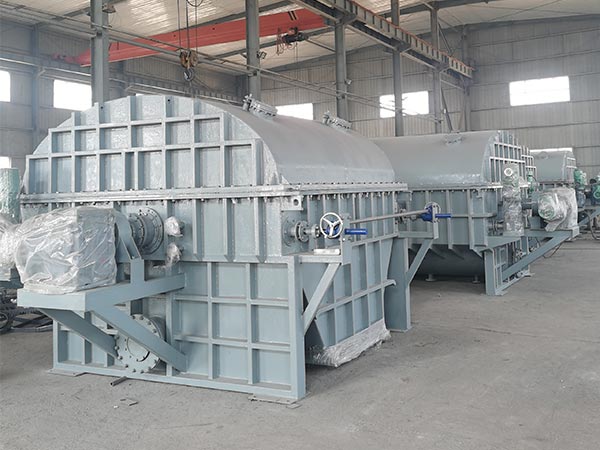
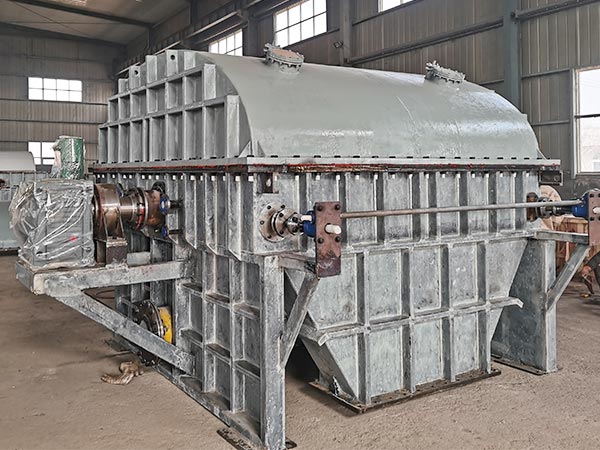
The Fully sealed filter is a highly efficient, fully automated device specifically designed for solid-liquid separation. Its core feature lies in its completely sealed design, which employs specialized sealing structures and materials to ensure a tight connection between the drum and the equipment. It is widely used in industries with stringent hygiene, safety, and environmental requirements, such as chemical, pharmaceutical, and food processing.
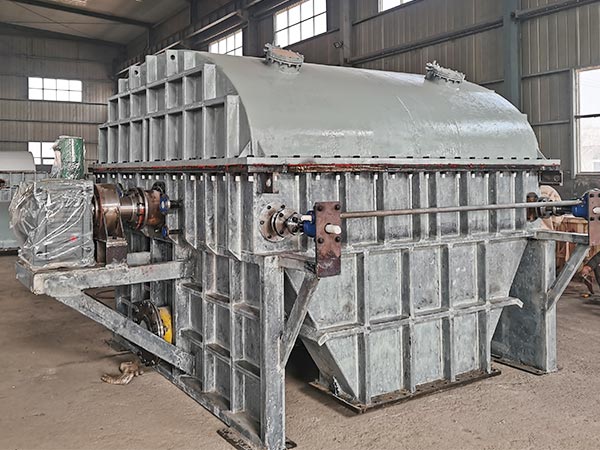
Advantages of Fully sealed filter
Superior Sealing Performance
Utilizing a fully sealed structure and specialized sealing materials, it effectively prevents material leakage, gas overflow, and external contamination, significantly enhancing production safety and environmental protection. Particularly suitable for toxic, volatile, or high-hygiene-requirement materials.
High Filtration Efficiency
Based on vacuum negative pressure principles, a stable pressure differential is created between the drum interior and exterior. This accelerates slurry filtration, dewatering, and drying, significantly boosting filtration speed and production efficiency.
Consistent Product Quality
Filtration under vacuum conditions minimizes material deposition and clogging. This results in more uniform filter cake formation with lower moisture content, enhancing product consistency and quality.
High Automation and Simple Operation
Equipped with a PLC automatic control system, it enables automatic adjustment of parameters such as drum speed, vacuum level, and washing time, reducing manual intervention and improving operational stability.
Simple Maintenance
Featuring a mature structural design with few failure points and excellent sealing, it minimizes cleaning frequency, reduces maintenance workload, and lowers downtime.
Enhanced working environment
Fully enclosed design prevents odor dispersion, dust dispersion, and material exposure, creating a cleaner, safer, and more comfortable operating environment.
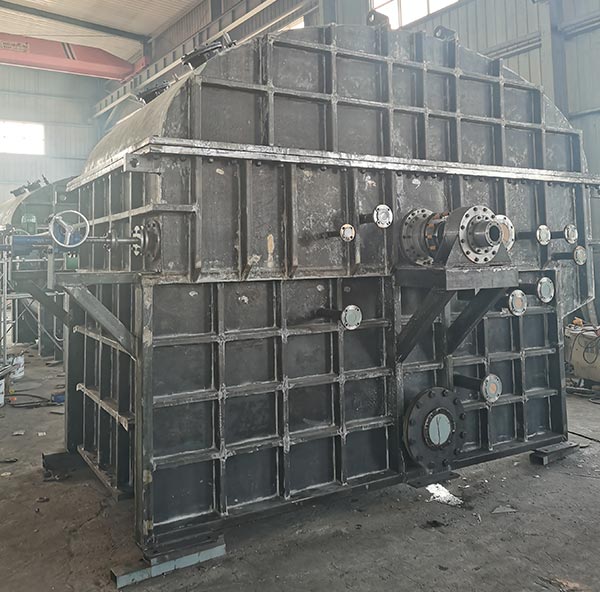
This equipment operates on the core principle of vacuum negative pressure. By creating a pressure differential between the interior and exterior of the rotating drum, it enables rapid filtration and drying of the material within a vacuum environment. This approach enhances filtration efficiency and product quality while reducing equipment failures and ensuring operational stability.
The fully sealed drum filter offers exceptional versatility, capable of being adjusted and optimized according to varying material properties and process requirements. It accommodates multiple filtration processes including pre-washing, rinsing, and drying. Additionally, it can be equipped with an automated control system as needed, enabling intelligent and automated operation. This further reduces manual intervention while enhancing production stability and controllability.
What precautions should be taken when operating a fully sealed filter machine? What preparatory steps are required before starting it up?
Pre-startup Preparation:
1. Check the oil level and cooling water in the equipment, and rotate the shaft. Exercise extreme caution during inspection.
2. Verify the status of all valves before startup. Adjust valves to the correct positions based on the specific equipment being started.
Precautions for Startup:
1. Upon startup, inspect the main drive and lifting mechanism of the sludge scraper at the top of the thickener to ensure proper operation.
2. Start the sludge pump to feed material into the drum. Before pumping sludge, flush the inlet and outlet pipelines. After flushing, partially open the bottom flushing valve of the thickener to prevent salt sludge settled at the tank bottom from clogging the pipeline. Finally, activate the sludge pump.
3. Slightly open the vacuum pump inlet valve. Once water flows from the outlet, start the vacuum pump.
4. Once material enters the drum feed trough, activate the drum agitator. Do not start the main drive under any circumstances.
5. After starting the oil pump, allow it to run for one minute before shutting it down.
6. When the feed trough level approaches the overflow outlet, open the primary vacuum valve. After confirming vacuum suction has started, activate the drum's main drive. When the filter cake rotates to a 45-degree angle with the upper feed trough opening, open the secondary vacuum valve. When the cake rotates to a 45-degree angle between the drum discharge surface and the feed trough opening, open the air-blowing valve to assist discharge.
7. Start the filtrate pump to extract filtrate from the steam-water separator.
8. Monitor vacuum level, filter cake moisture content, cake thickness, feed trough liquid level, and discharge status during operation. Take appropriate actions based on varying conditions.
9. Pay close attention to slurry concentration and wash tank liquid level during feeding.
10. Control the liquid level in the steam-water separator throughout the filtration process.
Precautions for Fully Sealed Filtration Machines:
1. If material remains in the drum feed trough after vacuum cessation, operating the main drive is strictly prohibited, as this may cause severe damage to the filter cloth.
2. Immediately notify personnel to replace the filter cloth upon detecting any damage.
3. Maintain proper liquid level in the material trough—avoid excessively low levels that reduce vacuum pressure or excessively high levels that cause overflow.
4. Monitor the liquid level in the filtrate tank to prevent the filtrate pump from running dry or becoming clogged, which could lead to tank overflow.
5. Thoroughly clean all pipelines after shutdown.
6. Maintain appropriate filter cake thickness. Too thin cakes prevent automatic discharge, while excessively thick cakes may detach from the filter cloth, reducing vacuum pressure.
7. The filter liquid tank level gauge may be unstable. Operators should frequently check liquid levels in each tank to prevent overflow caused by gauge malfunction.
Application Areas of Fully sealed filter
Chemical Industry
Dewatering of slurries for basic chemical feedstocks and purification of fine chemical products.
Mining Industry
Concentrate dewatering and tailings treatment (enhancing recovery rates and reducing slurry volume).
Food Industry
Clarification and filtration of raw materials such as starch and fruit juices.
Environmental Protection Industry
Dewatering of sewage sludge (achieving volume reduction and resource recovery).
Hot Tags: