 English
 日本
日本 한국인
한국인 Français
 Deutsch
 español
 Italiano
 Portugal
 Việt Nam
 türkiye
 عرب
عرب Русский
 čeština
 แบบไทย
 Eesti
Eesti Gaeilge
 Hmoob
Hmoob íslenskur
 Cymraeg
 български
 اردو
اردو Polski
 Hrvatski
 українська
 bosanski
 فارسی
فارسی lietuvių
 latviski
 עִברִית
 Română
 Ελληνικά
 dansk
dansk Magyar
 norsk
norsk Suomalainen
 Nederlands
 svenska
 slovenský
 Slovenščina
 हिंदी
हिंदी Indonesia
 Melayu
 Malti
Malti Kreyòl ayisyen
 català
 বাংলা
বাংলা Српски
 o'zbek

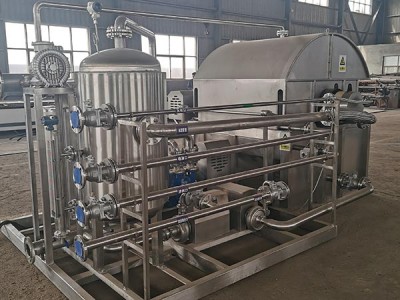
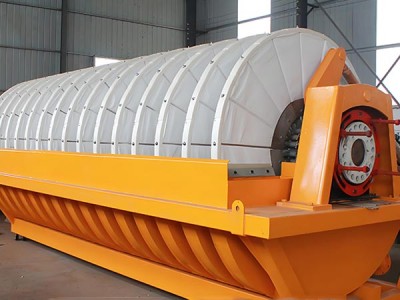
Ceramic Disc Filter
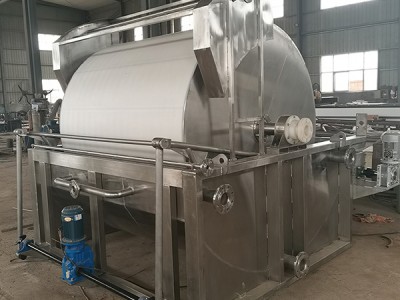
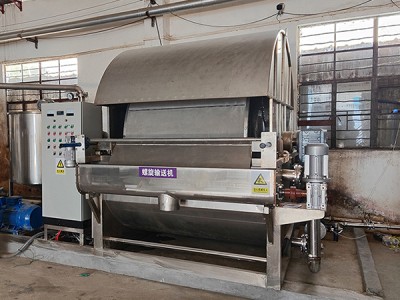
The ceramic disc filter is not a single filtering component, but an integrated solid-liquid separation system, which can adapt to the material properties, processing capacity and discharge requirements of different industries. Its core advantage lies in the modular design, enabling flexible combination according to scenarios. Meanwhile, it integrates functions such as online backwashing, automatic slag discharge and intelligent detection, eliminating the need for additional auxiliary equipment. It can directly connect to the production process, address the pain points of traditional filtering equipment, and achieve closed-loop operation from raw material processing to up-to-standard discharge of wastewater/slag or resource recovery.

Application Fields
| Industry | Application scenarios | Advantages reflected |
| Mining beneficiation | Dehydration of copper, iron, gold, silver and other concentrates, tailings treatment | Low moisture content in filter cake, high recovery rate of concentrate, and reduced load on tailings pond |
| Metallurgical industry | Metal smelting slurry separation, electrolyte purification | High temperature corrosion resistance, clear and recyclable filtrate |
| Chemical engineering field | Dehydration of zinc oxide, zinc sulfide, and electrolytic slag, and recovery of organic solvents | Acid and alkali resistant, high solvent recovery rate |
| Environmentally Friendly Water Treatment | Sludge dewatering in sewage treatment plants and purification of industrial wastewater | The filtrate can be recycled, reducing emissions |
| New energy materials | Lithium battery materials, separation and purification of rare earth elements | High precision filtration improves product purity |
| Coal industry | Fine coal slurry recovery, coal washing plant dewatering | Reduce transportation costs and increase coal calorific value |
Core Advantage Analysis
1. Superior Filtration Performance
High Filtration Precision: Capable of capturing micron-sized particles, with the solid content of the filtrate less than 50 ppm. The filtrate is clear and transparent, and can be directly reused.
Low Filter Cake Moisture Content: Reduced to below 12%, which is 3–5% lower than that of traditional equipment, significantly cutting down subsequent drying costs.
Strong Processing Capacity: The daily processing capacity of a single unit can reach 200 tons, with a unit area throughput of 1.2 tons/m²·h, improving efficiency by 3 times.
2. Outstanding Energy-saving Performance
Driven by vacuum negative pressure, it eliminates the need for high-pressure pumps, reducing energy consumption by 40%–90% compared with traditional equipment.
A single unit can save more than 100,000 kWh of electricity annually, leading to a substantial reduction in operational costs.
The ceramic filter plates feature water-permeable yet air-impermeable properties, which effectively cut down air consumption and further enhance energy efficiency.
3. Ultra-long Service Life
The ceramic filter plates boast a hardness rating of Grade 9, with acid and alkali corrosion resistance three times higher than that of metal aluminum plates, ensuring an extended service life.
Eliminating the need for filter cloths, it saves both consumable costs and labor expenses associated with replacements.
Featuring a simplified structure and low failure rate, it reduces maintenance costs by over 70%.
4. Outstanding Economic Benefits
A 3% reduction in filter cake moisture content translates to annual savings in transportation costs and transit loss expenses.
Lower moisture content and higher grade of concentrate products boost market competitiveness.
Reuse of filtrate cuts down wastewater treatment expenditure, delivering distinct advantages for long-term operations.
5. Green Sustainability
The solid content of the filtrate is less than 50 ppm, which meets discharge standards and can be recycled, facilitating the achievement of zero-emission goals.
The volume of sludge is reduced, lowering the risk of secondary pollution.
Significant reduction in energy consumption aligns with national energy conservation and emission reduction policies.
Compared to traditional filtering equipment
| Performance metrics | Ceramic vacuum disc filter machine | Traditional vacuum filter (such as drum) | Plate and Frame Filter Press |
| Moisture content of filter cake | 12-18% | 20-30% | 25-40% |
| Energy consumption (kWh/t) | 1-3 | 10-15 | 15-25 |
| Processing efficiency | High (continuous homework) | Medium (intermittent/continuous) | Low (batch assignment) |
| Degree of automation | High (PLC full process control) | Chinese | Low (with more manual intervention) |
| Filter material Lifespan | 3-8 years (almost no replacement required) | 3-6 months | 1-3 months |
| Applicable materials | Ultra fine material (-200~-450 mesh) | Medium coarse particles | Various granularity but low efficiency |
| Operating cost | Low (energy-saving+consumable saving) | High (high power consumption+frequent replacement of filter cloth) | High (labor+filter cloth) |
Summary of Technical Advantages and Application Recommendations
The core competitiveness of the Ceramic Disc Filter in its seamless integration of ceramic material properties and vacuum filtration technology, delivering a highly efficient, energy-saving, eco-friendly and durable solid-liquid separation solution.
Optimal Application Scenarios
Processing of fine-grained materials, especially pulp with a high proportion of -325 mesh particles
Processes requiring strict standards for filter cake moisture content and filtrate clarity
Highly corrosive chemical processing environments
Settings requiring long-term continuous operation with limited maintenance personnel
Model Selection Recommendations
Select the appropriate number of discs based on processing capacity, covering a production range of 5–200 tons/hour.
For materials with high sludge content, prioritize models equipped with a high-efficiency cleaning system.
For projects with stringent requirements for filtrate reuse, opt for configurations with high vacuum levels.
Thanks to its comprehensive advantages of high efficiency, energy conservation, ultra-long service life and ultra-low emissions, the Ceramic Disc Filter has become a mainstream piece of equipment in the modern solid-liquid separation sector. Its value is even more prominent today, amid growing resource scarcity and increasingly stringent environmental regulations.
If your production process involves solid-liquid separation — especially the handling of fine-grained materials or operations with high environmental standards — the Ceramic Disc Filter is undoubtedly a worthy technology upgrade option to consider.