 English
 日本
日本 한국인
한국인 Français
 Deutsch
 español
 Italiano
 Portugal
 Việt Nam
 türkiye
 عرب
عرب Русский
 čeština
 แบบไทย
 Eesti
Eesti Gaeilge
 Hmoob
Hmoob íslenskur
 Cymraeg
 български
 اردو
اردو Polski
 Hrvatski
 українська
 bosanski
 فارسی
فارسی lietuvių
 latviski
 עִברִית
 Română
 Ελληνικά
 dansk
dansk Magyar
 norsk
norsk Suomalainen
 Nederlands
 svenska
 slovenský
 Slovenščina
 हिंदी
हिंदी Indonesia
 Melayu
 Malti
Malti Kreyòl ayisyen
 català
 বাংলা
বাংলা Српски
 o'zbek

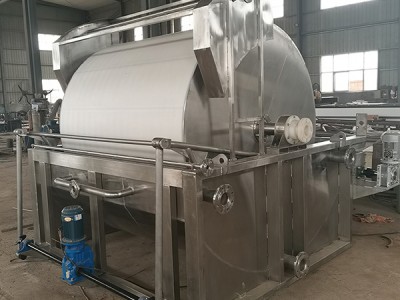
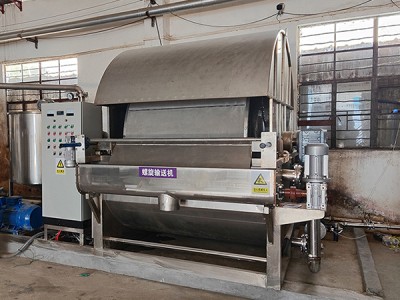
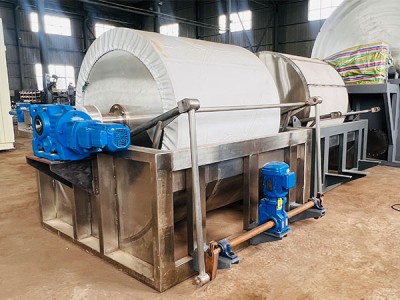
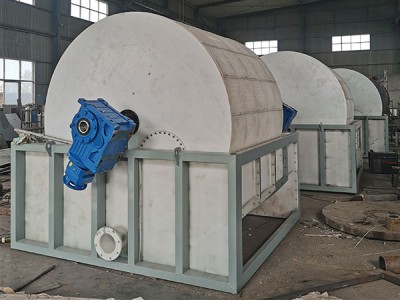
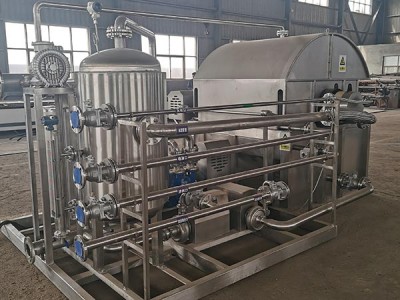
A solid-liquid separation filter is a specialized piece of equipment used in industrial production that employs physical or mechanical means to efficiently separate solid particles from liquids in a solid-liquid mixture, so as to achieve material purification, medium recovery or compliance with environmental protection standards. Its core purposes are to fulfill three key requirements: material purification, medium recovery and environmental compliance. Whether it is for product refinement, wastewater treatment in industrial production, or the extraction of valuable components in resource recovery, solid-liquid separation equipment plays an indispensable role.
What Is Solid-Liquid Separation? Why Is It Important?
Solid-liquid separation refers to a process that effectively separates the solid phase from the liquid phase in a liquid containing solid particles by means of physical, chemical or mechanical methods.
Its importance is reflected in the following aspects:
· Resource Recovery: Recover valuable solids from wastewater.
· Environmental Protection: Reduce suspended solids in discharged water to meet environmental protection regulations.
· Process Efficiency: Improve the efficiency of subsequent treatment procedures.
· Cost Control: Lower the costs of transportation, treatment and disposal.
Why Is Solid-Liquid Separation Critical to the Mineral Processing Industry?
In the mineral beneficiation process, solid-liquid separation plays a pivotal connecting role between upstream and downstream procedures:
1. Concentrate Dehydration
Concentrates obtained after processes such as flotation and magnetic separation typically exist in slurry form. Without effective dehydration, high moisture content will not only drastically increase transportation costs but also reduce smelting efficiency. In severe cases, the rapid vaporization of water at high temperatures may even trigger safety hazards during the smelting process.
2. Tailings Management
Most tailings generated from mineral beneficiation are dilute slurries, which must be treated via solid-liquid separation:
Water Resource Recovery and Reuse: The separated clarified water can be recycled back to the production process, significantly saving water resources and reducing operational costs.
Dry Stacking of Tailings: This method reduces the risk of dam failure associated with traditional wet tailings ponds, meeting the policy requirements for "green mines" and sustainable development.
3. Intermediate Product Processing
In mineral beneficiation processes, operations such as thickening and counter-current washing are highly dependent on solid-liquid separation technology. This effectively improves concentrate grade, increases metal recovery rates, and minimizes the loss of valuable components.
4. Environmental Compliance Requirements
Current industrial environmental protection standards are becoming increasingly stringent. Many regions mandate that mines achieve "near-zero discharge" or "closed-loop wastewater recycling". Solid-liquid separation serves as a core supporting technology for realizing wastewater reuse, minimizing solid waste, and achieving compliant discharge.
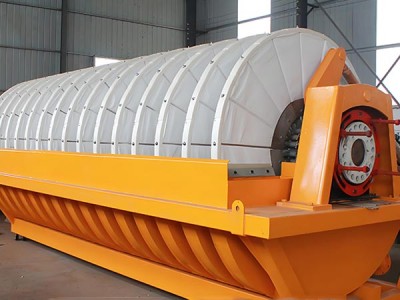
For mineral processing enterprises targeting the global market, the vacuum ceramic disc filter boasts such advantages as low energy consumption, high environmental friendliness and compliance with international standards. These features can help enterprises meet the environmental regulations of target markets and enhance their competitiveness in bidding for international projects.
As a core piece of equipment for industrial solid-liquid separation, the vacuum ceramic disc filter developed by Yinuo Machinery can provide customized solutions—whether it is to meet stringent environmental standards, optimize production processes or reduce operational costs—helping enterprises boost their core competitiveness in the global marketplace.