 English
 日本
日本 한국인
한국인 Français
 Deutsch
 español
 Italiano
 Portugal
 Việt Nam
 türkiye
 عرب
عرب Русский
 čeština
 แบบไทย
 Eesti
Eesti Gaeilge
 Hmoob
Hmoob íslenskur
 Cymraeg
 български
 اردو
اردو Polski
 Hrvatski
 українська
 bosanski
 فارسی
فارسی lietuvių
 latviski
 עִברִית
 Română
 Ελληνικά
 dansk
dansk Magyar
 norsk
norsk Suomalainen
 Nederlands
 svenska
 slovenský
 Slovenščina
 हिंदी
हिंदी Indonesia
 Melayu
 Malti
Malti Kreyòl ayisyen
 català
 বাংলা
বাংলা Српски
 o'zbek

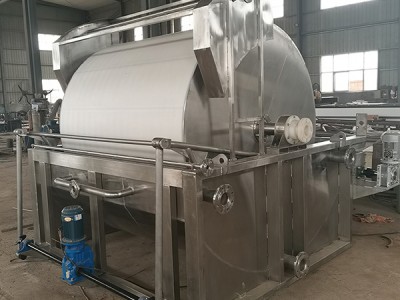
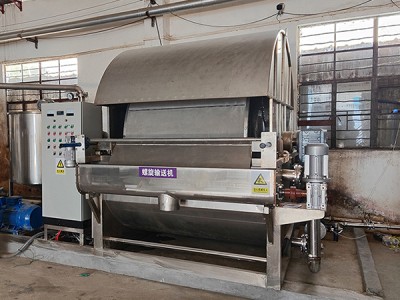
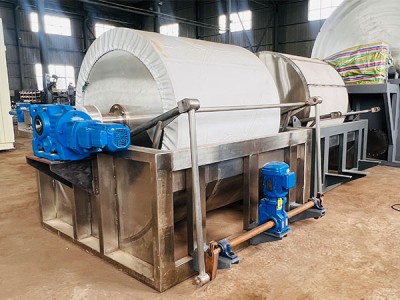
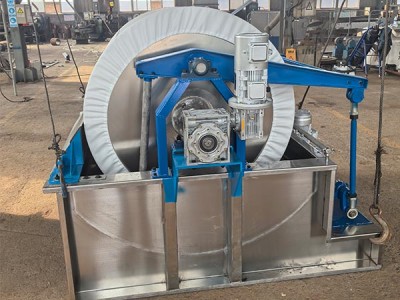
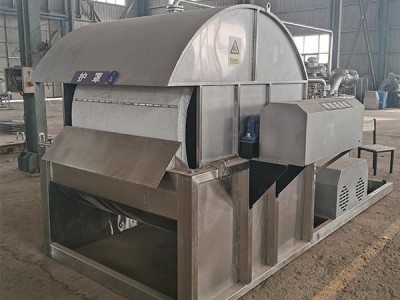
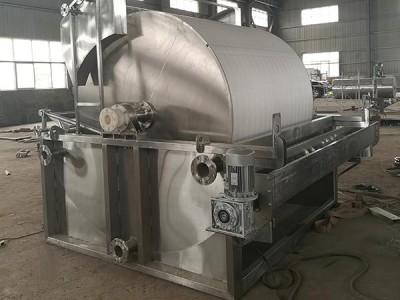
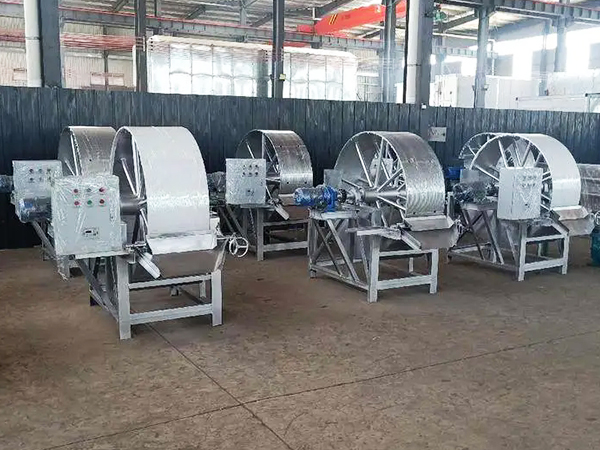
Bench Scale Rotary Vacuum Drum Filter
Bench Scale Rotary Vacuum Drum Filters serve as core solid-liquid separation equipment for lab R&D, pilot scale-up and small-batch production across chemical, pharmaceutical, environmental protection, food and other industries. Most buyers prioritize fundamental performance metrics such as filtration precision and throughput capacity during equipment selection. However, after prolonged operation, they find that ease of maintenance and long-term running costs ultimately determine the unit’s cost-performance ratio and practical value.
Unlike large industrial units, bench-scale filters are mainly deployed for laboratory research and small-batch production, featuring frequent startup cycles and rapid shifts between operating conditions. Poorly engineered maintenance structures will directly lead to production downtime, excessive consumable waste and soaring repair expenses — key evaluation criteria that professional buyers prioritize heavily during equipment selection.
I. Practical Maintenance Pain Points for Small-Scale Applications
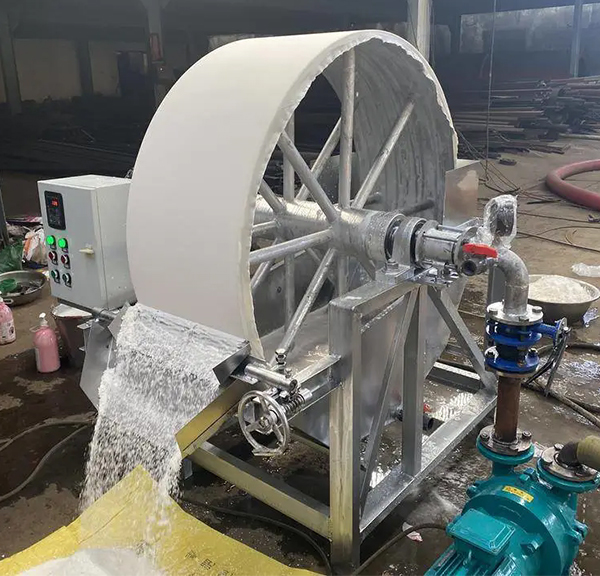
Bench scale rotary vacuum drum filters are mostly applied in laboratories and compact workshops, with common characteristics: operators are not dedicated maintenance staff, limited floor space, and tightly controlled budgets. Many customers who purchase low-cost standard models often encounter a series of operational troubles:
Complicated disassembly and assembly: Worn parts including filter cloth and seals are hard to replace, requiring skilled technicians for time-consuming commissioning;
Difficult cleaning: Intricate internal pipelines and filter chambers tend to trap residual materials, easily causing cross-contamination between batches;
Hard-to-source spare parts: Core components feature poor universal compatibility, leading to long lead times and high purchasing prices. Equipment breakdowns result in prolonged downtime and delayed R&D tests and production schedules.
These hidden costs far exceed the initial price gap of different units, which is why experienced purchasers no longer focus solely on upfront purchase prices.
Complicated disassembly and assembly: Worn parts including filter cloth and seals are hard to replace, requiring skilled technicians for time-consuming commissioning;
Difficult cleaning: Intricate internal pipelines and filter chambers tend to trap residual materials, easily causing cross-contamination between batches;
Hard-to-source spare parts: Core components feature poor universal compatibility, leading to long lead times and high purchasing prices. Equipment breakdowns result in prolonged downtime and delayed R&D tests and production schedules.
These hidden costs far exceed the initial price gap of different units, which is why experienced purchasers no longer focus solely on upfront purchase prices.
II. Three Optimization Advantages of Premium Units
To address the pain points outlined above, high-quality bench-scale rotary vacuum drum filters cut long-term operating costs through three dimensions: structural design, consumable parts and operational stability.
To address the pain points outlined above, high-quality bench-scale rotary vacuum drum filters cut long-term operating costs through three dimensions: structural design, consumable parts and operational stability.
1. Modular disassembly design for frequent condition switching
The whole machine adopts a split modular layout. Core components including the rotary drum, filter cloth, vacuum chamber and discharge scraper can be detached separately. No special tools are required, and regular operators can quickly complete disassembly, cleaning and part replacement. This design thoroughly eliminates the drawbacks of conventional integrated models, such as numerous hard-to-reach cleaning spots and cumbersome disassembly procedures. It effectively prevents test data deviation and batch contamination caused by residual materials, making it perfectly suited for lab R&D scenarios involving multiple materials and frequent process adjustments.
The whole machine adopts a split modular layout. Core components including the rotary drum, filter cloth, vacuum chamber and discharge scraper can be detached separately. No special tools are required, and regular operators can quickly complete disassembly, cleaning and part replacement. This design thoroughly eliminates the drawbacks of conventional integrated models, such as numerous hard-to-reach cleaning spots and cumbersome disassembly procedures. It effectively prevents test data deviation and batch contamination caused by residual materials, making it perfectly suited for lab R&D scenarios involving multiple materials and frequent process adjustments.
2. Universal, long-life consumables to cut long-term replacement expenses
Premium models eliminate custom proprietary consumables and adopt industry-standard universal fittings, greatly slashing spare part procurement costs and lead times. Filter cloths of diverse materials such as polyester and polypropylene are compatible to accommodate different feed properties, working well with both neutral and corrosive materials. Furthermore, the optimized filter cloth clamping structure reduces operational abrasion and extends the service life of consumable components.
Premium models eliminate custom proprietary consumables and adopt industry-standard universal fittings, greatly slashing spare part procurement costs and lead times. Filter cloths of diverse materials such as polyester and polypropylene are compatible to accommodate different feed properties, working well with both neutral and corrosive materials. Furthermore, the optimized filter cloth clamping structure reduces operational abrasion and extends the service life of consumable components.
3. Stable structure requiring infrequent maintenance to mitigate downtime risks
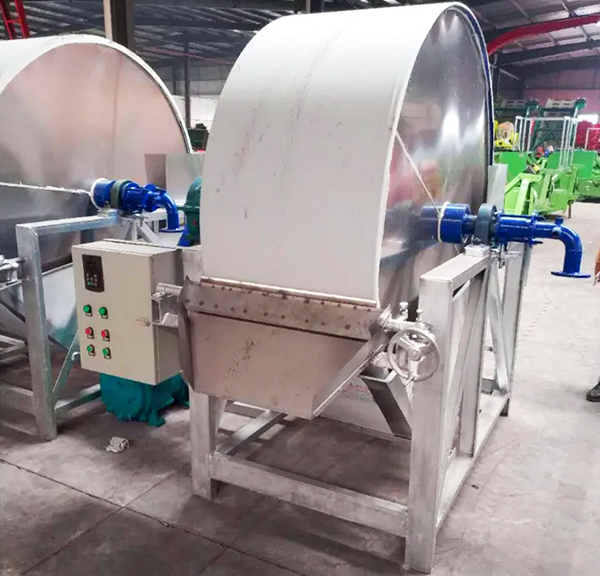
Vacuum pipelines feature smooth curved profiles to minimize clogging issues from accumulated feed materials.
Precision welding delivers reliable sealing to prevent vacuum leakage, eliminating the need for frequent calibration.
Key components including motors and vacuum pumps are fitted with overload protection systems for steady operation and low failure rates.
A simple visual control panel displays real-time parameters such as vacuum pressure and drum rotating speed. Operators can swiftly troubleshoot minor malfunctions without assistance from professional maintenance technicians.
Vacuum pipelines feature smooth curved profiles to minimize clogging issues from accumulated feed materials.
Precision welding delivers reliable sealing to prevent vacuum leakage, eliminating the need for frequent calibration.
Key components including motors and vacuum pumps are fitted with overload protection systems for steady operation and low failure rates.
A simple visual control panel displays real-time parameters such as vacuum pressure and drum rotating speed. Operators can swiftly troubleshoot minor malfunctions without assistance from professional maintenance technicians.
Selection Conclusion: Compatibility Matters More Than Technical Parameters
When making purchasing decisions for bench-scale rotary vacuum drum filters, the upfront price only accounts for basic initial expenditure. Low maintenance workload, minimal hidden expenses and high operational stability represent the core long-term value of the equipment.
When making purchasing decisions for bench-scale rotary vacuum drum filters, the upfront price only accounts for basic initial expenditure. Low maintenance workload, minimal hidden expenses and high operational stability represent the core long-term value of the equipment.
This is especially critical for research-focused enterprises, laboratories and small-scale production workshops. Units that demand infrequent maintenance, support universal consumables, and enable easy operation and cleaning can simultaneously secure consistent test data and uninterrupted production, effectively controlling long-term operational expenses.
In summary, buyers should not blindly chase ultra-high specifications or rock-bottom prices during selection. Instead, focus on the equipment’s maintenance adaptability. Opt for units featuring modular easy-clean construction, universal consumable compatibility, and a robust, long-lasting structure. This approach delivers maximum cost-performance and fully meets long-term operation demands for lab trials, pilot scale-up, and small-batch production.