 English
 日本
日本 한국인
한국인 Français
 Deutsch
 español
 Italiano
 Portugal
 Việt Nam
 türkiye
 عرب
عرب Русский
 čeština
 แบบไทย
 Eesti
Eesti Gaeilge
 Hmoob
Hmoob íslenskur
 Cymraeg
 български
 اردو
اردو Polski
 Hrvatski
 українська
 bosanski
 فارسی
فارسی lietuvių
 latviski
 עִברִית
 Română
 Ελληνικά
 dansk
dansk Magyar
 norsk
norsk Suomalainen
 Nederlands
 svenska
 slovenský
 Slovenščina
 हिंदी
हिंदी Indonesia
 Melayu
 Malti
Malti Kreyòl ayisyen
 català
 বাংলা
বাংলা Српски
 o'zbek

Advanced Ceramic Disk Filter for Mining, New Energy, Chemical and Environmental Applications
Traditional filtration equipment, including cloth vacuum disc filters, filter presses, and centrifuges, has been widely used for many years. However, problems such as frequent filter cloth replacement, high maintenance costs, high energy consumption, and unstable filtrate quality continue to limit production efficiency.
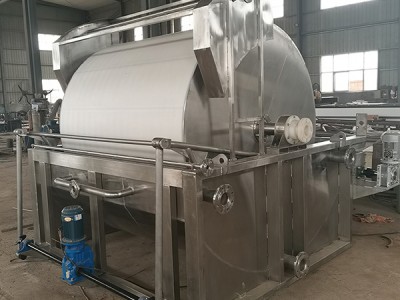
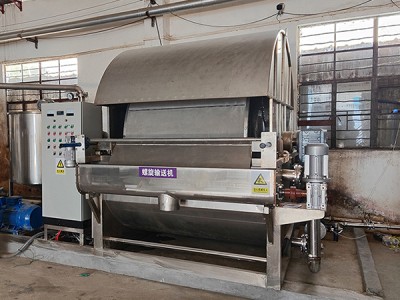
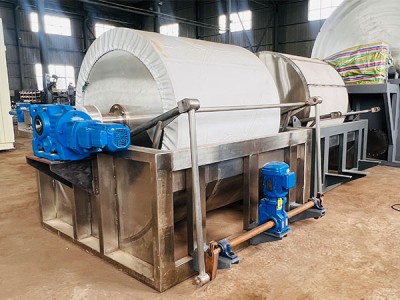
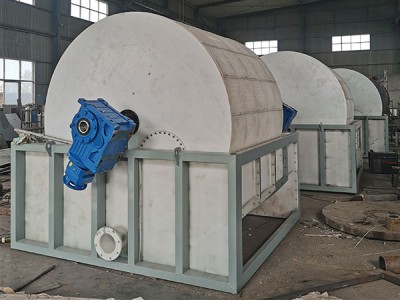
As a professional ceramic disk filter manufacturer, we provide advanced ceramic vacuum filtration solutions based on porous ceramic filtration technology. Featuring a filter cloth-free structure, low operating cost, high filtration efficiency, and automatic continuous operation, our ceramic disk filters are widely used in mining, lithium battery, chemical, and environmental industries.
We continuously optimize ceramic filter plate materials, equipment structure, and intelligent control systems to provide reliable and customized solid-liquid separation and dewatering solutions for customers worldwide.
How Does a Ceramic Disk Filter Work?
The core innovation of the ceramic disk filter is the replacement of traditional filter cloth with high-purity alumina ceramic filter plates.
The ceramic plates are manufactured through a high-temperature sintering process, creating numerous interconnected micron-sized pores inside the filtration medium. These micropores utilize capillary filtration principles to achieve efficient solid-liquid separation.
During operation, the ceramic discs rotate partially inside the slurry tank. The vacuum system generates negative pressure inside the ceramic filter plates, allowing liquid to pass through the micropores and become filtrate, while solid particles remain on the ceramic surface to form a filter cake.
As the filter discs rotate continuously, the filter cake enters the drying zone where additional dewatering reduces moisture content. When reaching the discharge area, low-pressure air backwashing removes the filter cake from the ceramic surface. The ceramic plates are then automatically cleaned with water to restore permeability and maintain stable filtration performance.
This advanced process enables 24-hour continuous automatic operation with high filtration efficiency and reliable dewatering performance.
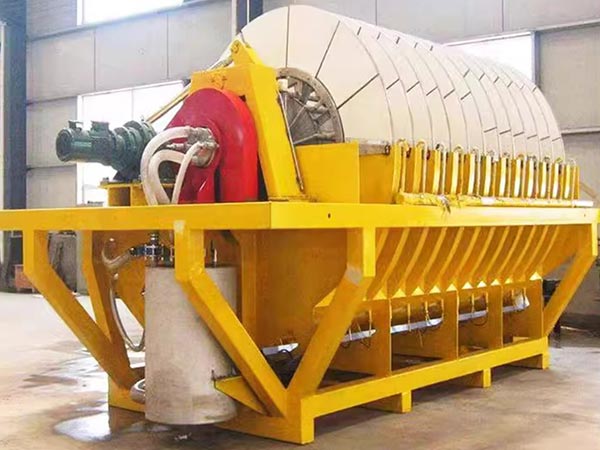
Key Advantages of Ceramic Disk Filters Compared with Traditional Filtration Equipment
Traditional cloth vacuum filters require regular replacement of filter cloth due to wear, clogging, and chemical corrosion.
The ceramic filter plate used in ceramic disk filters offers excellent wear resistance and corrosion resistance, with a service life that can reach several years under normal operating conditions.
This significantly reduces:
Equipment downtime
Maintenance workload
Production interruptions
Compared with conventional filtration equipment, ceramic vacuum disc filters provide more stable dewatering performance.
The processed filter cake achieves lower moisture content, which helps:
Reduce energy consumption during subsequent drying processes
Lower fuel and electricity costs
Improve material transportation efficiency
Reduce environmental pollution caused by water leakage during transportation
The microporous ceramic filtration medium provides excellent filtration accuracy.
The generated filtrate features:
Low suspended solids content
High clarity
Better recyclability
In industries such as lithium extraction and chemical production, filtered liquid can often be returned to upstream processes, improving resource utilization and reducing wastewater discharge.
Modern automatic ceramic disk filters are equipped with intelligent control systems to monitor:
Vacuum pressure
Disc rotation speed
Slurry tank level
Cleaning water pressure
When abnormal conditions occur, such as ceramic plate blockage or vacuum system failure, the system automatically alarms and records operation data.
Operators can complete equipment startup, shutdown, and parameter adjustments through the control room, reducing labor requirements and supporting continuous unmanned operation.
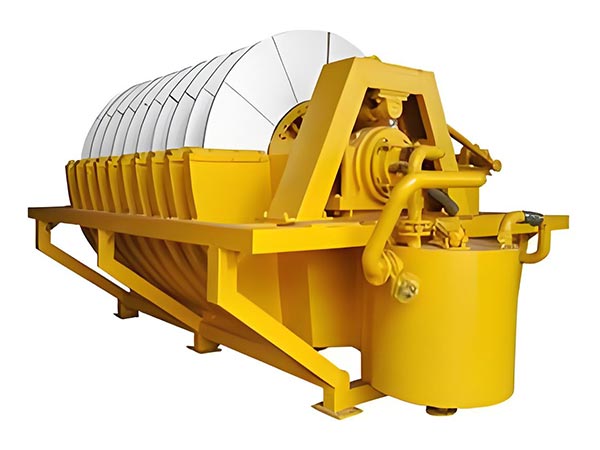
Ceramic Disk Filter for Mining and Mineral Processing
Mining is one of the most important application fields for ceramic vacuum filters.
They are widely used for:
Copper concentrate dewatering
Zinc concentrate filtration
Iron ore concentrate processing
Lead-zinc beneficiation
Mineral tailings treatment
In lead-zinc beneficiation plants, ceramic disk filters can replace traditional cloth vacuum disc filters. The long service life of ceramic filter plates reduces consumable costs while improving concentrate dewatering performance.
The rapid development of the new energy industry has expanded the application of ceramic disk filters for lithium slurry filtration.
During lithium extraction from salt lakes and lithium iron phosphate (LFP) production, large amounts of fine particle slurry are generated.
These materials often have:
Ultra-fine particle size
High solid concentration
Acid or alkaline corrosion characteristics
To meet these requirements, we optimize:
Corrosion-resistant equipment structures
Ceramic plate pore distribution
Filtration system design
Our ceramic vacuum filtration systems for lithium battery materials help improve lithium recovery efficiency, reduce wastewater discharge, and support green manufacturing.
Chemical production often requires stable filtration equipment capable of handling corrosive materials.
Ceramic disk filters provide advantages including:
Corrosion resistance
Stable filtration performance
Low maintenance requirements
Continuous operation capability
They are suitable for chemical slurry separation and material recovery processes.
With increasingly strict environmental regulations, industries require more efficient sludge and wastewater treatment solutions.
Ceramic disk filters help achieve:
Efficient sludge dewatering
Reduced water content
Lower disposal costs
Improved water recycling efficiency
Many customers make selection decisions based only on filtration area, while overlooking important operating conditions.
A suitable ceramic disk filter model should be selected according to:
Slurry concentration
Particle size distribution
Material characteristics
pH value
Required processing capacity
Filtrate recovery requirements
Ceramic disk filters are available in different specifications, ranging from laboratory-scale units to large industrial filtration systems with hundreds of square meters of filtration area.
Oversized equipment may increase:
Initial investment
Power consumption
Operating costs
Undersized equipment may fail to meet production requirements.
For neutral slurry applications:
Carbon steel frame
304 stainless steel slurry tank
are commonly selected.
For acidic or alkaline corrosive materials:
Stainless steel structure
Anti-corrosion coating
Customized materials
are recommended to ensure long-term stable operation.
To ensure accurate selection, we provide slurry testing services.
Customers can send material samples for simulated filtration tests. Based on actual testing results, we recommend the most suitable ceramic vacuum disc filter model, helping customers achieve the best balance between investment cost, energy consumption, and production capacity.
High-purity alumina ceramic filter plates
Filter cloth-free operation
Automatic ceramic plate cleaning system
Continuous vacuum filtration process
Intelligent PLC control system
Low energy consumption design
Customized corrosion-resistant structure
Suitable for various industrial slurry applications
With global environmental standards becoming increasingly strict, industries are focusing more on energy efficiency, water conservation, and sustainable production.
Traditional filtration equipment with high consumable costs and high maintenance requirements will gradually be replaced by more efficient technologies.
With advantages including:
Energy saving
Low maintenance cost
Long service life
Recyclable filtrate
Automated operation
The demand for ceramic disk filters will continue to grow in mining, new energy, chemical processing, and environmental protection industries.
We continue to improve ceramic media regeneration technology, optimize equipment energy efficiency, and develop customized ceramic disk filter solutions to help global industries achieve greener and more efficient solid-liquid separation.