 English
 日本
日本 한국인
한국인 Français
 Deutsch
 español
 Italiano
 Portugal
 Việt Nam
 türkiye
 عرب
عرب Русский
 čeština
 แบบไทย
 Eesti
Eesti Gaeilge
 Hmoob
Hmoob íslenskur
 Cymraeg
 български
 اردو
اردو Polski
 Hrvatski
 українська
 bosanski
 فارسی
فارسی lietuvių
 latviski
 עִברִית
 Română
 Ελληνικά
 dansk
dansk Magyar
 norsk
norsk Suomalainen
 Nederlands
 svenska
 slovenský
 Slovenščina
 हिंदी
हिंदी Indonesia
 Melayu
 Malti
Malti Kreyòl ayisyen
 català
 বাংলা
বাংলা Српски
 o'zbek

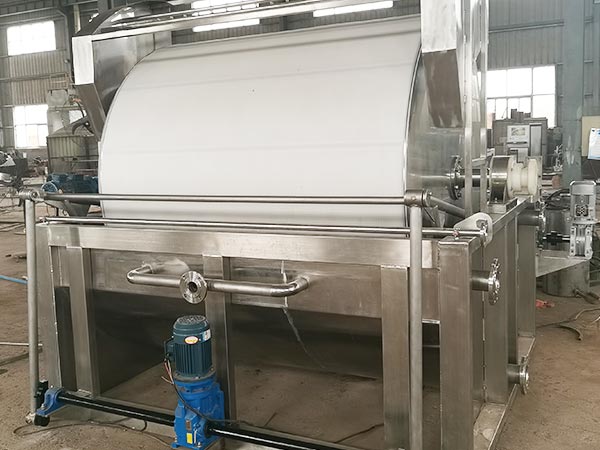
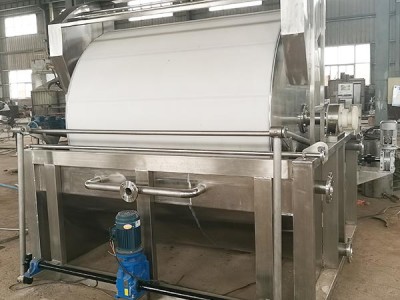
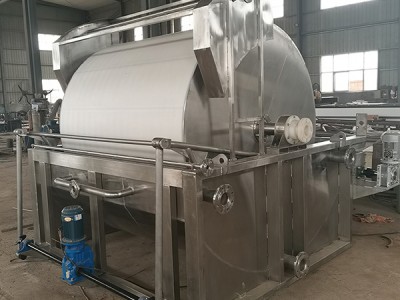
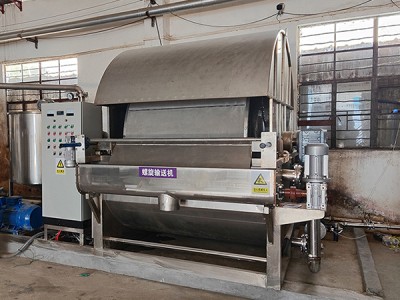
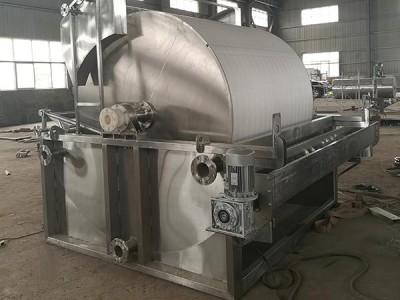
The stainless steel filter is a continuous solid-liquid separation device primarily driven by vacuum negative pressure and constructed from stainless steel. It is widely used in industries such as food, pharmaceuticals, and chemicals that demand high standards of hygiene and corrosion resistance.
Working Principle:
Based on the synergistic effect of vacuum negative pressure adsorption combined with continuous drum rotation, a complete working cycle is achieved with each full rotation.
Phase | Working process | Key parameters |
Filtering stage | The filter cloth on the surface of the drum comes into contact with the slurry, and the filtrate passes through the filter cloth under vacuum and enters the channel inside the drum. Solid particles form a filter cake | Vacuum degree 0.04-0.08MPa, drum speed 0.1-10r/min |
Washing stage | Spray washing solution on the surface of the filter cake to replace residual mother liquor and improve product purity | Can perform single-stage or multi-stage countercurrent washing |
Dehydration stage | Continue to evacuate and reduce the moisture content of the filter cake | The vacuum degree in the drying area remains stable |
Unloading stage | Peel off the filter cake from the filter cloth using a scraper, folding tape, or roller | The gap between the scraper and the filter cloth is 0.5-1.5mm |
Regeneration stage | The filter cloth is cleaned or backblown to restore its filtering performance | Optional ultrasonic cleaning system |
Advantages of Stainless Steel Filters:
Continuous Operation: Suitable for large-scale, extended-duration processes;
High Automation: PLC integration reduces manual intervention;
Corrosion-Resistant Materials: Stainless steel construction withstands acidic, alkaline, and organic solvent environments;
Versatile Adaptability: Processes slurries of varying concentrations, viscosities, and particle sizes;
Integrated Washing/Drying Capabilities: Enhances product quality.
Material Upgrade:
Corrosion Resistance + Food Safety, Suitable for Demanding Conditions
The main body is forged from premium 304/316L stainless steel. Resistant to acids, alkalis, salt spray, and high temperatures, it handles corrosive/high-cleanliness materials like chemical acids/alkalis, food slurries, and metallurgical tailings without secondary contamination risks.
Surface undergoes polishing/passivation treatment, meeting food contact standards and industrial environmental regulations. Prevents material residue and equipment corrosion, extending service life.
Selection Considerations
Material Compatibility
Key parameters such as particle size, suspension concentration, material viscosity, and chemical corrosiveness must be prioritized to ensure equipment aligns with material characteristics.
Precise Capacity Matching
Determine drum specifications and optimal operating speed based on actual hourly/daily processing requirements to guarantee production capacity meets standards.
Filter Cake Moisture Content Control
The target moisture standard directly influences vacuum setting parameters and the optimized design of the drying zone length. Process requirements must be clearly defined in advance.
Filter Cake Washing Requirements
If the process involves filter cake washing or purification steps, a spray washing system must be designed to meet material purity specifications.
Material Selection for Contact Surfaces
Based on the corrosive strength of the material medium, select 304 stainless steel, 316L corrosion-resistant stainless steel, or higher-grade special alloy materials to extend equipment service life.
Explosion-Proof Rating Adaptation
For flammable and explosive operating environments, select explosion-proof motors and supporting control systems compliant with international/domestic industry standards to ensure production safety.
Typical Applications:
Food Industry: Widely used in starch purification, protein separation, yeast filtration, and juice clarification processes;
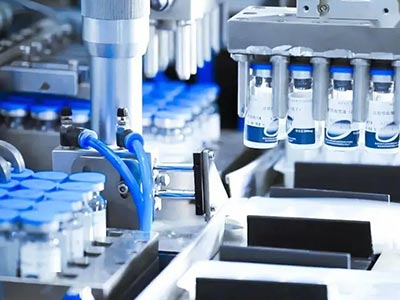
Pharmaceutical Industry: Meets the demanding solid-liquid separation requirements for antibiotics, vitamins, and active ingredient extracts from traditional Chinese medicine;
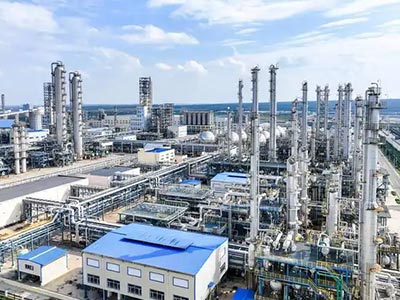
Chemical Industry: Precise filtration processes for calcium carbonate, aluminum hydroxide, barium sulfate, and other inorganic salts;
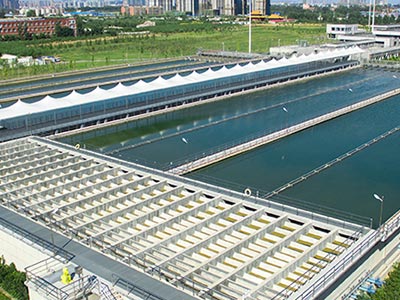
Environmental Engineering: Deep sludge dewatering and sediment recovery/reuse in industrial wastewater treatment;
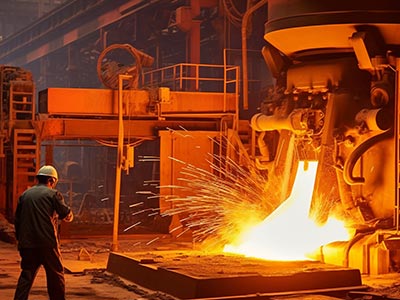
Metallurgy & Mining: Customized solutions for concentrate enrichment and tailings dewatering.
Maintenance and Care Guidelines for Stainless Steel Filters:
Daily Maintenance:
Check vacuum level and filtrate flow rate. Promptly investigate leaks or blockages when abnormalities occur.
Regularly clean filter cloths to prevent clogging and extend service life.
Lubricate the transmission system to ensure smooth operation.
Periodic Maintenance:
Monthly inspection of distributor head sealing surfaces; promptly replace seals if worn.
Quarterly inspection of drum wall thickness to prevent corrosion perforation.
Annual complete disassembly inspection and overhaul; replace aged components.
Common Troubleshooting Procedures:
Fault Symptoms | Possible causes | Recommended Treatment Method |
Vacuum pressure drops sharply | Distribution Head Seal Failure / Filter Cloth Damage | Immediately shut down the machine, inspect the O-ring on the distribution head, and replace the damaged filter cloth. |
Difficulty in filter cake separation | Insufficient backflush pressure/Excessive blade gap | Adjust the reverse-blow pressure to 0.5 MPa and fine-tune the scraper gap to 0.8 mm. |
Abnormal noise from the drum | Bearing oil shortage/foreign object ingress | Shut down the machine to inspect bearing lubrication, remove foreign objects, and replenish the specified lubricant. |
Sudden power outage | Power grid failure | Manually release system pressure to flush residual material and prevent solidification blockages. |
Stainless steel filter machines have become the preferred equipment for modern solid-liquid separation due to their continuous automation, high separation efficiency, excellent corrosion resistance, and hygienic properties. They are particularly well-suited for industrial applications with stringent requirements for product quality and production environments.
Hot Tags: