 English
 日本
日本 한국인
한국인 Français
 Deutsch
 español
 Italiano
 Portugal
 Việt Nam
 türkiye
 عرب
عرب Русский
 čeština
 แบบไทย
 Eesti
Eesti Gaeilge
 Hmoob
Hmoob íslenskur
 Cymraeg
 български
 اردو
اردو Polski
 Hrvatski
 українська
 bosanski
 فارسی
فارسی lietuvių
 latviski
 עִברִית
 Română
 Ελληνικά
 dansk
dansk Magyar
 norsk
norsk Suomalainen
 Nederlands
 svenska
 slovenský
 Slovenščina
 हिंदी
हिंदी Indonesia
 Melayu
 Malti
Malti Kreyòl ayisyen
 català
 বাংলা
বাংলা Српски
 o'zbek

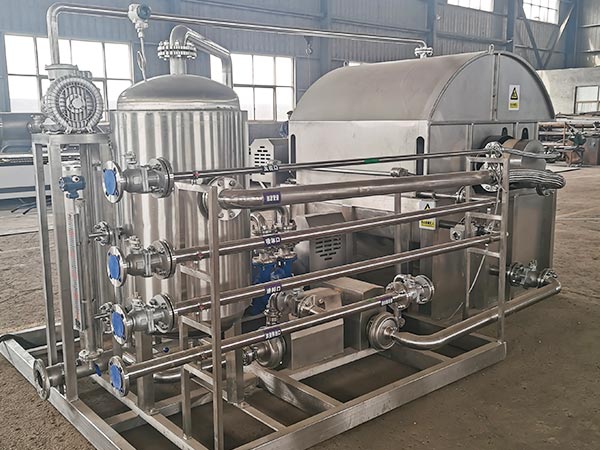
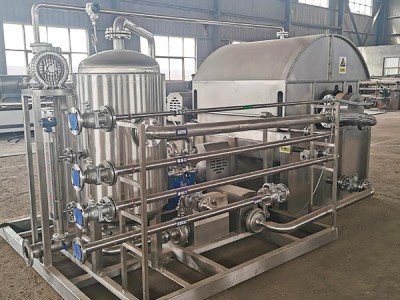
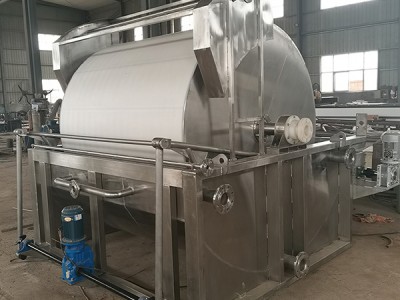
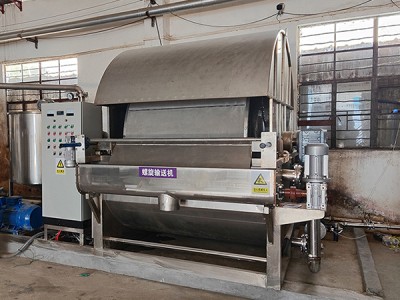
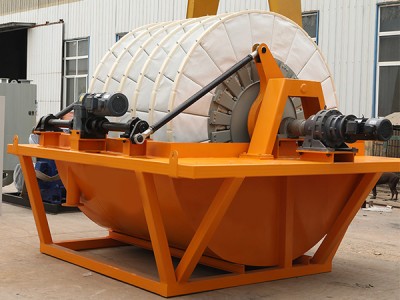
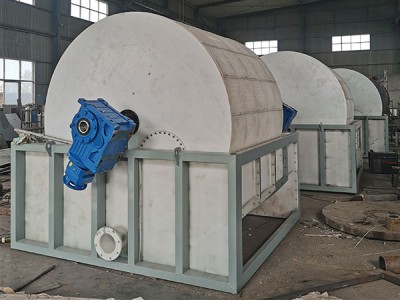
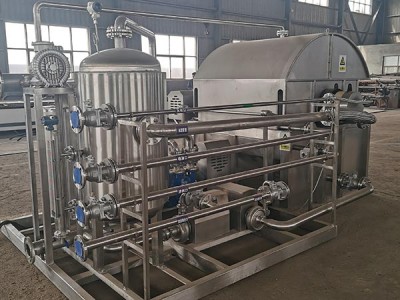
Wine vacuum filter
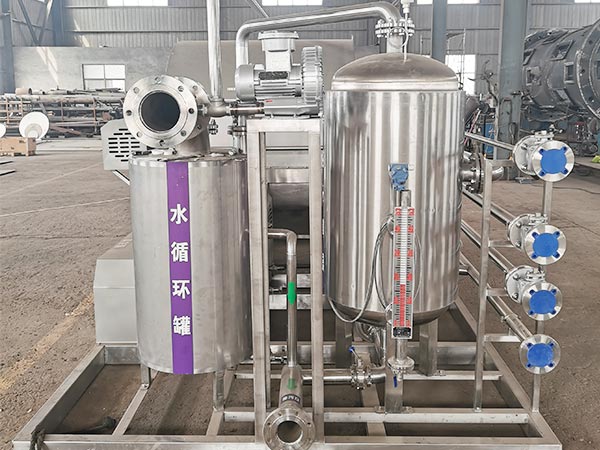
The Wine vacuum filter is a device that utilizes vacuum suction to separate solids from liquids in wine through a filtration medium. Its drum section is immersed in the wine, creating a vacuum inside the drum that draws the wine liquid inward. As the wine passes through the filtration medium, suspended particles, yeast, bacteria, and other impurities are effectively removed, enhancing the wine's clarity and stability.
Why is wine filtration necessary?
Purpose of wine filtration:
√ Enhance clarity: Remove suspended particles, lees, and yeast to achieve a more transparent appearance.
√ Improve stability: Reduce the risk of re-clouding or sedimentation during subsequent storage.
√ Microbial control: Reduces levels of microorganisms like lactic acid bacteria, acetic acid bacteria, and wild yeasts to prevent secondary fermentation or spoilage.
√ Improve palate and aroma: Filters out coarse particles for a smoother mouthfeel and purer aromas.
√ Meet production standards: Many wineries or export markets have specific requirements for wine clarity and microbial indicators.
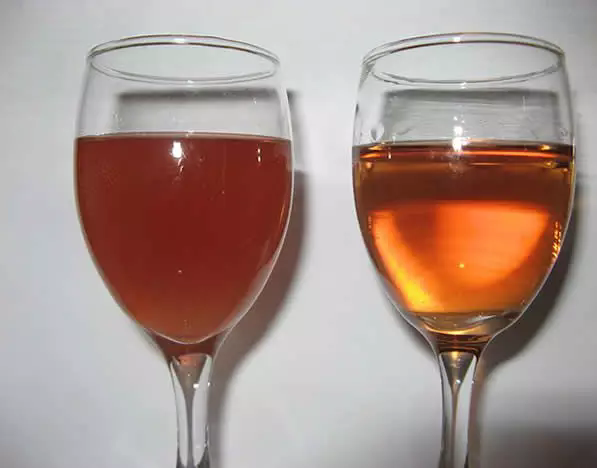
How to Minimize Losses During Wine Filtration:
The following measures effectively reduce wine loss while ensuring filtration efficacy.
1. Select the Right Filtration Method: Choose appropriate precision based on wine clarification needs. Membrane filtration suits small batches, while plate-and-frame or diatomaceous earth filtration is recommended for large volumes.
2. Optimize Equipment: Use low-residue, sealed systems to minimize dead spots in piping. Pre-wet filter media with wine or water before filtration to reduce adsorption.
3. Control Operating Parameters: Maintain moderate pressure and temperature to enhance flowability, preventing clogging or excessive retention.
4. Recover Residual Wine: After filtration, purge the system with food-grade nitrogen or collect and refilter settled pre-filtrate.
5. Maintenance and Training: Regularly clean equipment, inspect seals, and ensure operators are thoroughly familiar with procedures to prevent errors.
How to Minimize Losses During Wine Filtration
The following measures effectively reduce wine loss while ensuring filtration efficacy.
1. Select the Right Filtration Method: Choose appropriate precision based on wine clarification needs. Membrane filtration suits small batches, while plate-and-frame or diatomaceous earth filtration is recommended for large volumes.
2. Optimize Equipment: Use low-residue, sealed systems to minimize dead spots in piping. Pre-wet filter media with wine or water before filtration to reduce adsorption.
3. Control Operating Parameters: Maintain moderate pressure and temperature to enhance flowability, preventing clogging or excessive retention.
4. Recover Residual Wine: After filtration, purge the system with food-grade nitrogen or collect and refilter settled pre-filtrate.
5. Maintenance and Training: Regularly clean equipment, inspect seals, and ensure operators are thoroughly familiar with procedures to prevent errors.
Strategies to Effectively Reduce Wine Filtration Losses:
1. Select appropriate filtration precision: Avoid over-filtration by adopting a staged approach of coarse filtration + fine filtration to minimize clogging and adsorption losses;
2. Optimize pre-coating process: Control pre-coating volume between 1-3 kg/m², ensuring uniformity to prevent subsequent wine adsorption or clogging due to excessively thin layers.
3. Maintain stable vacuum pressure and drum rotation speed: Keep vacuum pressure steady at -0.06 to -0.08 MPa and rotation speed at 0.5-2 rpm to enhance filtration efficiency and minimize residual liquid.
4. Maintain stable feed rate: Prevent drum overflow to minimize air entrainment and filtration fluctuations.
5. Fully recover residual liquid: Use backflushing, rinsing, or inert gas displacement to expel trapped liquid from equipment.
6. Reduce downtime frequency: Optimize pre-coating, perform timely backflushing, and control wine turbidity to minimize stoppages and residual liquid loss due to clogging.
7. Select appropriate filter aids and media: Use low-adsorption aids, prevent moisture-induced caking, and apply cardboard filtration judiciously based on wine quality.
8. Maintain equipment integrity: Regularly clean drums, filter chambers, and piping; inspect seals and vacuum pumps; calibrate instruments to ensure stable vacuum levels.
9. Enhance pre-filtration clarity: Reduce turbidity through settling, centrifugation, or fining to minimize filter aid consumption and filtration resistance.
Maintenance Techniques to Ensure Wine Clarification Effectiveness
Pre-treat wine
Fully clarify and cold-stabilize to reduce impurities and tartrate precipitation, preventing filter media clogging.
Select appropriate filter media
Choose precision based on requirements, avoid over-filtration, and promptly replace clogged filter cartridges.
Thoroughly clean and disinfect
Rinse with alkali-acid-sterile water after each use, disinfect regularly, and inspect seals for aging.
Standardize operation
Pre-wet filter media before filtration, maintain stable pressure, avoid dry running or overpressure.
Post-filtration maintenance
Clean immediately after use; dry thoroughly or store with nitrogen during long-term shutdown.
Maintain records
Track pressure, flow rate, filtration volume, and filter media type for traceability.
By selecting appropriate filtration media, optimizing operating parameters, and maintaining equipment in good condition, losses during the filtration process can be minimized while ensuring wine clarity and stability. Wine Vacuum drum filters, with their continuous operation, high throughput, and excellent clarification effects, are indispensable key equipment in wine production. Proper use and maintenance not only reduce losses but also effectively enhance wine quality, bringing higher economic benefits to wineries.
Hot Tags: