 English
 日本
日本 한국인
한국인 Français
 Deutsch
 español
 Italiano
 Portugal
 Việt Nam
 türkiye
 عرب
عرب Русский
 čeština
 แบบไทย
 Eesti
Eesti Gaeilge
 Hmoob
Hmoob íslenskur
 Cymraeg
 български
 اردو
اردو Polski
 Hrvatski
 українська
 bosanski
 فارسی
فارسی lietuvių
 latviski
 עִברִית
 Română
 Ελληνικά
 dansk
dansk Magyar
 norsk
norsk Suomalainen
 Nederlands
 svenska
 slovenský
 Slovenščina
 हिंदी
हिंदी Indonesia
 Melayu
 Malti
Malti Kreyòl ayisyen
 català
 বাংলা
বাংলা Српски
 o'zbek

Applications of Ceramic vacuum filters:
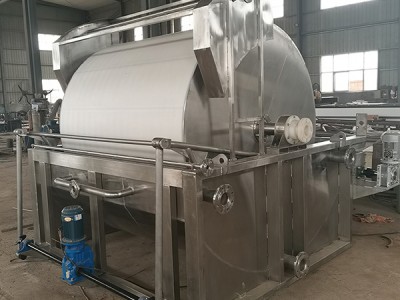
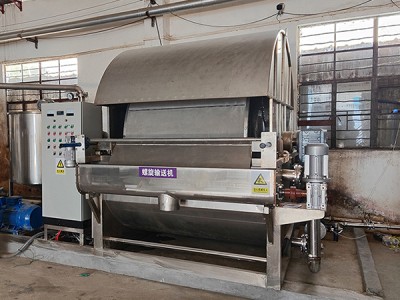
Ceramic vacuum filters demonstrate broad application potential in the field of industrial separation, with their core advantage lying in their highly efficient and stable solid-liquid separation capabilities. This equipment is suitable for a wide range of industrial applications, particularly in the chemical, pharmaceutical, and food processing industries, where it delivers outstanding performance.
Chemical Industry: Ceramic vacuum disc filters are commonly used to process suspensions containing fine particles or high-viscosity media, such as in the recovery of catalysts and the separation of dye intermediates.
Pharmaceutical Industry: Leveraging their high-purity characteristics, these filters are used to treat waste liquids generated during biopharmaceutical processes or for the extraction of active ingredients.
Food Processing: Ceramic vacuum disc filters are frequently employed for the clarification and impurity removal of liquids such as fruit juices and milk. Their contamination-free and residue-free properties ensure compliance with food safety standards.
Technical Advantages of Ceramic vacuum filter
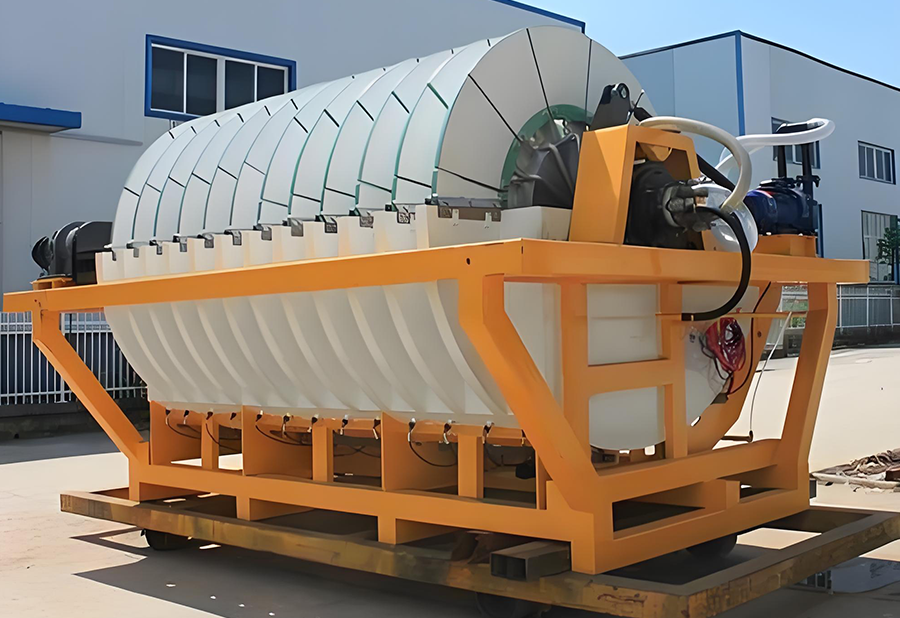
The core advantages of ceramic vacuum disc filters lie in their innovative design, which integrates advanced materials with structural engineering.
Exceptional Wear Resistance and Durability:
The core filtration medium is made of ceramic material, offering extremely high wear resistance and corrosion resistance. It can reliably withstand harsh operating conditions such as strong acids, strong alkalis, and high temperatures, and remains unaffected by complex media.
Key components are made of high-strength, premium materials and manufactured with precision, ensuring strong long-term operational stability, low failure rates, and a service life far exceeding that of traditional filtration equipment.
High Efficiency, Energy Savings, and Easy Maintenance
The combination of rotating filter discs and a vacuum system enables continuous solid-liquid separation, significantly improving filtration efficiency while reducing energy consumption.
The modular design simplifies disassembly, cleaning, and maintenance procedures, eliminating the need for complex operations and significantly lowering equipment operating and maintenance costs.
High-Efficiency Separation and High Throughput
The unique microporous structure of the ceramic filter plates precisely intercepts solid particles while ensuring smooth liquid permeation, resulting in high separation precision and low moisture content in the filter cake.
The equipment offers high throughput to meet the demands of large-scale industrial production. Compared to traditional plate-and-frame filter presses and centrifuges, it provides superior continuous operational stability and eliminates the need for frequent shutdowns for adjustments.
Intelligent Control, Reduced Manual Intervention
Equipped with a fully automated intelligent control system, it enables automated regulation of the filtration process, real-time status monitoring, and fault alerts. This reduces reliance on manual operations, lowers labor costs, and simultaneously enhances operational safety and process stability.
Maintenance and Optimization of Ceramic Vacuum Disc Filters
To ensure the long-term stable operation of Ceramic vacuum filters, proper maintenance and optimization are essential.
1. Regularly inspect the wear condition of the filter discs and replace damaged parts promptly;
2. Calibrate the pressure and flow rate of the vacuum system regularly to ensure it operates at optimal performance;
3. Clean the filter media using mild detergents to avoid corroding the ceramic surface;
4. Optimize operating parameters by adjusting the rotational speed and vacuum level to further improve filtration efficiency;
5. Customize the pore size and structure of the filter discs based on the characteristics of different media to achieve optimal separation results.
Future Development Trends of Ceramic vacuum filter
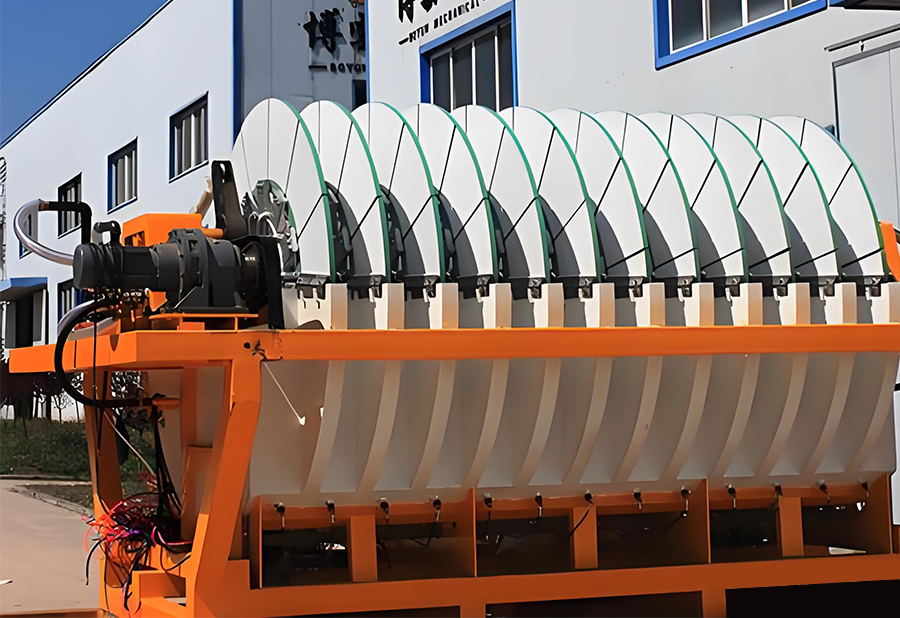
With the continuous advancement of industrial technology, Ceramic vacuum filters are evolving toward greater intelligence and automation. By integrating advanced sensors and control systems, these filters enable real-time monitoring of the filtration process and automatic adjustment of parameters, further enhancing operational efficiency. The application of new materials, such as high-strength ceramic composites, will further improve the equipment’s wear and corrosion resistance, thereby expanding its scope of application. The development of intelligent maintenance systems can predict equipment failures, reduce downtime, and enhance production stability. Additionally, the introduction of energy-saving technologies, such as high-efficiency vacuum pumps and variable-frequency drive systems, will lower energy consumption and align with the trend toward green manufacturing. These trends indicate that Ceramic vacuum filters will play an increasingly significant role in the field of industrial separation in the future.
As a highly efficient solid-liquid separation device, the Ceramic vacuum filter holds broad application prospects in the chemical, metallurgical, and pharmaceutical industries. With continuous technological advancements and growing market demand, this equipment will continue to be refined and optimized. When selecting solid-liquid separation equipment, the ceramic vacuum disc filter is undoubtedly a worthy option to consider.