 English
 日本
日本 한국인
한국인 Français
 Deutsch
 español
 Italiano
 Portugal
 Việt Nam
 türkiye
 عرب
عرب Русский
 čeština
 แบบไทย
 Eesti
Eesti Gaeilge
 Hmoob
Hmoob íslenskur
 Cymraeg
 български
 اردو
اردو Polski
 Hrvatski
 українська
 bosanski
 فارسی
فارسی lietuvių
 latviski
 עִברִית
 Română
 Ελληνικά
 dansk
dansk Magyar
 norsk
norsk Suomalainen
 Nederlands
 svenska
 slovenský
 Slovenščina
 हिंदी
हिंदी Indonesia
 Melayu
 Malti
Malti Kreyòl ayisyen
 català
 বাংলা
বাংলা Српски
 o'zbek

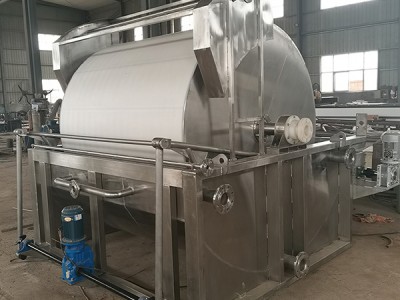
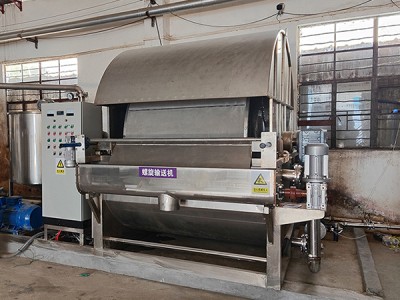
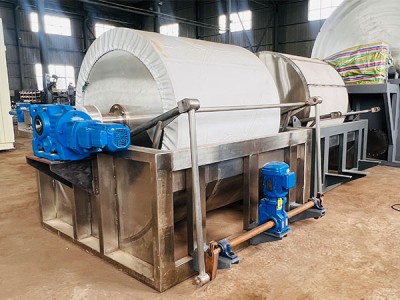
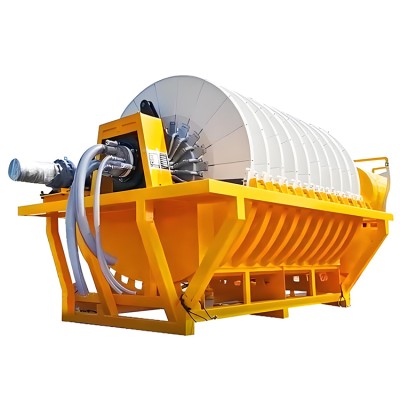
What is a ceramic vacuum disc filter?
A ceramic vacuum disc filter is a common type of solid‑liquid separation equipment used primarily to remove solid particles or impurities from liquids. It operates on the principle of physical filtration, utilizing the microporous structure of ceramic materials to achieve high‑precision solid‑liquid separation. Widely employed in industries such as mining, chemical processing, environmental protection, food production, and pharmaceuticals, it is particularly well‑suited for handling high‑viscosity or easily clogging slurries, as well as applications requiring highly efficient liquid clarification.
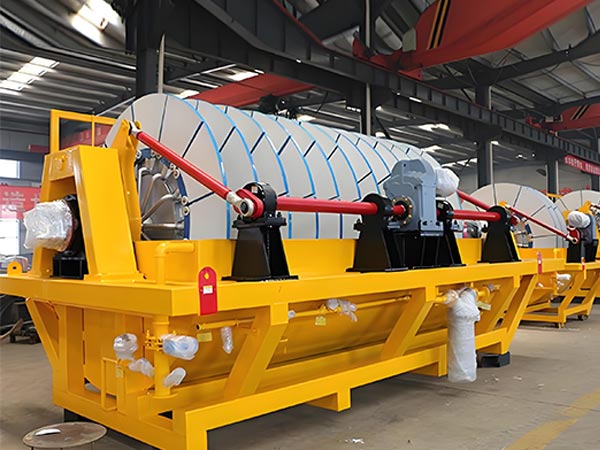
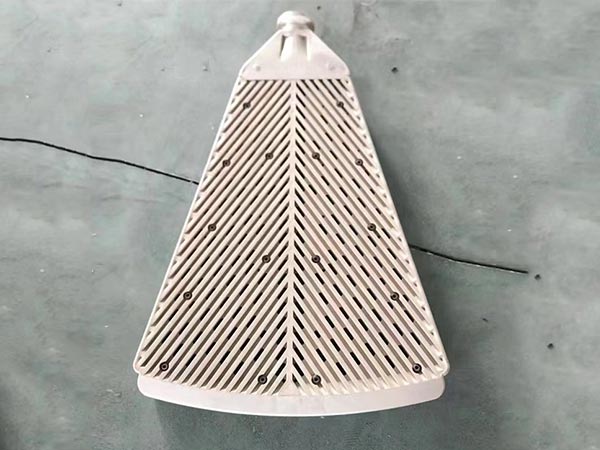
During the operation of a ceramic vacuum disc filter, clogging of the ceramic filter plates can occur. Only by understanding the causes of this clogging can effective and targeted solutions be implemented. Let’s take a closer look at these causes.
I. Analysis of Clogging Causes
1. Material Properties
· Solid particle size:
An excessive amount of fine particles in the material can easily enter the microporous structure of the ceramic filter plates, causing clogging. For example, in the mineral processing industry, if fine-grained minerals in the slurry are not subjected to pre-classification and enter the filtration system directly, they can accumulate in large quantities within the filter plate pores.
· Material viscosity:
High‑viscosity materials have poor fluidity, making them difficult to pass through the filter plates and prone to adhering to the plate surface, where gradual accumulation leads to clogging. In some chemical slurries, for instance, viscosity increases as the reaction proceeds, raising the likelihood of blockages.
· Chemical properties of the material:
Certain components in the material may undergo chemical reactions during filtration, producing precipitates or crystalline substances that clog the filter plates. In hydrometallurgy, for example, metal ions in the solution may react with other substances to form insoluble compounds that deposit on the filter plates.
2. Filtration Operating Conditions
· Filtration pressure:
Excessively high filtration pressure can force material through the filter plates, driving solid particles deeper into the pores and potentially damaging the plate structure, thereby accelerating clogging. Large pressure fluctuations can also impair filtration efficiency, causing already filtered particles to re-enter the slurry and pass through the system again, increasing the chance of blockages.
· Filtration time:
Prolonged filtration periods allow a thick layer of filter cake to accumulate on the ceramic plates. If not cleaned in a timely manner, this cake becomes compacted and blocks the filtration channels. Extended filtration also gives fine particles more opportunity to penetrate the interior of the plates, resulting in deep‑seated clogging.
· Backwashing frequency and effectiveness:
Backwashing frequency and effectiveness: Backwashing is an important method for removing deposits and blockages from ceramic filter plates. If the backwashing frequency is too low, contaminants cannot be cleared in a timely manner, causing clogging to worsen gradually. Poor backwashing effectiveness may result from insufficient backwash pressure, inadequate backwash duration, or the use of an inappropriate backwash fluid.
3. Equipment Maintenance and Management
· Equipment aging:
Over long-term use, ceramic filter plates are subject to wear from the material being processed and to chemical corrosion. This can damage their surface and internal structure, causing pores to become enlarged or narrowed. As a result, filtration performance is impaired and clogging becomes more likely. In addition, aging or damaged components such as pipes and valves can lead to material leakage, uneven pressure, and other issues that indirectly contribute to filter plate clogging.
· Inadequate cleaning:
If ceramic filter plates are not thoroughly cleaned after each filtration cycle, residual material can dry and harden on the surface, making clogging more likely during subsequent operations. Over time, accumulated deposits may also react with newly processed materials, further worsening blockages.
· Lack of regular inspection:
Without regular inspections of the ceramic filter plates and filtration equipment, worn or cracked plates and other operational abnormalities may go undetected. Failure to take timely corrective action allows clogging problems to worsen gradually over time.
II. Solutions
1. Optimize Material Pretreatment
· Classification:
For materials containing a large number of fine particles, classification equipment such as hydrocyclones or vibrating screens should be used before the ceramic filtration system to separate fine particles in advance and prevent them from entering the filter plates. For example, in mineral processing plants, slurry can first be classified using a hydrocyclone. Coarse-grained minerals are then sent to the ceramic filter, while fine-grained minerals are processed using other more suitable methods.
· Reduce Material Viscosity:
Material viscosity can be reduced by adding an appropriate amount of diluent or by adjusting the temperature and concentration of the material. In chemical production, for high‑viscosity slurries, adding a suitable solvent can improve fluidity and facilitate filtration. At the same time, controlling the material temperature helps avoid excessive viscosity changes caused by excessively high or low temperatures.
· Chemical Pretreatment:
For components in the material that tend to react chemically and form deposits, chemical pretreatment can be carried out before filtration to convert them into substances that are less likely to cause clogging. For example, in hydrometallurgy, adding an appropriate amount of precipitant to the solution can cause metal ions to precipitate before entering the filtration system, reducing crystalline deposits on the filter plates.
2. Adjust Filtration Operating Parameters
· Control Filtration Pressure:
Based on the material properties and equipment performance, filtration pressure should be set reasonably. In general, excessively high pressure should be avoided. Instead, a gradual increase in pressure is recommended, while maintaining overall stability. Installing pressure monitoring devices allows real‑time tracking of pressure changes, enabling timely adjustments if abnormalities occur.
· Optimize Filtration Time:
The appropriate filtration time should be determined according to the material’s filterability and production requirements. Under the premise of ensuring filtration efficiency, filtration time should be minimized to prevent excessive cake buildup. Through experimentation and experience, a reasonable filtration cycle can be established, including regular discharge and cleaning of filter plates.
· Strengthen Backwash Management:
-- Ensure Sufficient Backwash Pressure:
Adequate backwash pressure is essential to effectively remove blockages from the filter plate pores. Backwash pressure is generally higher than filtration pressure but must not be excessive to avoid damaging the filter plates. Pressure can be increased by adjusting backwash pump parameters or adding a booster device.
-- Control Backwash Duration:
Backwash time should be long enough to ensure complete removal of deposits but not so long that it wastes water or reduces production efficiency. Typically, a backwash duration of 3–5 minutes is used, which can be adjusted based on actual conditions.
-- Select Appropriate Backwash Fluid:
The choice of backwash fluid depends on the nature of the blockage. For example, acid or alkaline solutions can be used for inorganic deposits, while organic solvents or biological enzymes are suitable for organic fouling. Adding a suitable surfactant to the backwash fluid can further enhance cleaning effectiveness.
-- Establish a Reasonable Backwash Frequency:
Backwash frequency should be determined based on material properties, filtration time, and the degree of filter plate clogging. In general, materials that are prone to clogging require more frequent backwashing. For example, when processing highly viscous materials, a backwash may be performed every 2–3 filtration cycles.
3. Improve Equipment Maintenance and Management
· Regular Replacement of Ceramic Filter Plates:
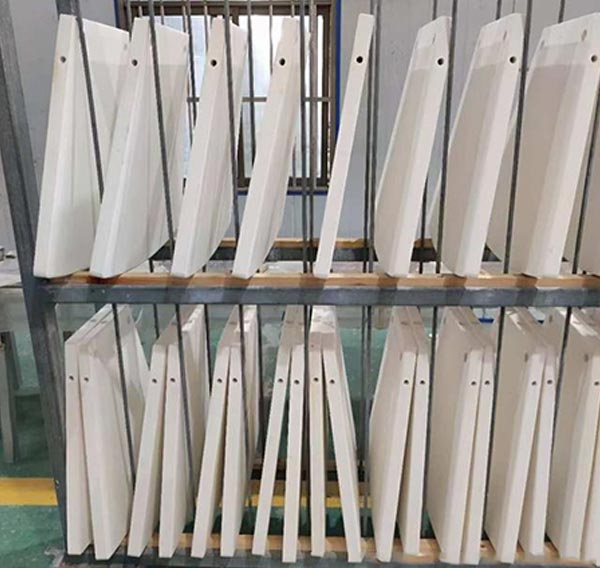
Replace ceramic filter plates at regular intervals based on their service life and the extent of wear. Typically, a ceramic filter plate has a service life of 1 to 2 years, but the actual replacement cycle depends on operating conditions. When replacing filter plates, select products with reliable quality and good performance, and install them strictly in accordance with the manufacturer’s requirements.
· Strengthen Equipment Cleaning:
-- Clean Promptly After Each Filtration Cycle:
Immediately clean the ceramic filter plates and the equipment after each filtration run. Use appropriate cleaning methods and cleaning agents to ensure that residual material and deposits are thoroughly removed. A common practice is to first rinse with clean water to remove most of the surface material, then soak and clean using a specialized cleaning agent.
-- Perform Regular Deep Cleaning:
In addition to routine cleaning after each filtration cycle, conduct periodic deep cleaning of the equipment. For example, every 1 to 2 months, use chemical cleaning, ultrasonic cleaning, or other suitable methods to perform a comprehensive deep clean of the ceramic filter plates, removing stubborn internal blockages and accumulated fouling.
· Establish an Equipment Inspection System:
-- Regular Inspections:
Develop an equipment inspection schedule and conduct regular, comprehensive inspections of the ceramic filter plates and filtration equipment. Inspection items include the condition of surface wear on the filter plates, pore clogging, presence of cracks or damage, as well as the operating status of pipes, valves, pumps, and other components. Inspections are typically performed weekly or biweekly.
-- Unscheduled Spot Checks:
In addition to regular inspections, conduct unscheduled spot checks to ensure continuous, trouble-free operation. These checks can be performed while the equipment is running, focusing on operating parameters, unusual noises, vibrations, and other potential issues.
-- Maintain Detailed Inspection Records:
Keep thorough records of each inspection, including the inspection date, personnel involved, identified issues, and the corresponding corrective measures. Establish an equipment inspection archive to track and analyze operating conditions, enabling the early detection of potential problems and the implementation of preventive measures.
4. Use of New‑Type Ceramic Filter Plate Cleaners
There are various specialized cleaners available on the market designed specifically for removing blockages from ceramic filter plates. These cleaners offer advantages such as strong cleaning effectiveness, minimal damage to the filter plates, and environmentally friendly, pollution‑free formulations. For example, some cleaners composed of organic acids and surfactants can effectively dissolve and remove both inorganic and organic substances in the堵塞物. When using these cleaners, operators should follow the product instructions carefully, controlling parameters such as concentration, temperature, and cleaning time.
5. Optimize the Filtration Process
· Add Pretreatment Stages:
Incorporate additional pretreatment steps before the ceramic filtration system, such as sedimentation, flocculation, or pre‑filtration, to further remove impurities and fine particles from the material and reduce the load on the ceramic filter plates. For instance, in wastewater treatment, most suspended solids are first removed through sedimentation and flocculation before the water enters the ceramic filter for advanced filtration.
· Adopt Combined Filtration Methods:
Combine different types of filtration equipment or technologies to create a combined filtration system. For example, ceramic filtration can be used in conjunction with ultrafiltration (UF) or reverse osmosis (RO) to leverage the strengths of each technology, improve filtration efficiency and quality, and reduce clogging of the ceramic filter plates. This combined approach is commonly used in industrial water treatment applications that require high‑quality water output.
· Improve Discharge Methods:
Optimize the discharge method of the ceramic filter plates to ensure complete removal of the filter cake and minimize residue. Suitable methods include vibratory discharge, scraper discharge, or air‑blow discharge, depending on the material properties and filter plate structure. During discharge, it is important to control the speed and force to avoid damaging the filter plates.
III. Preventive Measures
· Establish a Material Quality Monitoring System:
Implement strict quality monitoring for all materials entering the ceramic filtration system. Regularly analyze key parameters such as particle size distribution, viscosity, and chemical composition to detect any changes in material properties in a timely manner. This allows operators to take appropriate adjustments and treatments before issues escalate.
· Strengthen Operator Training:
Improve the technical proficiency and sense of responsibility of operators by ensuring they are fully familiar with equipment operating procedures, maintenance requirements, proper filtration methods, and effective backwashing techniques. At the same time, provide comprehensive safety training to enhance awareness and prevent equipment damage or personnel injuries caused by improper operation.
· Develop Contingency Plans:
Create detailed contingency plans for potential emergencies such as sudden clogging of ceramic filter plates. These plans should include methods for identifying faults, emergency response measures, staff responsibilities, and communication protocols. Having such procedures in place ensures that any malfunction can be addressed quickly and effectively, minimizing downtime and losses.
· Regularly Evaluate Filtration Performance:
Conduct periodic assessments of the filtration system’s performance by analyzing indicators such as filtration efficiency, filter cake moisture content, and filtrate quality. This helps identify any emerging issues within the system and supports the implementation of targeted improvements. Evaluation methods may include experimental testing and data analysis, providing a solid basis for optimizing filtration processes and equipment maintenance.
Based on the above analysis of the causes of ceramic filter plate clogging in ceramic vacuum disc filters, along with the corresponding solutions and preventive measures, the problem of filter plate blockage can be effectively addressed. This not only improves the operating efficiency and stability of the filtration equipment but also extends its service life and reduces production costs, thereby providing strong support for production in related industries.
In practical applications, it is also important to flexibly select and combine various solutions and preventive measures according to the specific production process and material characteristics. Continuous exploration and innovation are necessary to achieve the best possible filtration results.