 English
 日本
日本 한국인
한국인 Français
 Deutsch
 español
 Italiano
 Portugal
 Việt Nam
 türkiye
 عرب
عرب Русский
 čeština
 แบบไทย
 Eesti
Eesti Gaeilge
 Hmoob
Hmoob íslenskur
 Cymraeg
 български
 اردو
اردو Polski
 Hrvatski
 українська
 bosanski
 فارسی
فارسی lietuvių
 latviski
 עִברִית
 Română
 Ελληνικά
 dansk
dansk Magyar
 norsk
norsk Suomalainen
 Nederlands
 svenska
 slovenský
 Slovenščina
 हिंदी
हिंदी Indonesia
 Melayu
 Malti
Malti Kreyòl ayisyen
 català
 বাংলা
বাংলা Српски
 o'zbek

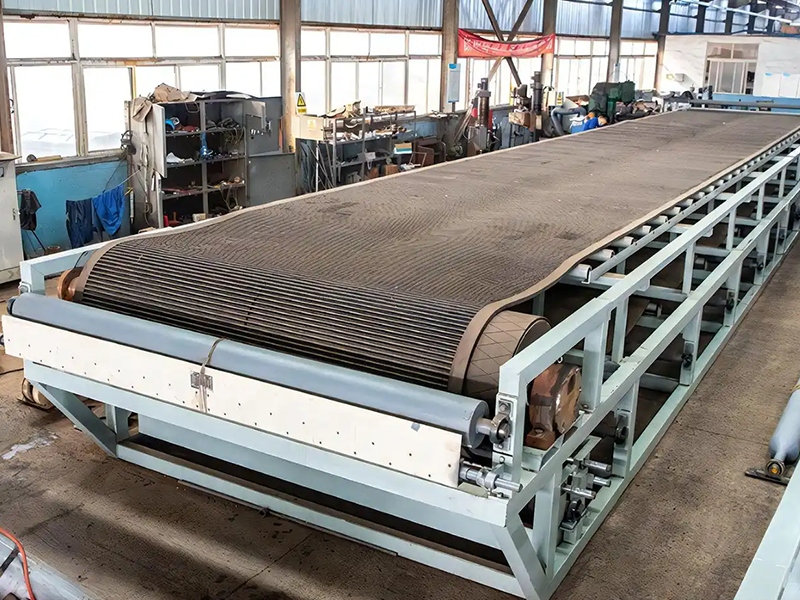
In the solid-liquid separation processes of mining and metallurgy, environmental sludge treatment, lithium battery materials, and many other industries, the proper selection of vacuum band filters directly determines production efficiency, processing costs, and regulatory compliance. An undersized unit leads to insufficient capacity and frequent overloading, while an oversized one results in wasted capital investment and soaring energy consumption. Incompatible materials of construction may cause equipment corrosion and substandard filter cake quality. What appears to be simple parameter matching actually involves numerous critical considerations. This article breaks down the scientific selection logic of vacuum band filter — from demand analysis and scenario adaptation to supplier evaluation and cost accounting — helping you avoid common selection pitfalls, accurately match working conditions, and achieve an optimal balance between equipment cost-effectiveness and operational stability.
I.Prerequisites for Selection: Define the Three Core Requirements
The core of equipment selection lies in demand orientation. It is essential to first clarify material properties, process requirements, and operating conditions to avoid blind parameter matching.
1. Material Property Analysis
1) Key indicators: solids content, solids density, viscosity, corrosiveness, and particle size distribution. For example, highly corrosive materials require fully enclosed, corrosion-resistant models, while high-viscosity slurries demand a matching intelligent speed control system.
2) Pre-treatment requirements: materials containing large particulate impurities must be screened first, and high-concentration slurries need to be diluted to a suitable concentration.
1) Key indicators: solids content, solids density, viscosity, corrosiveness, and particle size distribution. For example, highly corrosive materials require fully enclosed, corrosion-resistant models, while high-viscosity slurries demand a matching intelligent speed control system.
2) Pre-treatment requirements: materials containing large particulate impurities must be screened first, and high-concentration slurries need to be diluted to a suitable concentration.
2. Core Process Indicators
1) Processing capacity: specify dry solids throughput and peak redundancy to prevent equipment overloading or wasted capacity.
2) Filter cake requirements: moisture content must meet downstream process and washing requirements.
1) Processing capacity: specify dry solids throughput and peak redundancy to prevent equipment overloading or wasted capacity.
2) Filter cake requirements: moisture content must meet downstream process and washing requirements.
3. Operating Environment Constraints
1) Space conditions: workshop layout determines filter belt width and length, with adequate space reserved for installation and maintenance.
2) Compliance requirements: food and pharmaceutical industries must comply with GMP certifications, and environmental protection projects shall meet solid waste treatment discharge standards.
1) Space conditions: workshop layout determines filter belt width and length, with adequate space reserved for installation and maintenance.
2) Compliance requirements: food and pharmaceutical industries must comply with GMP certifications, and environmental protection projects shall meet solid waste treatment discharge standards.
II. Application-Based Selection: Matching Optimal Solutions by Industry
Operating conditions vary significantly across industries, requiring targeted equipment selection. Below is a guide for typical application scenarios:
Operating conditions vary significantly across industries, requiring targeted equipment selection. Below is a guide for typical application scenarios:
| Application industry | Core needs | Recommended Model Features |
| Mining and Metallurgy | Large processing capacity, low moisture content | Modular design, single unit daily processing capacity ≥35t/h |
| Environmental sludge treatment | Sludge reduction and compliant discharge | Processing capacity: 50-2800 kg·ds/h·m; sludge cake solids content: ≥35%. |
| Lithium battery materials | High-precision dehydration and high-purity separation | Filter cake moisture content ≤18%, aseptic clean design |
| Food and pharmaceutical | Sanitary-grade materials, high mother liquor recovery | GMP certified, sanitary materials for contact parts |
| Chemical industry | Corrosion and wear resistant, adaptable to complex working conditions | Fully sealed design, inert gas circulation |
III. Manufacturer Evaluation: Assessing Strength Across Four Dimensions
Equipment performance and manufacturer services directly affect operational efficiency. Key selection criteria include:
Equipment performance and manufacturer services directly affect operational efficiency. Key selection criteria include:
1. Technical Strength:Number of patents, core technologies (such as AI intelligent control and corrosion-resistant design), with preference given to manufacturers with proven industry case references.
2. Service Capability:Pre-sales support including laboratory/pilot testing and process surveys; on-site installation and training during delivery; prompt after-sales service response.
3. Customization Capability:Support for modifications under special working conditions (e.g., highly corrosive or high-viscosity materials) and adaptation of intelligent control systems (remote monitoring, automatic parameter adjustment).
4. Qualifications & Certifications: ISO 9001 Quality Management System Certification
IV. Cost Analysis: Balancing Upfront Investment and Long‑Term Benefits
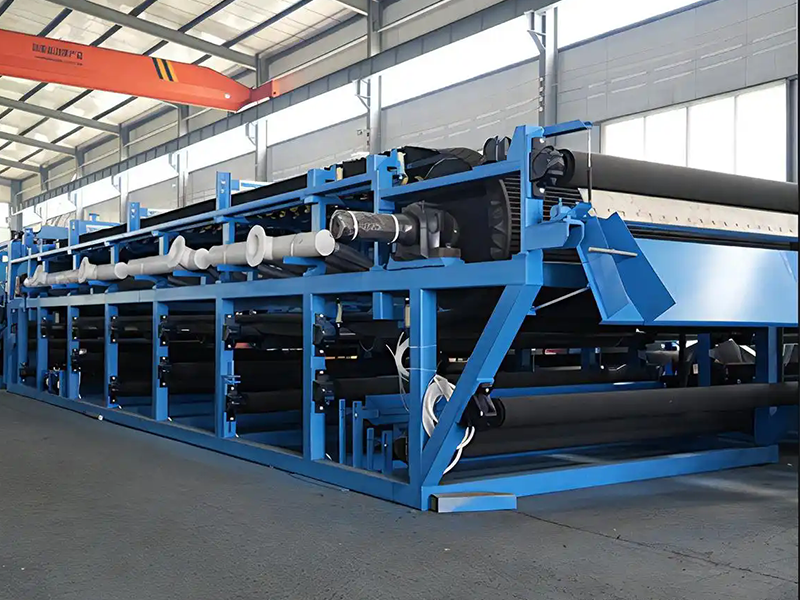
Selection should be based on total life‑cycle cost, not just the initial equipment price:
Selection should be based on total life‑cycle cost, not just the initial equipment price:
1. Upfront Investment
Avoid low-cost traps. Although non-standard units appear cheaper, they often increase subsequent maintenance costs by over 50%. Standard models with customized modifications are preferred.
Avoid low-cost traps. Although non-standard units appear cheaper, they often increase subsequent maintenance costs by over 50%. Standard models with customized modifications are preferred.
2. Operating Costs
Energy consumption (intelligent models consume 20%–25% less energy than conventional units) and filter cloth replacement costs (high-quality cloth requires 1–2 replacements per year, while low-quality cloth needs 4–6).
Energy consumption (intelligent models consume 20%–25% less energy than conventional units) and filter cloth replacement costs (high-quality cloth requires 1–2 replacements per year, while low-quality cloth needs 4–6).
3. Maintenance Costs
Ease of replacing wear parts (scraper blades, idlers) and density of service networks (to minimize downtime losses).
Ease of replacing wear parts (scraper blades, idlers) and density of service networks (to minimize downtime losses).
4. Cost‑Effectiveness Evaluation
High-quality equipment requires a 10%–15% higher initial investment, but reduces annual operation and maintenance costs by 20%–30%, allowing the price difference to be recovered within 2–3 years (for example, Hexu Machinery models save nearly 50,000 RMB per year).
High-quality equipment requires a 10%–15% higher initial investment, but reduces annual operation and maintenance costs by 20%–30%, allowing the price difference to be recovered within 2–3 years (for example, Hexu Machinery models save nearly 50,000 RMB per year).
V. Summary of the Selection Process
1. Data Collection: Measure material properties (solids content, viscosity, etc.) and process indicators (processing capacity, moisture content, etc.);
2. Scenario Matching: Select machine features based on industry operating conditions (corrosion resistance, aseptic design, high capacity, etc.);
3. Manufacturer Screening: Narrow down suppliers by technical strength, service, reputation and other factors, and arrange laboratory or pilot tests;
4. Contract Negotiation: Clarify key terms such as warranty period, service response time and spare parts supply;
5. Installation & Operation: Cooperate with the manufacturer for commissioning and training, and establish a regular inspection mechanism.
1. Data Collection: Measure material properties (solids content, viscosity, etc.) and process indicators (processing capacity, moisture content, etc.);
2. Scenario Matching: Select machine features based on industry operating conditions (corrosion resistance, aseptic design, high capacity, etc.);
3. Manufacturer Screening: Narrow down suppliers by technical strength, service, reputation and other factors, and arrange laboratory or pilot tests;
4. Contract Negotiation: Clarify key terms such as warranty period, service response time and spare parts supply;
5. Installation & Operation: Cooperate with the manufacturer for commissioning and training, and establish a regular inspection mechanism.