 English
 日本
日本 한국인
한국인 Français
 Deutsch
 español
 Italiano
 Portugal
 Việt Nam
 türkiye
 عرب
عرب Русский
 čeština
 แบบไทย
 Eesti
Eesti Gaeilge
 Hmoob
Hmoob íslenskur
 Cymraeg
 български
 اردو
اردو Polski
 Hrvatski
 українська
 bosanski
 فارسی
فارسی lietuvių
 latviski
 עִברִית
 Română
 Ελληνικά
 dansk
dansk Magyar
 norsk
norsk Suomalainen
 Nederlands
 svenska
 slovenský
 Slovenščina
 हिंदी
हिंदी Indonesia
 Melayu
 Malti
Malti Kreyòl ayisyen
 català
 বাংলা
বাংলা Српски
 o'zbek

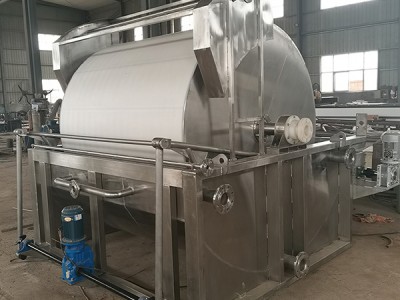
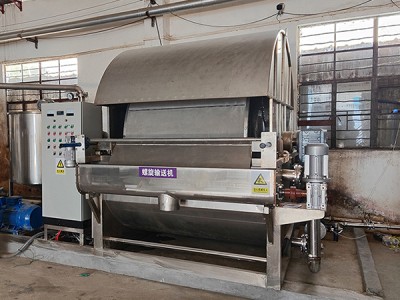
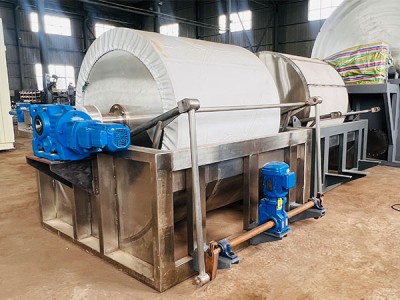
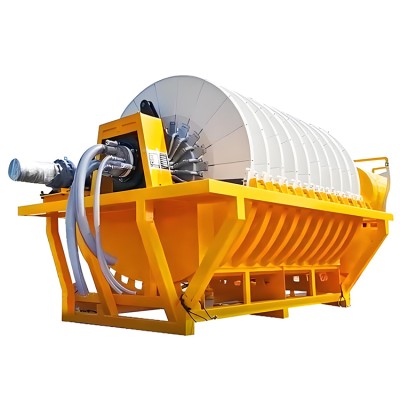
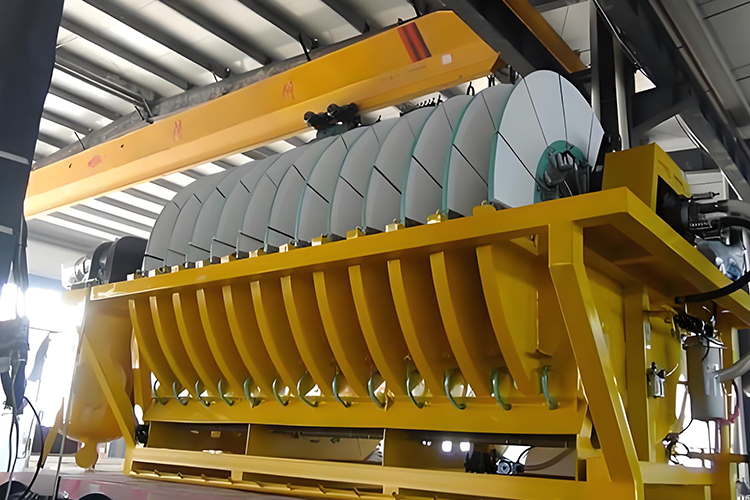
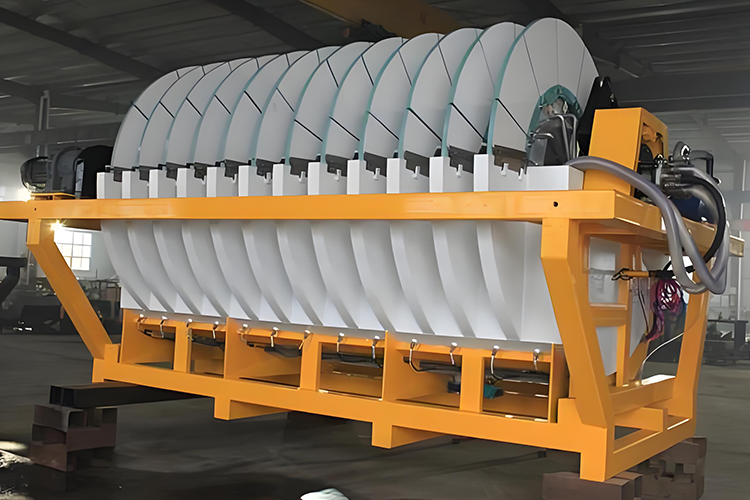
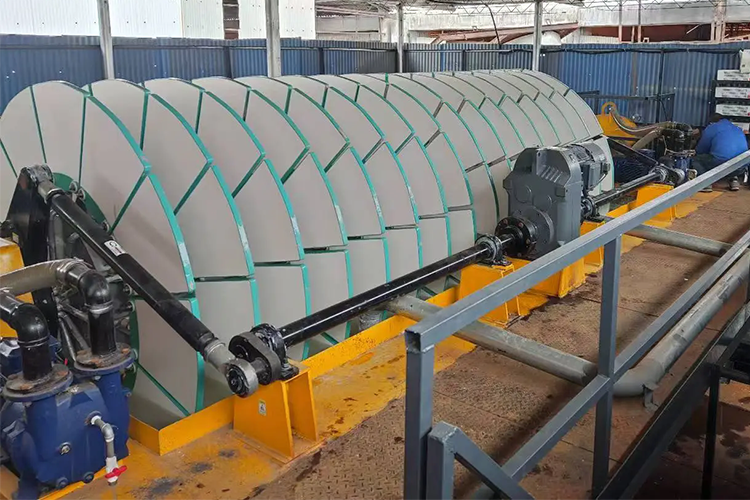
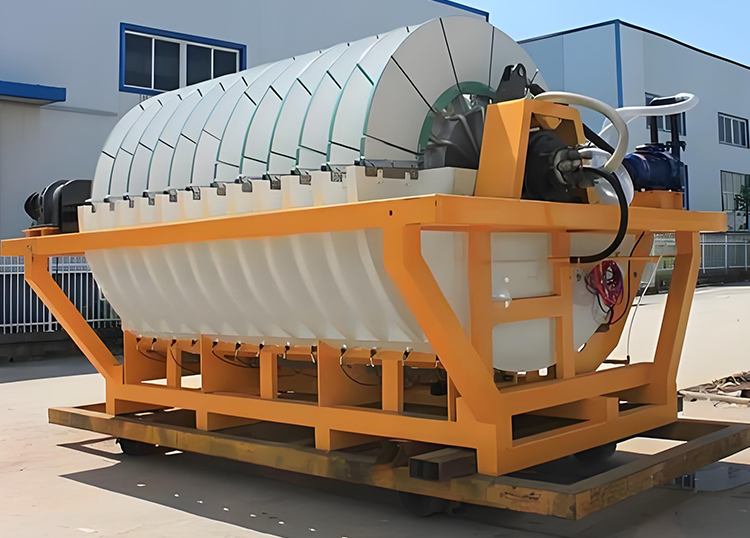
As a highly efficient solid-liquid separation equipment, Ceramic vacuum disk filters are widely used in concentrate dewatering for lead-zinc ore, copper concentrate, sulfur concentrate, as well as in environmental protection and chemical industries. They stand out for their high automation, low energy consumption, low cake moisture content and clear filtrate, delivering significant economic and social benefits to enterprises.
The core filtration component of this equipment is the ceramic filter plate, whose microporous surface structure is prone to clogging by fine particles, which directly impairs filtration efficiency and service life. Therefore, establishing a scientific and standardized cleaning, maintenance and servicing system is critical to ensuring the continuous and efficient operation of the equipment.
The core filtration component of this equipment is the ceramic filter plate, whose microporous surface structure is prone to clogging by fine particles, which directly impairs filtration efficiency and service life. Therefore, establishing a scientific and standardized cleaning, maintenance and servicing system is critical to ensuring the continuous and efficient operation of the equipment.
I. Scientific Cleaning
The core objective of cleaning is to remove deposits and blockages from the micropores of ceramic filter plates and the equipment chamber, thereby restoring the permeability of the filtration media.
1. Cleaning Timing and Basic Requirements
Routine Cleaning: The equipment shall be stopped for cleaning after 6–7 hours of continuous operation. The actual interval may be adjusted flexibly according to on-site slurry concentration and particle characteristics. However, cleaning must not be delayed until filter plates are completely clogged and unable to form a filter cake, so as to avoid a vicious operating cycle.
Special Cleaning: If the equipment is shut down for more than 30 minutes due to faults or other reasons, the cleaning procedure shall be initiated immediately to prevent filter plate clogging caused by slurry settling, which would be difficult to remove.
Preparations: Before cleaning, all slurry in the slurry tank must be completely drained, and accumulated solids in the tank shall be removed manually. Any foreign objects fallen to the bottom of the tank must be taken out promptly. The probe of the level controller at the bottom of the slurry tank shall be cleaned manually to ensure no mineral deposits remain and prevent false equipment alarms.
Special Cleaning: If the equipment is shut down for more than 30 minutes due to faults or other reasons, the cleaning procedure shall be initiated immediately to prevent filter plate clogging caused by slurry settling, which would be difficult to remove.
Preparations: Before cleaning, all slurry in the slurry tank must be completely drained, and accumulated solids in the tank shall be removed manually. Any foreign objects fallen to the bottom of the tank must be taken out promptly. The probe of the level controller at the bottom of the slurry tank shall be cleaned manually to ensure no mineral deposits remain and prevent false equipment alarms.
2. Specifications for Classified Cleaning Operations
Routine Cleaning
Use a soft brush or high-pressure water gun to remove deposits from the surface of ceramic discs. Scraping with hard tools is prohibited to avoid damaging the surface membrane of the filter plates.
Regularly clean the strainers and pipelines connected to the vacuum system to ensure unobstructed flow and prevent blockages from affecting vacuum level.
Backwashing Operation
During normal operation, backwash pressure shall be strictly controlled between 0.1 MPa and 0.2 MPa (100–200 kPa). Adjust promptly if the pressure exceeds this range to prevent filter plate fracture. If pressure is below this range, inspect the cleanliness of filter elements, pressure conditions, and relief valve performance; low water pressure is typically caused by clogged filter elements.
Record pressure gauge readings before and after backwashing. Replace filter elements in a timely manner when the pressure differential exceeds 0.1 MPa (100 kPa).
Backwashing can be performed by water backwashing or air backwashing. For filtration of ultrafine materials, an air-water combined cleaning system is recommended to improve unclogging efficiency and slow down performance degradation of filter plates.
Treatment for Severe Blockage
A reduction in filter plate flow rate by more than 50% indicates severe blockage. Soak the plates in a 5%–10% sulfuric acid or nitric acid solution for 2–4 hours. After soaking, rinse thoroughly with clean water and neutralize residual chemicals to avoid corrosion of equipment components.
Use a soft brush or high-pressure water gun to remove deposits from the surface of ceramic discs. Scraping with hard tools is prohibited to avoid damaging the surface membrane of the filter plates.
Regularly clean the strainers and pipelines connected to the vacuum system to ensure unobstructed flow and prevent blockages from affecting vacuum level.
Backwashing Operation
During normal operation, backwash pressure shall be strictly controlled between 0.1 MPa and 0.2 MPa (100–200 kPa). Adjust promptly if the pressure exceeds this range to prevent filter plate fracture. If pressure is below this range, inspect the cleanliness of filter elements, pressure conditions, and relief valve performance; low water pressure is typically caused by clogged filter elements.
Record pressure gauge readings before and after backwashing. Replace filter elements in a timely manner when the pressure differential exceeds 0.1 MPa (100 kPa).
Backwashing can be performed by water backwashing or air backwashing. For filtration of ultrafine materials, an air-water combined cleaning system is recommended to improve unclogging efficiency and slow down performance degradation of filter plates.
Treatment for Severe Blockage
A reduction in filter plate flow rate by more than 50% indicates severe blockage. Soak the plates in a 5%–10% sulfuric acid or nitric acid solution for 2–4 hours. After soaking, rinse thoroughly with clean water and neutralize residual chemicals to avoid corrosion of equipment components.
II. Precise Maintenance
Regular inspections and targeted treatments ensure all systems of the equipment remain fully functional.
1. Regular Inspection Items
Daily Inspection
Inspect the operating status of ceramic discs, vacuum system, agitating device, and control system, checking for abnormal noise, vibration, or leakage.
Check the cleanliness and sensitivity of electrical components such as the slurry tank level controller and sensors to ensure accurate signal transmission.
Monitor key parameters including backwash pressure and vacuum level, and record operating data.
Daily Inspection
Inspect the operating status of ceramic discs, vacuum system, agitating device, and control system, checking for abnormal noise, vibration, or leakage.
Check the cleanliness and sensitivity of electrical components such as the slurry tank level controller and sensors to ensure accurate signal transmission.
Monitor key parameters including backwash pressure and vacuum level, and record operating data.
Weekly Inspection
Tighten fasteners at all parts of the equipment to prevent loosening caused by vibration.
Inspect the integrity of seals for signs of aging, damage, or leakage.
Clean the intake filter of the vacuum pump, check the oil level and cleanliness of pump oil, and top up or replace it as needed.
Tighten fasteners at all parts of the equipment to prevent loosening caused by vibration.
Inspect the integrity of seals for signs of aging, damage, or leakage.
Clean the intake filter of the vacuum pump, check the oil level and cleanliness of pump oil, and top up or replace it as needed.
Monthly Inspection
Measure bearing temperature rise: temperature rise shall not exceed 35℃ during idling, 45℃ under load, and the maximum temperature shall not exceed 70℃.
Check the clearance between the scraper and filter plates, and adjust it to 0.5 mm–2.0 mm according to filter plate specifications. An excessively small clearance may damage the filter plates, while an excessively large one may result in incomplete discharge.
Calibrate measuring instruments such as pressure gauges and vacuum gauges to ensure accurate readings.
Measure bearing temperature rise: temperature rise shall not exceed 35℃ during idling, 45℃ under load, and the maximum temperature shall not exceed 70℃.
Check the clearance between the scraper and filter plates, and adjust it to 0.5 mm–2.0 mm according to filter plate specifications. An excessively small clearance may damage the filter plates, while an excessively large one may result in incomplete discharge.
Calibrate measuring instruments such as pressure gauges and vacuum gauges to ensure accurate readings.
2. Component Replacement and Repair
Ceramic filter plates shall be replaced promptly if they exhibit severe cracks or damage, or if the filtration flow rate remains reduced by more than 50% after cleaning and filtration precision fails to meet requirements. Under normal operating conditions, the service life of filter plates is 1–2 years; under extreme conditions, it is 6–12 months. Spare parts shall be planned in advance.
Wearing parts such as seals, screens and filter elements shall be replaced immediately upon signs of wear, aging or failure to avoid compromising equipment sealing and filtration performance.
The control system adopts a PLC + touch screen control mode. In case of delayed response, incorrect commands or other malfunctions, timely repair or upgrade shall be performed to ensure normal automatic control functions. For equipment supporting remote control, communication stability shall be tested regularly.
If the agitating device produces knocking or abnormal noise, shut down the equipment to check for agglomerated slurry or foreign objects jammed in the blades, clean them promptly and correct the verticality of the agitating shaft.
Wearing parts such as seals, screens and filter elements shall be replaced immediately upon signs of wear, aging or failure to avoid compromising equipment sealing and filtration performance.
The control system adopts a PLC + touch screen control mode. In case of delayed response, incorrect commands or other malfunctions, timely repair or upgrade shall be performed to ensure normal automatic control functions. For equipment supporting remote control, communication stability shall be tested regularly.
If the agitating device produces knocking or abnormal noise, shut down the equipment to check for agglomerated slurry or foreign objects jammed in the blades, clean them promptly and correct the verticality of the agitating shaft.
III. Standardized Maintenance
Maintenance is divided into routine maintenance and periodic maintenance. Through environmental upkeep, lubrication care, and system optimization, equipment aging is slowed and long‑term operational reliability is improved.
1. Daily Maintenance
Keep the equipment surface clean. After daily operation, wipe the machine body and control panel to remove residual slurry and dust.
Maintain a dry and well‑ventilated operating environment to prevent moisture damage to electrical components.
Inspect the equipment lubrication system to ensure the automatic or manual lubrication system functions properly, and monitor the lubricating oil level.
Keep the equipment surface clean. After daily operation, wipe the machine body and control panel to remove residual slurry and dust.
Maintain a dry and well‑ventilated operating environment to prevent moisture damage to electrical components.
Inspect the equipment lubrication system to ensure the automatic or manual lubrication system functions properly, and monitor the lubricating oil level.
2. Periodic Maintenance
Every 3 months:
Apply high-temperature grease to moving parts such as main shaft bearings and agitator bearings to ensure adequate lubrication and reduce frictional wear.
Clean the backwash water tank and filtrate tank, remove sediments inside the tanks, and check the flexibility of pipeline valves.
Every 3 months:
Apply high-temperature grease to moving parts such as main shaft bearings and agitator bearings to ensure adequate lubrication and reduce frictional wear.
Clean the backwash water tank and filtrate tank, remove sediments inside the tanks, and check the flexibility of pipeline valves.
Every 6 months:
Carry out a full disassembly inspection of the equipment, including core components such as the distribution head, ultrasonic transducer and pneumatic control system, and remove internal scale and impurities.
Replace vacuum pump oil and lubricating oil, and clean components including radiators and oil filters.
Check the flatness of ceramic discs; correct any deformation in time or replace severely deformed discs.
Carry out a full disassembly inspection of the equipment, including core components such as the distribution head, ultrasonic transducer and pneumatic control system, and remove internal scale and impurities.
Replace vacuum pump oil and lubricating oil, and clean components including radiators and oil filters.
Check the flatness of ceramic discs; correct any deformation in time or replace severely deformed discs.
Annually:
Conduct a comprehensive performance test on the equipment, including indicators such as filtration efficiency, filter cake moisture content and energy consumption, and evaluate the operating status by comparing with the original parameters.
Inspect the equipment paintwork; touch up the paint promptly if peeling or corrosion occurs.
Perform a thorough overhaul of the electrical control system and test protection functions including overload, short circuit and over-temperature protection.
Conduct a comprehensive performance test on the equipment, including indicators such as filtration efficiency, filter cake moisture content and energy consumption, and evaluate the operating status by comparing with the original parameters.
Inspect the equipment paintwork; touch up the paint promptly if peeling or corrosion occurs.
Perform a thorough overhaul of the electrical control system and test protection functions including overload, short circuit and over-temperature protection.
IV. Precautions
1. During cleaning, maintenance and servicing, comply with the equipment safety operation procedures, disconnect the power supply and post warning signs to prevent personal injury from accidental startup. Proper protective equipment shall be worn when using chemical cleaning agents.
2. All operations must be performed with special tools and recommended cleaning agents. Scraping ceramic filter plates with hard tools or cleaning with chemical reagents of unknown composition is strictly prohibited to prevent equipment damage.
3. The equipment can be transported as a complete unit or in separate modules in accordance with relevant transportation regulations. It shall be stored in a dry environment, away from direct sunlight, rain and corrosive gases.
4. Establish an equipment operation and maintenance log to record cleaning intervals, maintenance items, component replacements, troubleshooting procedures and other details in full, providing data support for future upkeep.
2. All operations must be performed with special tools and recommended cleaning agents. Scraping ceramic filter plates with hard tools or cleaning with chemical reagents of unknown composition is strictly prohibited to prevent equipment damage.
3. The equipment can be transported as a complete unit or in separate modules in accordance with relevant transportation regulations. It shall be stored in a dry environment, away from direct sunlight, rain and corrosive gases.
4. Establish an equipment operation and maintenance log to record cleaning intervals, maintenance items, component replacements, troubleshooting procedures and other details in full, providing data support for future upkeep.
Conclusion
During operation, Ceramic vacuum disk filter shall be operated in strict accordance with the principles of **prevention first, scientific standardization, precision and efficiency**. By establishing a routine cleaning mechanism, refined maintenance procedures and standardized servicing criteria, issues such as filter plate clogging and component wear can be effectively avoided. This ensures the equipment maintains high-efficiency filtration performance over the long term, extends service life and reduces operating costs.
During operation, Ceramic vacuum disk filter shall be operated in strict accordance with the principles of **prevention first, scientific standardization, precision and efficiency**. By establishing a routine cleaning mechanism, refined maintenance procedures and standardized servicing criteria, issues such as filter plate clogging and component wear can be effectively avoided. This ensures the equipment maintains high-efficiency filtration performance over the long term, extends service life and reduces operating costs.