 English
 日本
日本 한국인
한국인 Français
 Deutsch
 español
 Italiano
 Portugal
 Việt Nam
 türkiye
 عرب
عرب Русский
 čeština
 แบบไทย
 Eesti
Eesti Gaeilge
 Hmoob
Hmoob íslenskur
 Cymraeg
 български
 اردو
اردو Polski
 Hrvatski
 українська
 bosanski
 فارسی
فارسی lietuvių
 latviski
 עִברִית
 Română
 Ελληνικά
 dansk
dansk Magyar
 norsk
norsk Suomalainen
 Nederlands
 svenska
 slovenský
 Slovenščina
 हिंदी
हिंदी Indonesia
 Melayu
 Malti
Malti Kreyòl ayisyen
 català
 বাংলা
বাংলা Српски
 o'zbek

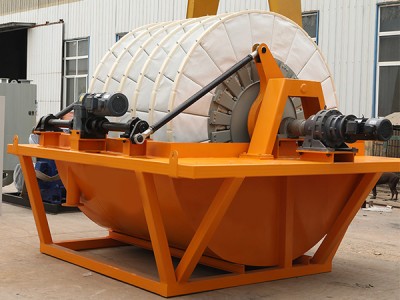
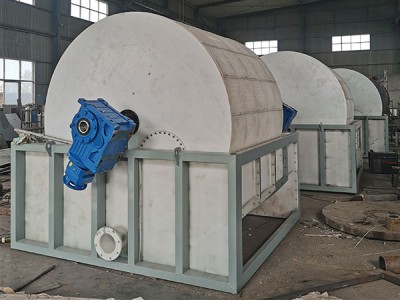
What is a Belt Discharge Rotary Drum Filter?
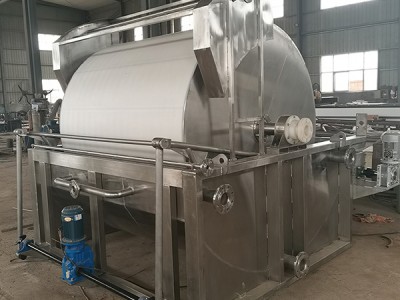
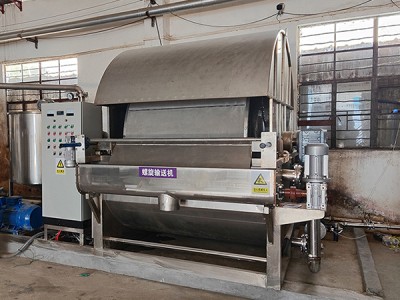
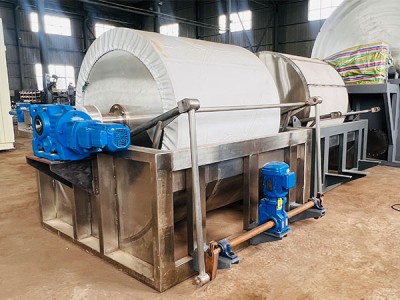
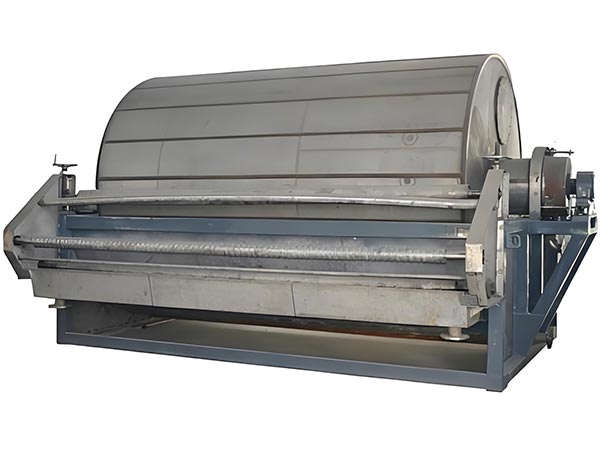
The Belt Discharge Rotary Drum Filter is a fully automatic continuous vacuum solid-liquid separation equipment. It relies on a continuously rotating filter cloth belt to complete the entire process, including filtration, filter cake washing, dewatering, discharge, and filter cloth regeneration in one continuous cycle. The entire operation is fully automated with closed-loop control, eliminating the need for intermittent shutdowns.
Slurry tank and anti-settling agitation device
Continuous filter cloth belt, tensioning rollers, and automatic deviation correction system
High-pressure washing system for filter cloth regeneration and cleaning
Variable frequency speed control system and vacuum gas-liquid separation system
Working Principle of Belt Discharge Rotary Drum Filter
The entire operation process is simple and stable, suitable for 24-hour continuous production:
2.The vacuum system generates negative pressure, drawing the liquid phase through the filter cloth while retaining solid particles on the filter cloth surface, gradually forming a filter cake layer.
3.As the drum rotates, the filter cake sequentially passes through the washing and air-drying sections, further removing internal moisture and reducing the filter cake moisture content.
4.When the filter cloth leaves the drum and passes around the discharge roller, the cloth bends to generate tension, allowing the thin and highly viscous filter cake to be completely peeled off. No scraper contacts the material during the entire process.
5.After discharge, the filter cloth passes through a double-sided high-pressure spray washing system to remove clogged pores and regenerate the filter cloth. It then returns to the slurry tank position for the next filtration cycle.
Core Advantages
The company conducted a competitive advantage analysis to identify its strengths and weaknesses compared to its rivals.
Clean Discharge with Minimal Residual Material
When processing highly viscous and fine particle slurries, scraper-type drum filters may experience filter cake adhesion and accumulation on the filter cloth.
The Belt Discharge Rotary Drum Filter achieves discharge through filter cloth bending, preventing filter cloth damage and minimizing material residue. It is suitable for challenging slurries such as fine powders, low-concentration, and high-viscosity materials.
01
Double-Sided Filter Cake Washing
During each operating cycle, the filter cloth undergoes double-sided high-pressure spray washing to maintain filtration throughput. No frequent shutdowns are required for filter cloth removal and cleaning. Compared with scraper-type rotary drum filters, maintenance downtime can be reduced by more than 40%, improving the overall production capacity of the processing line.
02
Stable Dewatering Performance
Combining continuous vacuum dewatering with air-drying processes, the moisture content of filter cakes from most mineral slurries and chemical slurries can be consistently controlled at 10%-15%. This effectively reduces material loss, improves solid recovery rates, and lowers wastewater treatment costs.
03
Fully Automatic Operation
The rotary drum and filter cloth are equipped with variable frequency speed control, combined with automatic deviation correction and real-time vacuum monitoring functions. A single operator can supervise multiple units, meeting the requirements of long-term continuous factory production.
04
Customizable Materials
The material-contacting parts can be manufactured from 304/316L stainless steel or corrosion-resistant PP materials. The equipment is suitable for acidic and alkaline slurry processing applications in industries such as lithium batteries, polysilicon, pharmaceuticals, and fine chemicals.
05
Equipment Limitations
When selecting equipment, it is important not only to consider its advantages but also to understand its inherent limitations to reduce potential issues during operation.
Higher Filter Cloth Wear
The filter cloth continuously circulates and rubs between multiple rollers, resulting in faster wear compared with fixed filter cloth models. When processing highly corrosive slurries, the filter cloth requires regular replacement. Wear-resistant polyester filter cloth can be selected and combined with a tension adjustment mechanism to extend the service life of the filter cloth.
Larger Equipment Footprint
Due to the circulating and reversing filter cloth frame structure, the overall equipment length is relatively longer. For projects with limited workshop space, equipment layout planning should be carried out in advance.
Higher Auxiliary Energy Consumption
Compared with scraper-type models, the equipment requires additional components such as a filter cloth drive motor and high-pressure cleaning water pump, resulting in increased power consumption during operation. However, considering the reduced shutdown frequency and lower consumption of other consumables, part of the additional operating costs can be offset.
Key Industries and Applications
New Energy and Silicon Chemical Industries
Suitable for polysilicon slurry filtration, lithium extraction from brine, and washing and dewatering processes of lithium battery materials. With high automation and excellent sealing performance, the equipment provides better overall performance than traditional filtration equipment in lithium material processing applications.
Petrochemical and Offshore Desulfurization
Suitable for oilfield wastewater treatment, with suspended solids in treated water controllable to below 15 mg/L, meeting wastewater reuse requirements. For offshore platform applications, anti-corrosion and anti-sway frame structures can be customized to adapt to high-salt and highly corrosive marine environments.
Food and Fermentation Industries
Food-grade materials are available for applications including corn protein powder dewatering, starch separation, citric acid production, and penicillin fermentation residue filtration, complying with food safety production standards.
Mining and Environmental Wastewater Treatment
Widely used in coal washing wastewater treatment, metal hydroxide slurry processing, and industrial sludge dewatering applications. The equipment operates in a continuous processing mode, overcoming the efficiency limitations caused by intermittent feeding of filter press systems.
Four Key Selection Criteria for Buyers
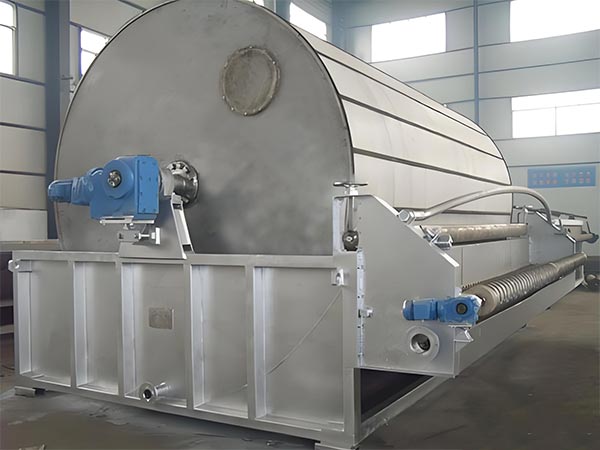
Identify the Slurry Material Characteristics
For fine particles, high-viscosity, and sticky slurries, the Belt Discharge Rotary Drum Filter is the preferred choice. For large particles and dry filter cakes with easy release characteristics, a Scraper Discharge Rotary Drum Filter can be selected. For acidic or alkaline corrosive slurries, 316L stainless steel or corrosion-resistant materials should be selected according to actual requirements.
Precisely Match the Required Filtration Area
Calculate the dry solids output based on daily processing capacity and slurry solids content, then select the appropriate filtration area from standard models ranging from 5–45 m². Larger models can be customized when required. Avoid oversized equipment selection, which may result in unnecessary energy consumption.
Match the Vacuum System Parameters
The equipment is designed for a standard vacuum level of -0.06 to -0.098 MPa. For applications requiring higher dewatering performance, a water-ring vacuum pump and gas-liquid separator should be equipped. Insufficient vacuum levels will directly result in incomplete dewatering and filter cake adhesion.
Reserve Workshop Operation and Maintenance Space
A minimum operating space of more than 1.2 meters should be reserved on the discharge side of the equipment to facilitate filter cloth replacement and roller assembly maintenance. If the workshop height is insufficient, the upper piping layout can be adjusted. However, if the height difference is significant, the equipment suitability should be reassessed.
Common Faults and Quick Solutions
Usually caused by insufficient cleaning pressure or clogged filter cloth. Increase the cleaning water pressure and regularly perform offline soaking and cleaning of the filter cloth.
Caused by uneven filter cloth tension or malfunction of the deviation correction sensor. Readjust the roller tension and calibrate the photoelectric deviation correction device.
Usually caused by air leakage in the pipeline or aging sealing rings. Tighten flange connections and replace worn sealing components.
Caused by unstable slurry concentration or improper rotary drum speed. Stabilize the feed concentration and adjust the variable frequency speed to match the operating conditions.