 English
 日本
日本 한국인
한국인 Français
 Deutsch
 español
 Italiano
 Portugal
 Việt Nam
 türkiye
 عرب
عرب Русский
 čeština
 แบบไทย
 Eesti
Eesti Gaeilge
 Hmoob
Hmoob íslenskur
 Cymraeg
 български
 اردو
اردو Polski
 Hrvatski
 українська
 bosanski
 فارسی
فارسی lietuvių
 latviski
 עִברִית
 Română
 Ελληνικά
 dansk
dansk Magyar
 norsk
norsk Suomalainen
 Nederlands
 svenska
 slovenský
 Slovenščina
 हिंदी
हिंदी Indonesia
 Melayu
 Malti
Malti Kreyòl ayisyen
 català
 বাংলা
বাংলা Српски
 o'zbek
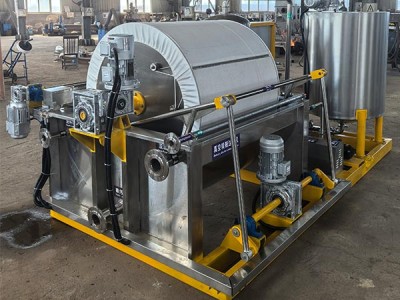
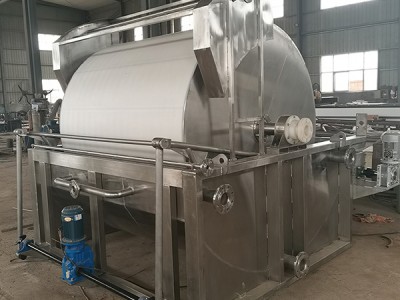
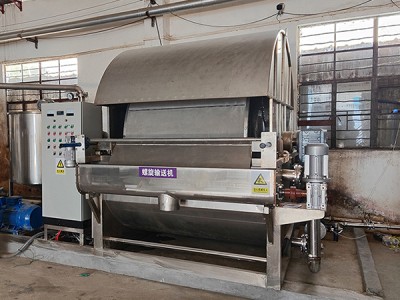
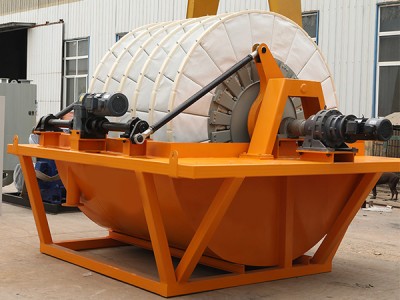
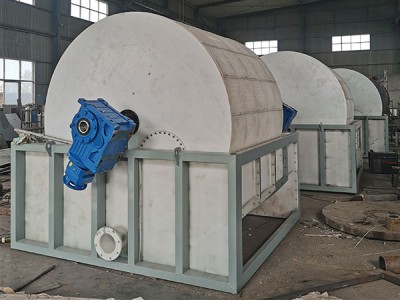
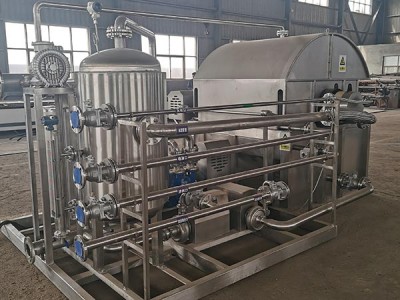
Aquaculture filtration machine
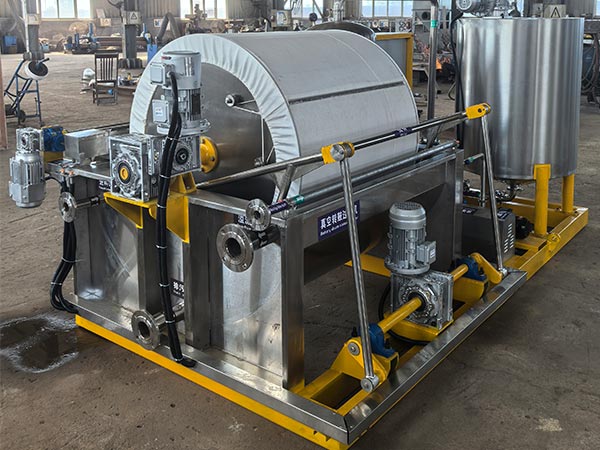
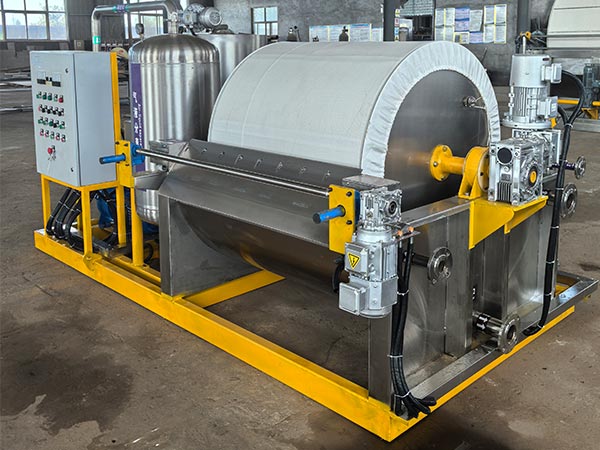
The Aquaculture filtration machine can accurately trap solid suspended substances such as fish feces and residual feed, with a removal rate of over 90%, controlling the content of suspended solids in water below 15mg/L. It is equipped with an intelligent automatic backwashing function, which starts automatically according to the filter clogging level, eliminating the need for shutdown for cleaning.
Working Principle of Aquaculture Filter
* The interior of the rotating drum is pumped to a negative pressure state by a vacuum pump, creating a pressure difference between the inside and outside.
* The aquaculture water flows in from the outside of the rotating drum. Driven by the pressure difference, the liquid passes through the filter screen and enters the inside of the rotating drum, while solid particles are trapped.
* The rotating drum rotates slowly, bringing the solids trapped on the filter screen to the upper part.
* The backwashing system flushes the solids into the sewage discharge tank for discharge, and the purified water flows back to the aquaculture system.
Core Advantages of Aquaculture filtration machine
Efficient and Continuous Operation
It works 24 hours a day without interruption, no need for shutdown for cleaning, and maintains stable capacity. Its filtration efficiency is more than 3 times that of traditional sand filter tanks, with a processing capacity of 30-500 m³/h.
Energy Conservation and Consumption Reduction
Compared with traditional filtration systems, its energy consumption is reduced by 40%. The equipment is compact, reducing the occupied area by 70%.
Extended Equipment Service Life
As a pre-treatment device, it reduces the load of subsequent biochemical filter tanks by 40% and doubles the service life of membrane modules.
Improved Aquaculture Benefits
It maintains clear and stable water quality, reduces fish stress, lowers the incidence of diseases, and accelerates fish growth rate. The water recycling rate can reach 90-99%, which significantly reduces the frequency of water change and saves water resources.
Consequences of Low Filtration Efficiency in Aquaculture filtration machine
Water Quality Deterioration: Suspended solids accumulate, reducing water transparency and dissolved oxygen levels. Concentrations of toxic substances such as ammonia nitrogen and nitrite rise, directly endangering fish health.
Disease Outbreaks: Poor water quality weakens fish immunity, making them susceptible to various diseases. Decomposition of solid organic matter creates a hotbed for pathogen growth, increasing the risk of cross-infection.
Soaring Aquaculture Costs: Frequent water changes raise costs for water resources and energy consumption. Frequent fish diseases lead to higher medication costs, lower survival rates, and reduced yields. Frequent backwashing of equipment accelerates wear and tear, increasing maintenance and replacement costs.
Risk of System Collapse: Solids clog subsequent biological filters, disrupting microbial communities. The service life of filter media is significantly shortened, reducing system stability and even triggering "pond turnover" accidents.
Ecological and Environmental Pollution: Direct discharge of aquaculture tailwater without effective treatment causes eutrophication of surrounding water bodies. This violates environmental protection regulations, leading to the risk of penalties and affecting sustainable development.
Key Selection Criteria for Aquaculture filtration machine
·Material: Prioritize 316L stainless steel first, followed by 304 stainless steel.
·Filter Screen: Choose a replaceable design to facilitate maintenance and precision adjustment.
·Automation: Select models equipped with an intelligent control system to enable automatic backwashing and fault alarming.
·Compatibility: Consider the synergy with supporting equipment such as water pumps, sterilization devices, and biological filter tanks.
Application Scenarios of Aquaculture Filters
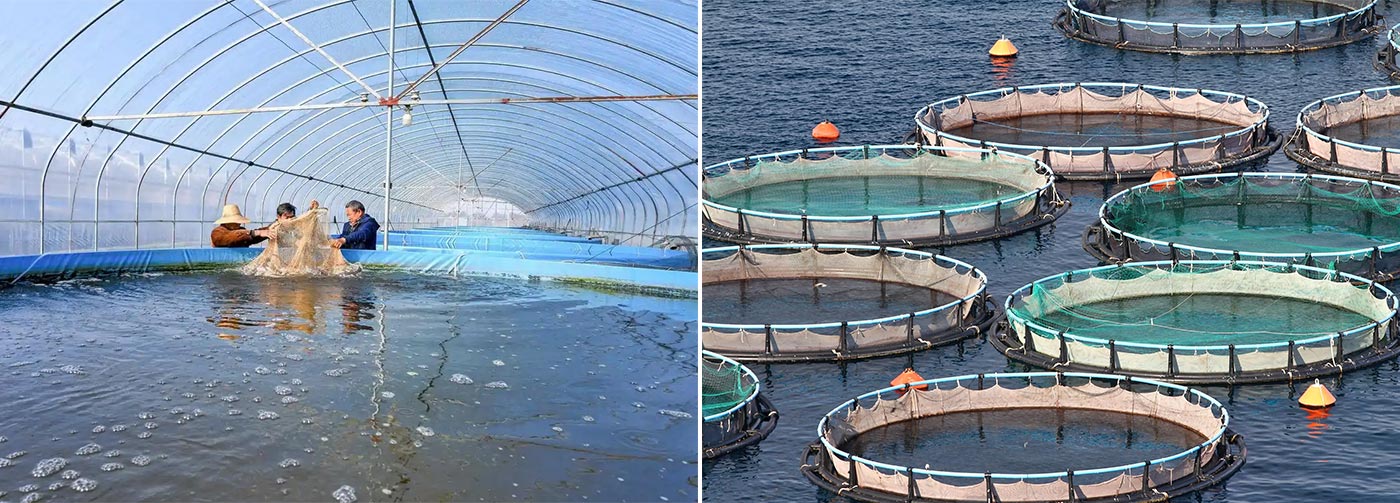
·Recirculating Aquaculture Systems (RAS): Used as a pre-treatment device, it removes over 90% of suspended solids to protect subsequent biological filters and membrane modules.
·Industrial Aquaculture:
High-Density Fish Tanks: Rapidly separates fish feces and residual feed to reduce ammonia nitrogen production.
Fry Hatcheries: Provides precision filtration to prevent the spread of diseases and pests, improving survival rates.
·Pond Aquaculture Renovation:
Replaces traditional sedimentation tanks to reduce manual maintenance workload.
Enhances water circulation efficiency, enabling sustainable "zero water exchange" aquaculture.
Hot Tags: