 English
 日本
日本 한국인
한국인 Français
 Deutsch
 español
 Italiano
 Portugal
 Việt Nam
 türkiye
 عرب
عرب Русский
 čeština
 แบบไทย
 Eesti
Eesti Gaeilge
 Hmoob
Hmoob íslenskur
 Cymraeg
 български
 اردو
اردو Polski
 Hrvatski
 українська
 bosanski
 فارسی
فارسی lietuvių
 latviski
 עִברִית
 Română
 Ελληνικά
 dansk
dansk Magyar
 norsk
norsk Suomalainen
 Nederlands
 svenska
 slovenský
 Slovenščina
 हिंदी
हिंदी Indonesia
 Melayu
 Malti
Malti Kreyòl ayisyen
 català
 বাংলা
বাংলা Српски
 o'zbek
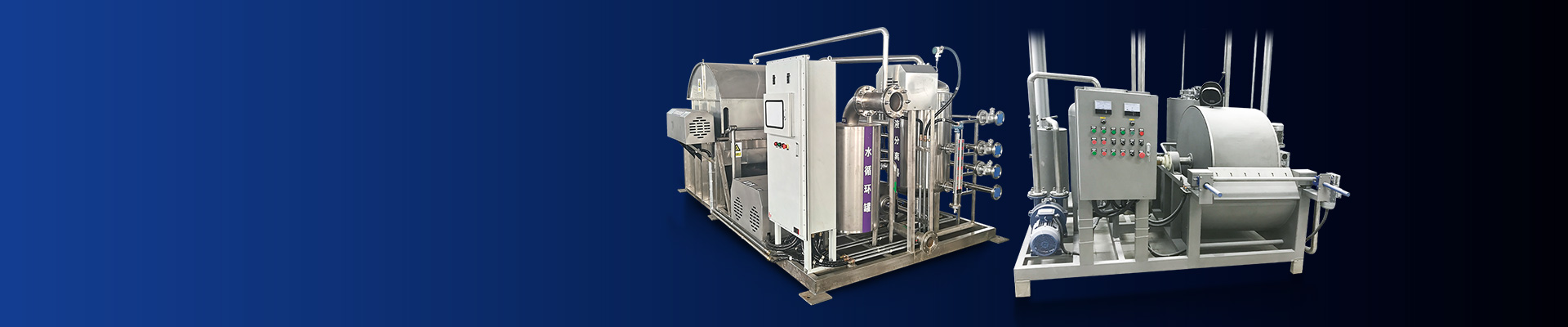

Understand the hydrochloric acid filter machine
Hydrochloric acid is a common strong acid in industrial and scientific research fields. Its extremely strong corrosivity dictates that dedicated and compatible equipment must be used for its storage, transportation, and filtration—this is also the core reason why devices such as hydrochloric acid filters require specialized design.
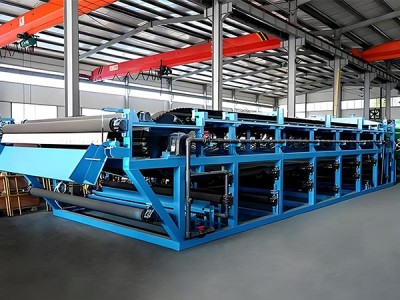
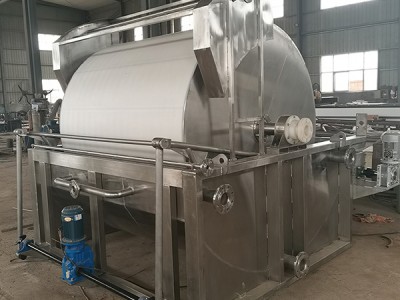
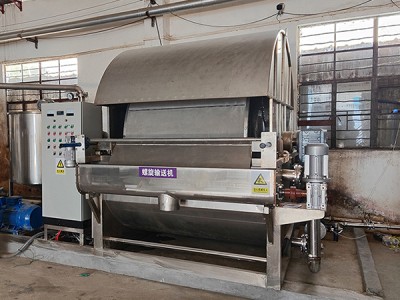
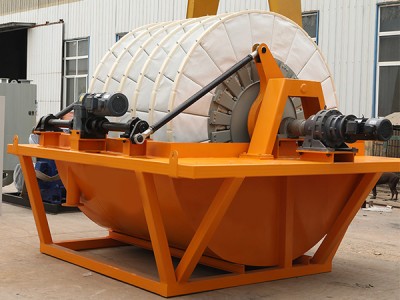
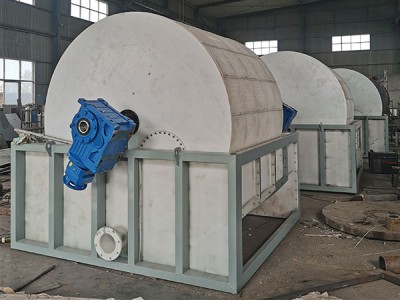
A hydrochloric acid filter is an industrial device specifically engineered for solid-liquid separation under hydrochloric acid-containing operating conditions. It primarily adopts corrosion-resistant materials and special structures to address the erosion of equipment caused by the strong corrosivity of hydrochloric acid. Widely utilized across sectors including chemical engineering, metallurgy, and environmental protection, it is used for processing materials in hydrochloric acid systems.
Working Principle of Hydrochloric Acid Filter
The overall operation follows the core logic of "vacuum adsorption – solid-liquid separation – post-material treatment". The workflow adapted to hydrochloric acid service conditions is as follows:
Slurry Distribution
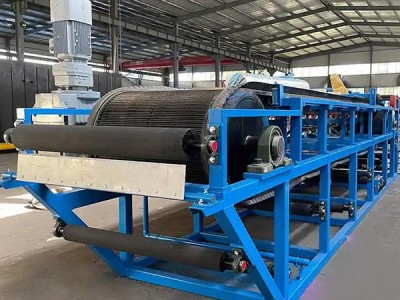
Hydrochloric acid slurry is evenly spread onto the filter belt via a distributor, and the belt advances at a constant preset speed.
Vacuum Filtration
A vacuum chamber beneath the belt continuously provides negative pressure. Driven by this vacuum suction, the hydrochloric acid filtrate passes through the filter medium and enters the vacuum chamber, while solid particles are retained to form a filter cake. The filtrate is discharged through corrosion-resistant pipes for recycling or treatment to meet discharge standards.
Filter Cake Washing
If it is necessary to remove residual hydrochloric acid or soluble impurities adhering to the filter cake surface, a corrosion-resistant spray system sprays washing liquid. The washing liquid also penetrates the filter cake and belt under vacuum action to complete cake purification.
Filter Cake Dewatering Enhancement
After washing, the filter cake moves with the belt into an enhanced dewatering zone. Sustained negative pressure further removes moisture, increasing the cake dryness and reducing subsequent processing costs.
Filter Cake Discharge
When the belt reaches the end, the filter cake detaches as the discharge roller changes direction, completing the solid-liquid separation cycle. The belt then enters the next operation cycle after cleaning.
Core Characteristics of Vacuum Belt Filters for Hydrochloric Acid Service
Corrosion Resistance Compatibility
Key wetted components are constructed from corrosion-resistant materials, capable of withstanding hydrochloric acid corrosion across varying concentrations and temperatures. This prevents equipment leakage, damage, and material contamination caused by corrosion.
Continuous and High-Efficiency Separation
Leveraging the continuous operation advantage of vacuum belt filters, they deliver higher throughput and greater automation compared to batch filtration equipment. They seamlessly align with the pace of large-scale industrial production while reducing labor costs.
Flexible Process Adaptability
These filters can integrate functions such as washing and drying. For scenarios in hydrochloric acid systems requiring solid material recovery or hydrochloric acid filtrate purification, they enable integrated "filtration-washing-dewatering" processes, improving material recovery rates and filtrate purity.
Stable Vacuum Sealing
Equipped with specialized corrosion-resistant sealing structures, they maintain excellent sealing performance under negative pressure conditions. This minimizes vacuum loss, prevents hydrochloric acid vapor leakage, and ensures the safety of the production environment.
Material Selection
The material selection for hydrochloric acid filters is particularly critical.
Material | Hydrochloric acid resistance performance | Applicable scenarios | feature |
PTFE (polytetrafluoroethylene) | Suitable for full concentration | Concentrated hydrochloric acid, high-purity hydrochloric acid | Extremely high chemical stability, temperature resistance of 260 ℃, and almost no reaction with any chemical substances |
PVC | ≤ 36% hydrochloric acid | General industrial hydrochloric acid | Low cost, good processability, but long-term exposure to concentrated hydrochloric acid will degrade |
PP (polypropylene) | Dilute hydrochloric acid | Medium concentration hydrochloric acid | Acid and alkali resistant, always cost-effective, not resistant to strong oxidants, with a temperature resistance of 93 ℃ |
316L stainless steel | ≤ 5% dilute hydrochloric acid | Dilute hydrochloric acid and chloride ion environment | High mechanical strength, easy to clean, and high cost |
Material selection must be matched to the concentration and temperature of hydrochloric acid to prevent equipment failure caused by corrosion.
Application fields:
Industry | Application scenarios | Advantage |
Chemical production | Synthesis, purification, and regeneration of hydrochloric acid | Improve purity and reduce impurities that affect subsequent reactions |
Electronics industry | Preparation of high-purity hydrochloric acid | The filtrate has an extremely low solid content, meeting the requirements of precision processes |
Pharmaceutical industry | Filtration of Hydrochloric Acid Catalytic Reaction Solution in Drug Synthesis | Avoid metal ion contamination and ensure drug quality |
Surface treatment | Waste acid treatment in electroplating and etching processes | Recycling hydrochloric acid to reduce environmental pollution costs |
Rare earth processing | Purification of hydrochloric acid leachate and production of zirconium oxychloride | Efficient solid-liquid separation to improve product purity |
The strong corrosivity, high volatility, and intense acidity of hydrochloric acid are its most core characteristics. These properties dictate that ordinary containers and general-purpose filters cannot be used with it. The core value of specialized containers and hydrochloric acid filters lies in their ability to enable the safe storage, transportation, and filtration of hydrochloric acid through compatible corrosion-resistant materials and structural designs. This not only mitigates the safety risks of equipment corrosion and leakage but also preserves the purity of hydrochloric acid, meeting the requirements of industrial production for process stability and product quality. In practical applications, precise matching of container and filter materials to hydrochloric acid concentration, temperature, and operational scenarios is essential—this is the key to ensuring the long-term stable operation of the equipment.
Hot Tags: